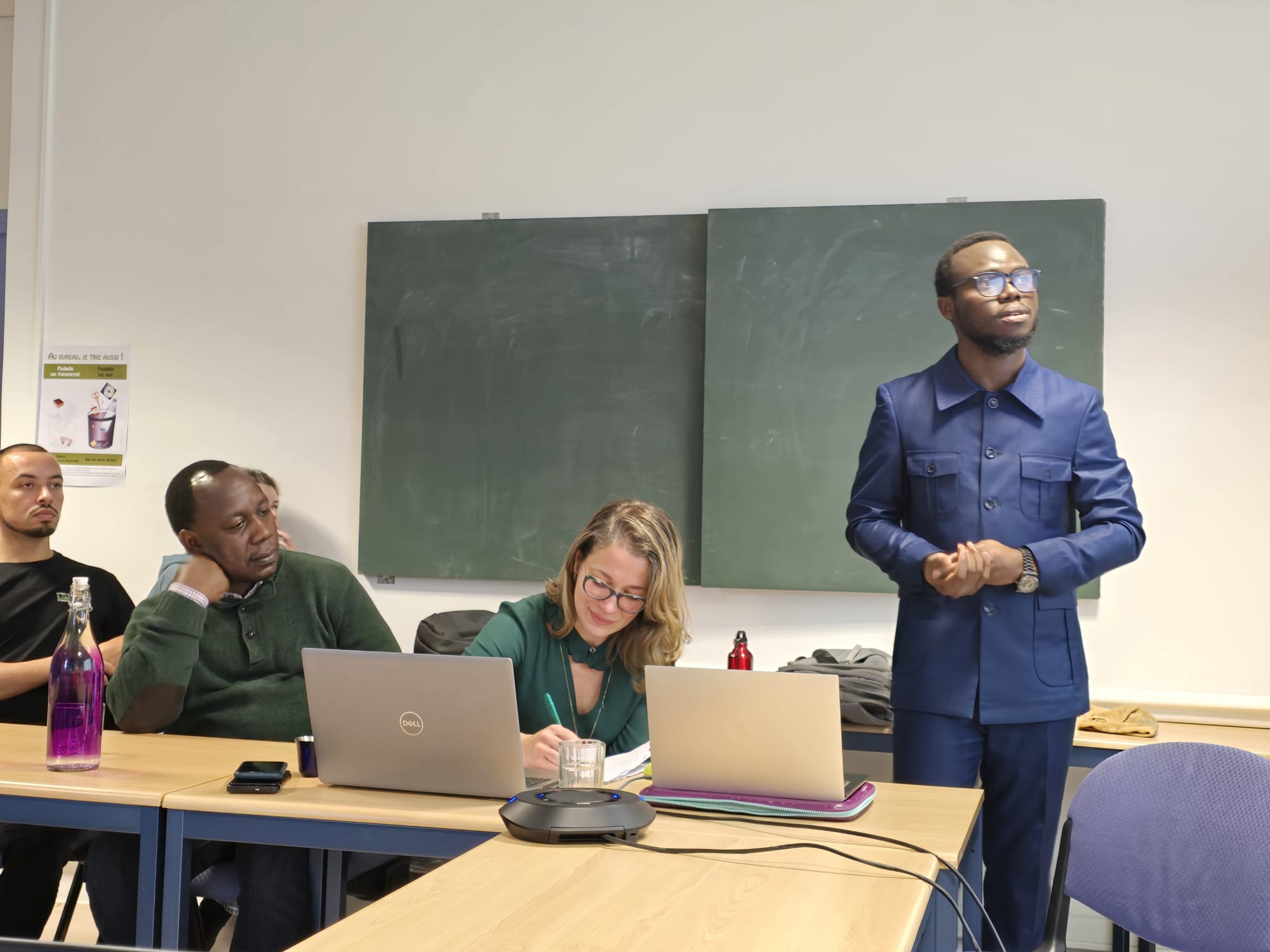
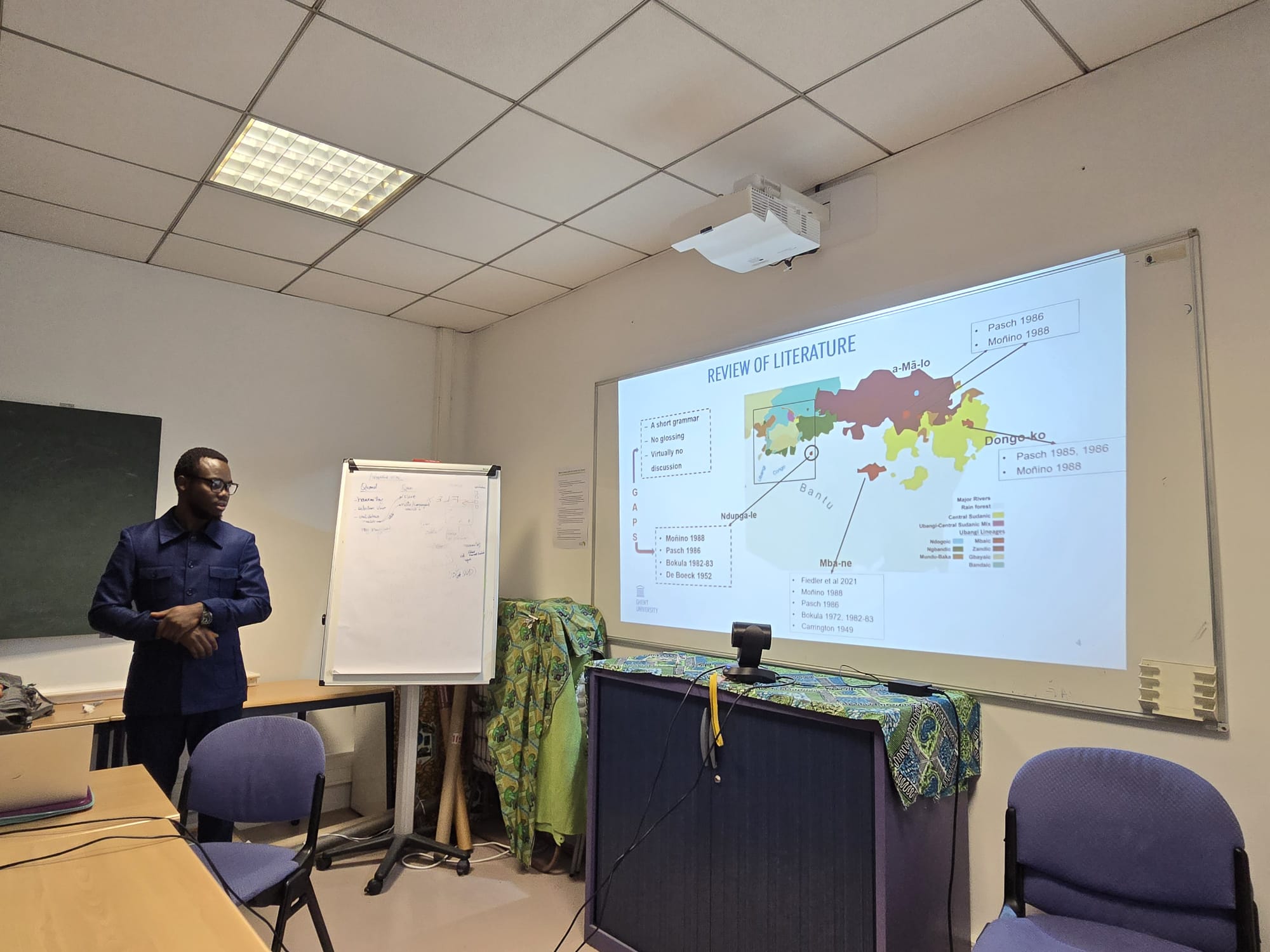
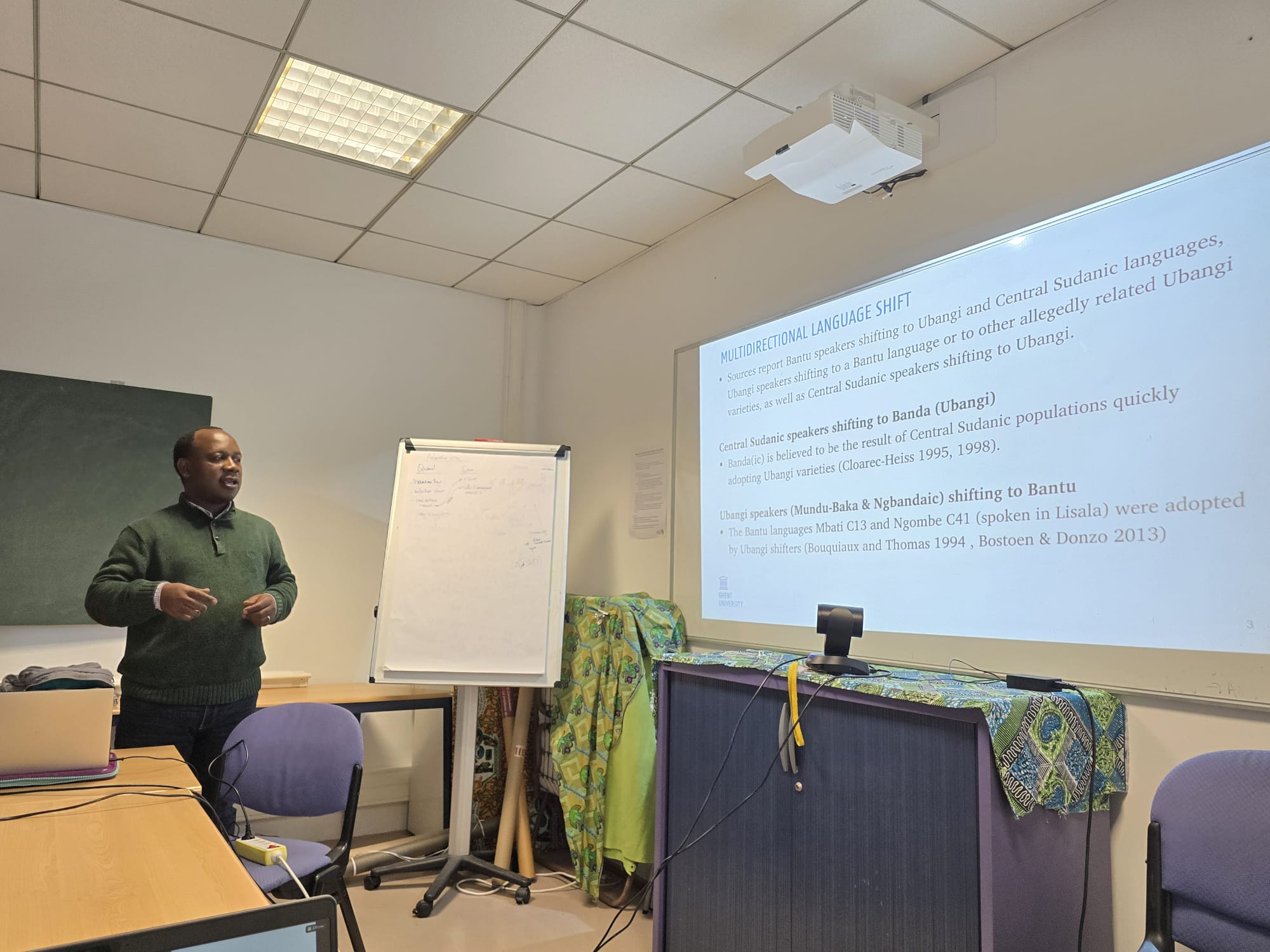
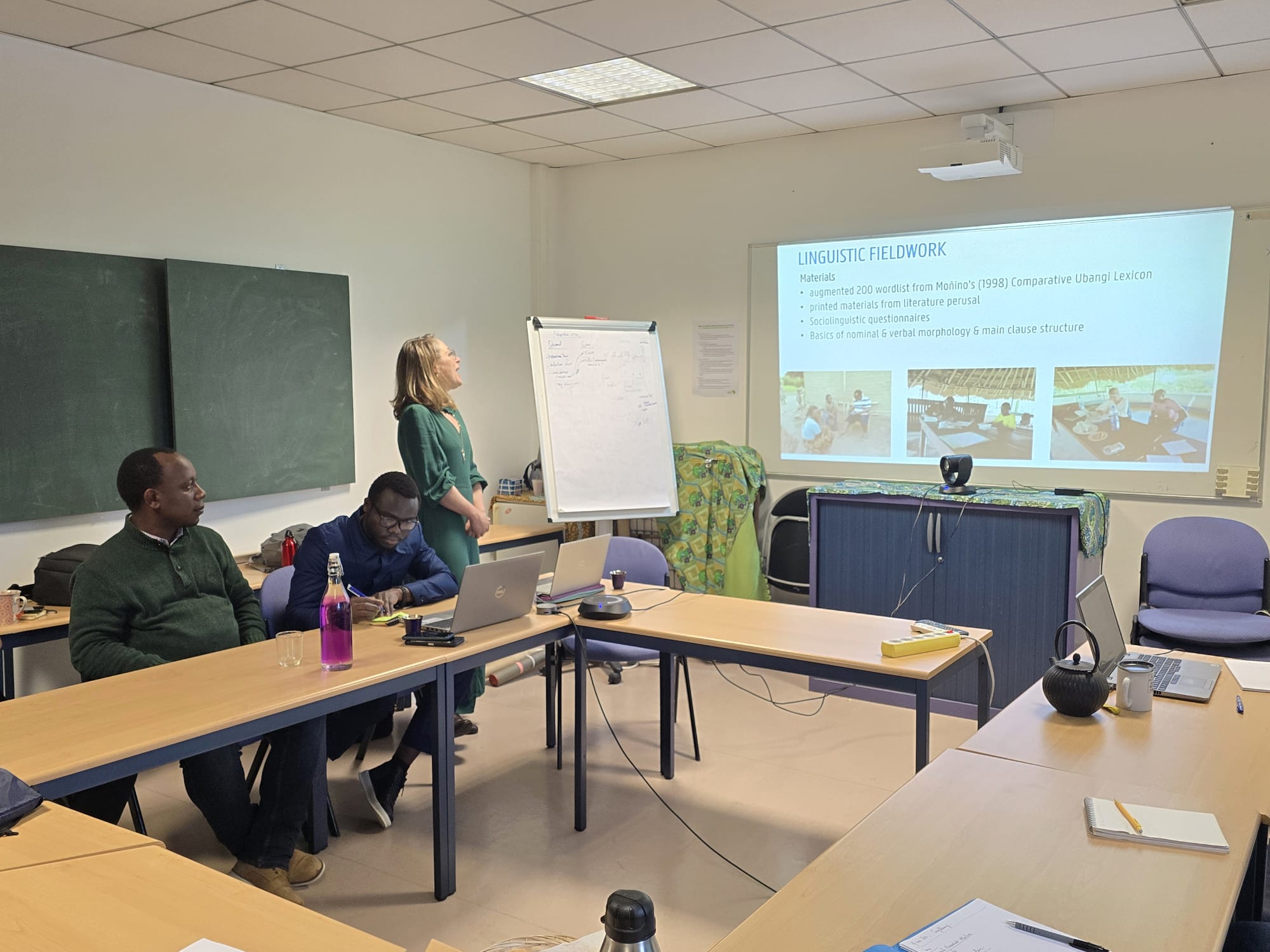
On November 27 2024, linguistics doctoral students Chrisnah Renaudot Mfouhou and Paulin Baraka Bose presented preliminary results of their respective fieldwork missions of 2024 at the weekly seminars of LLACAN (Langage, Langues, et Cultures d’Afrique (UMR 8135 CNRS – INALCO – EPHE). For more information see: https://llacan.cnrs.fr/blog/?p=2887
The CongUbangi team was generously given the opportunity to peruse the Centre de Documentation André-Georges Haudricourt library at LLACAN. We were able to find many “hidden” linguistic sources on Bantu, Ubangi and Central Sudanic languages spoken in the Congo-Ubangi watershed area.
On August 29th Peter Coutros (UGent), Igor Matonda (UNIKIN), Henri Zana (UGent/Université de Bangui), Lucien Pierre Nguerede (UGent/Université de Bangui) and Sara Pacchiarotti (UGent) presented their research on “Central African archaeology of the northern Bantu borderlands: Initial Results of the CongUbangi research project” at the annual European Association of Archaeologists conference in Rome. The presentation was in The Archaeology of Ancient Borderscapes: Multiple Approaches, New Paradigms session and focused on the results from the team’s recent archaeological and ethnoarchaeological fieldwork in the Sud-Ubangi province of the DRC. The preliminary results revolved around:
Archaeology: The team identified 23 new sites and conducted excavations at six of these locations. These efforts have resulted in several new Early Iron Age and Late Iron Age material culture assemblages.
Ethnoarchaeology: The team conducted ethnographic studies of pottery production at two Ubangi-speaking communities near Gemena and Libenge, DRC. Interviews were conducted with four potters who provided descriptions and demonstrations of the pottery forming and decorating processes.
From July 6 to August 3, Prof. Jean Pierre Donzo carried out linguistic fieldwork within the framework of the CongUbangi project in areas surrounding Lisala and Bumba, two locations in the Mongala province of the DRC. He collected lexical and grammatical data on ten Bantu varieties, namely Budza-liye, Limpesa, Lingbele, Lipoto, Eliele, Elupi-Dando, Ebudza-Bondunga, Egbuta, Ebudza-yamolota, and Ndobo. Some of these are spoken by so-called gens d’eau, that is, linguistically heterogeneous small-scale groups of speakers whose main subsistence activities revolve around swamp forests in the Mongala region.
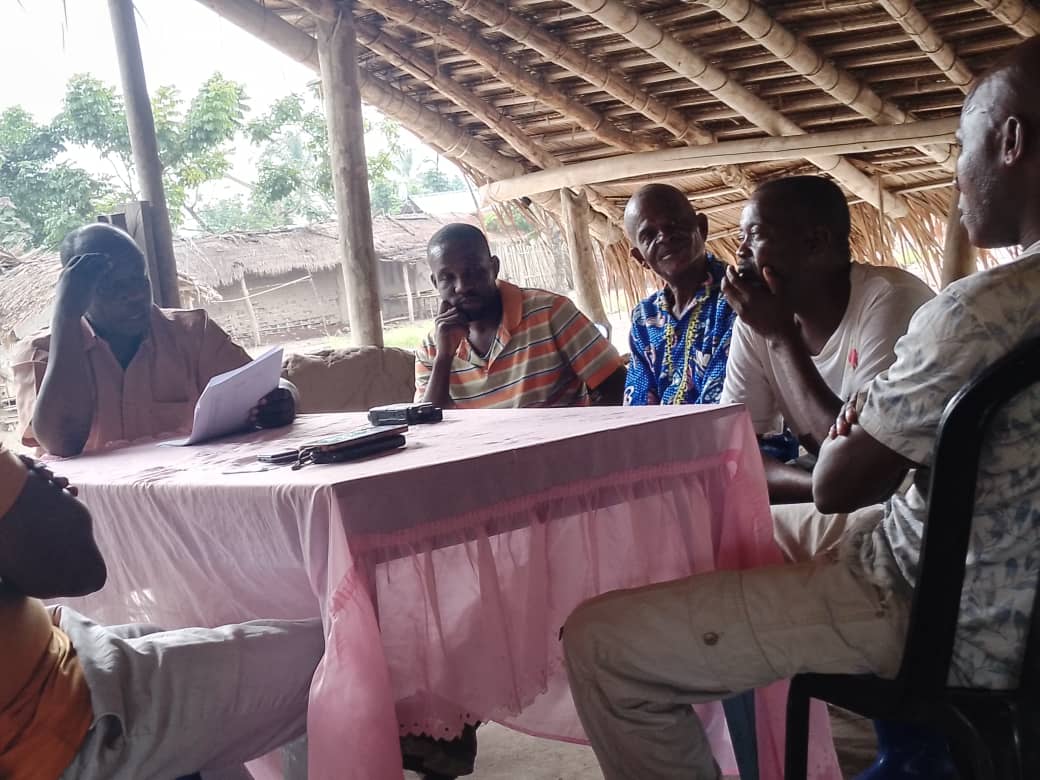
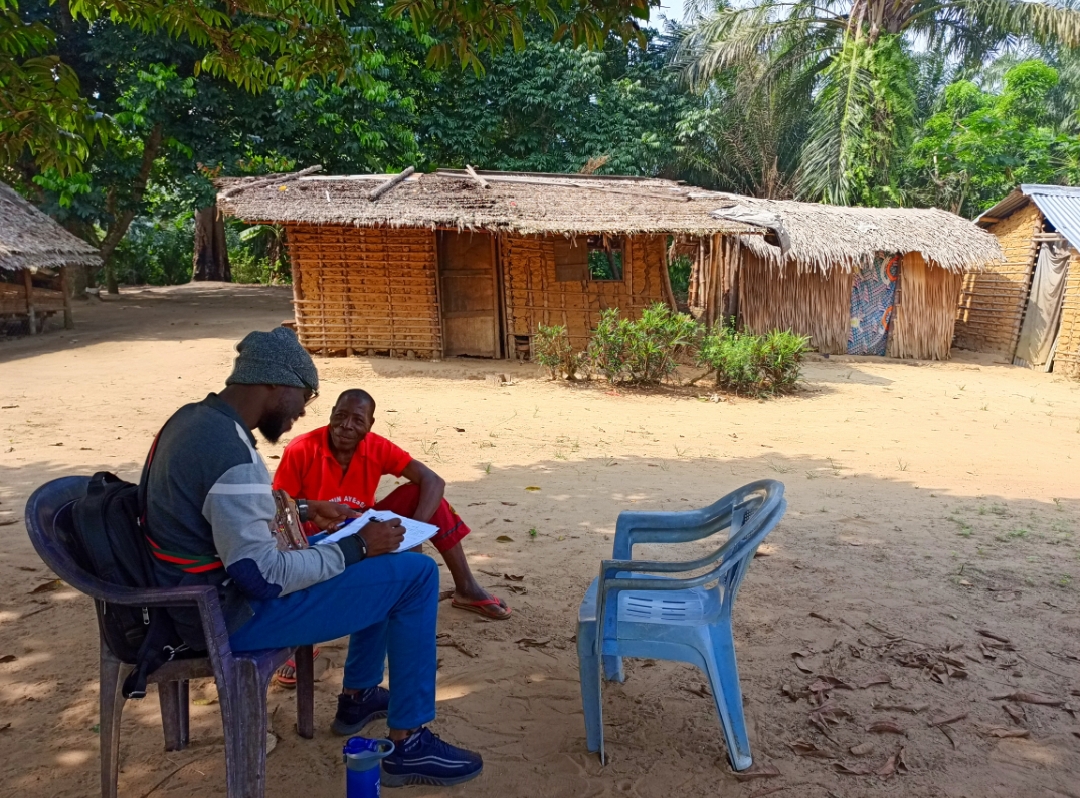
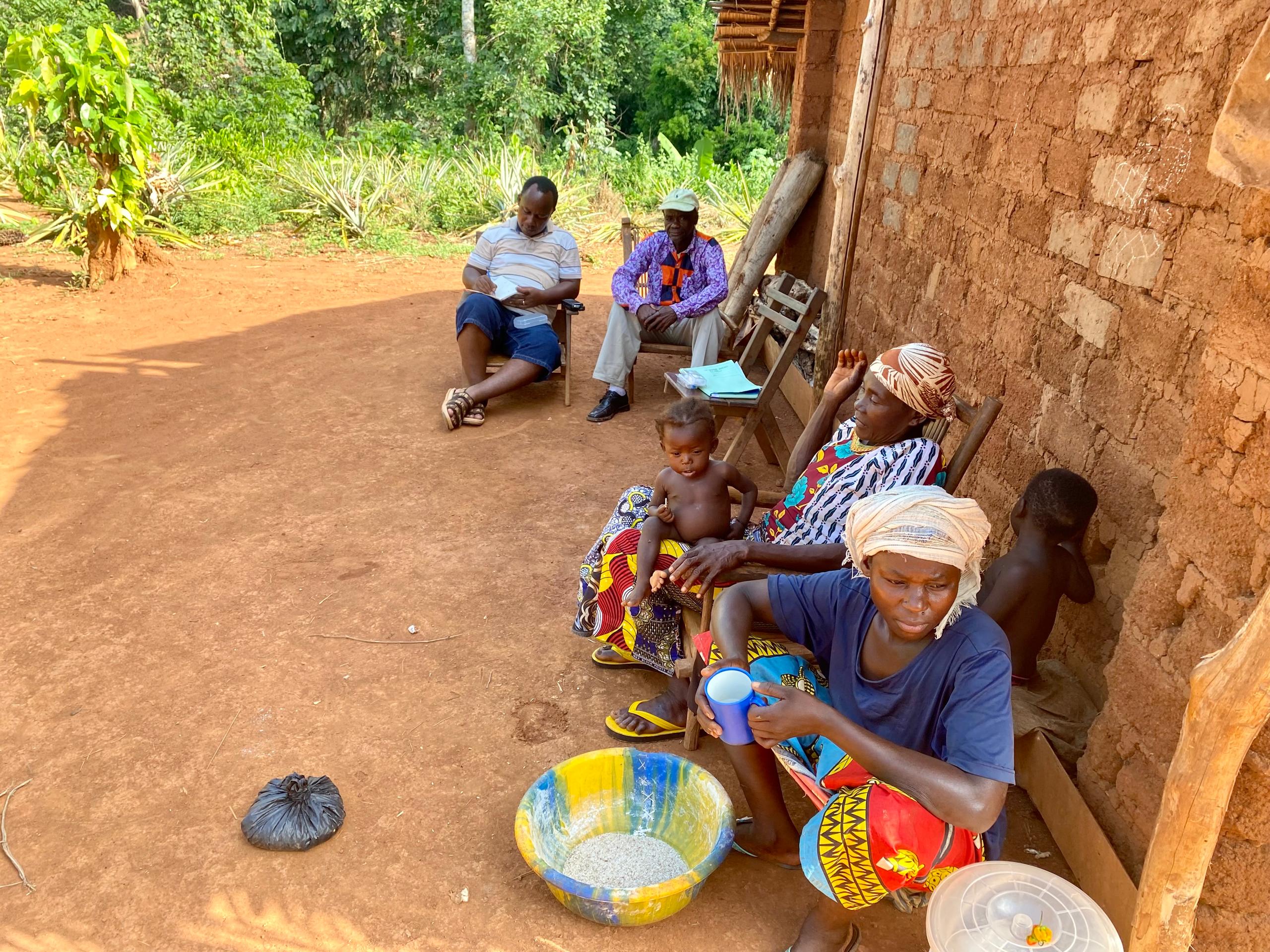
With Egbuta informants, fishermen of the Itimbiri river, 75 km from Bumba
With Ndobo and Eliele speakers in Ndobo, 40 km downstream of Bumba
From July 6 to August 18, Chrisnah Renaudot Mfouhou will be conducting linguistic fieldwork on Ndunga, an enclaved Mbaic (Ubangi) variety spoken in several villages around Lisala in the Mongala province of the DRC. In this first fieldwork mission, Chrisnah will focus on phonetics, phonology as well as features and behavior of the noun phrase. Genetic data on Ndunga speakers will also be collected.
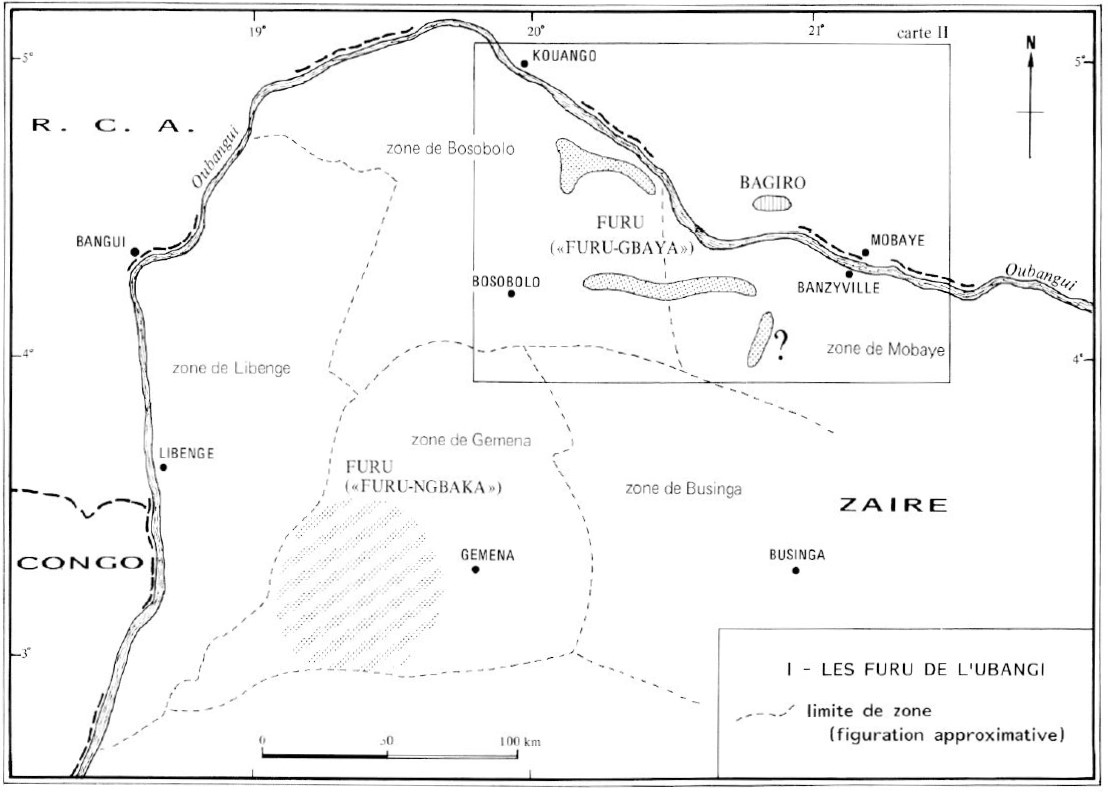
From May 6 to June 6 Paulin Baraka Bose will be conducting fieldwork on Furu, a putative Sara-Bongo-Bagirmi (SBB) language (Central Sudanic) spoken in several villages to the northeast of Bosobolo along the left bank of the Ubangi River, in the province of Nord-Ubangi in the DRC. Back in 1986, the estimated number of Fulu speakers was 12,000. Fulu is believed to be the same language as Bagiro, a SBB languages spoken on the right bank of the Ubangi River, in the Central African Republic. However, while Bagiro relies on a full-fledged grammar, data available on Fulu consist of a 10-page phonological sketch, 75-item wordlist and 9 sentences dating back to 1940-1950.
Besides Furu, Paulin is also collecting linguistic and genetic data on several minority Ubangi languages spoken around Bosobolo, namely: Langbashe [lna], Gbanziri [gbg], Ngbugbu [lnl], Buraka [bkg] and Yakpa [bjo], as well Gezon, allegedly a dialect of Pagabete (Bantu C401).
Geographic location of Fulu and Bagiro communities (taken from Boyeldieu 1990: 79)
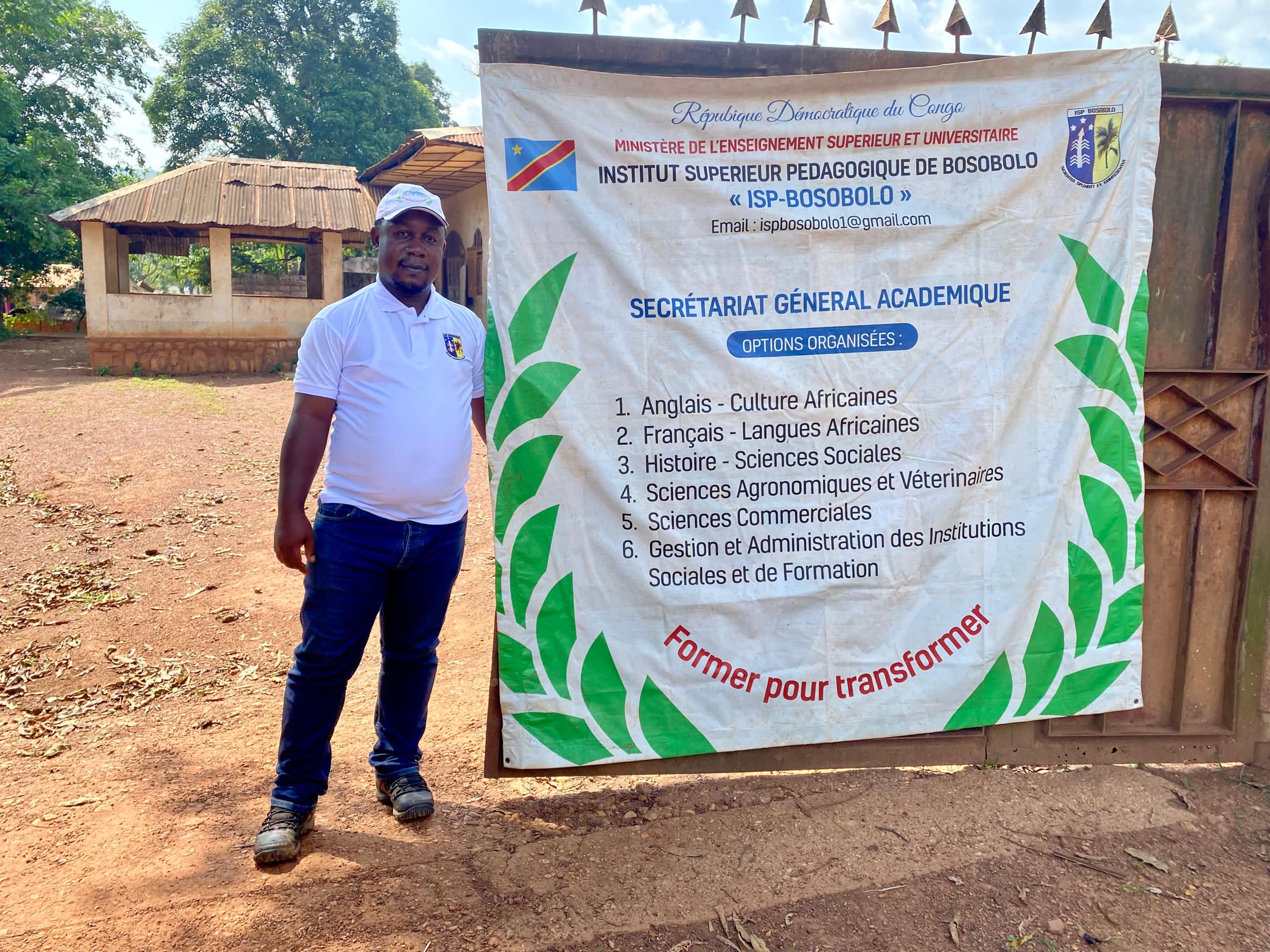
Paulin at ISP Bosobolo
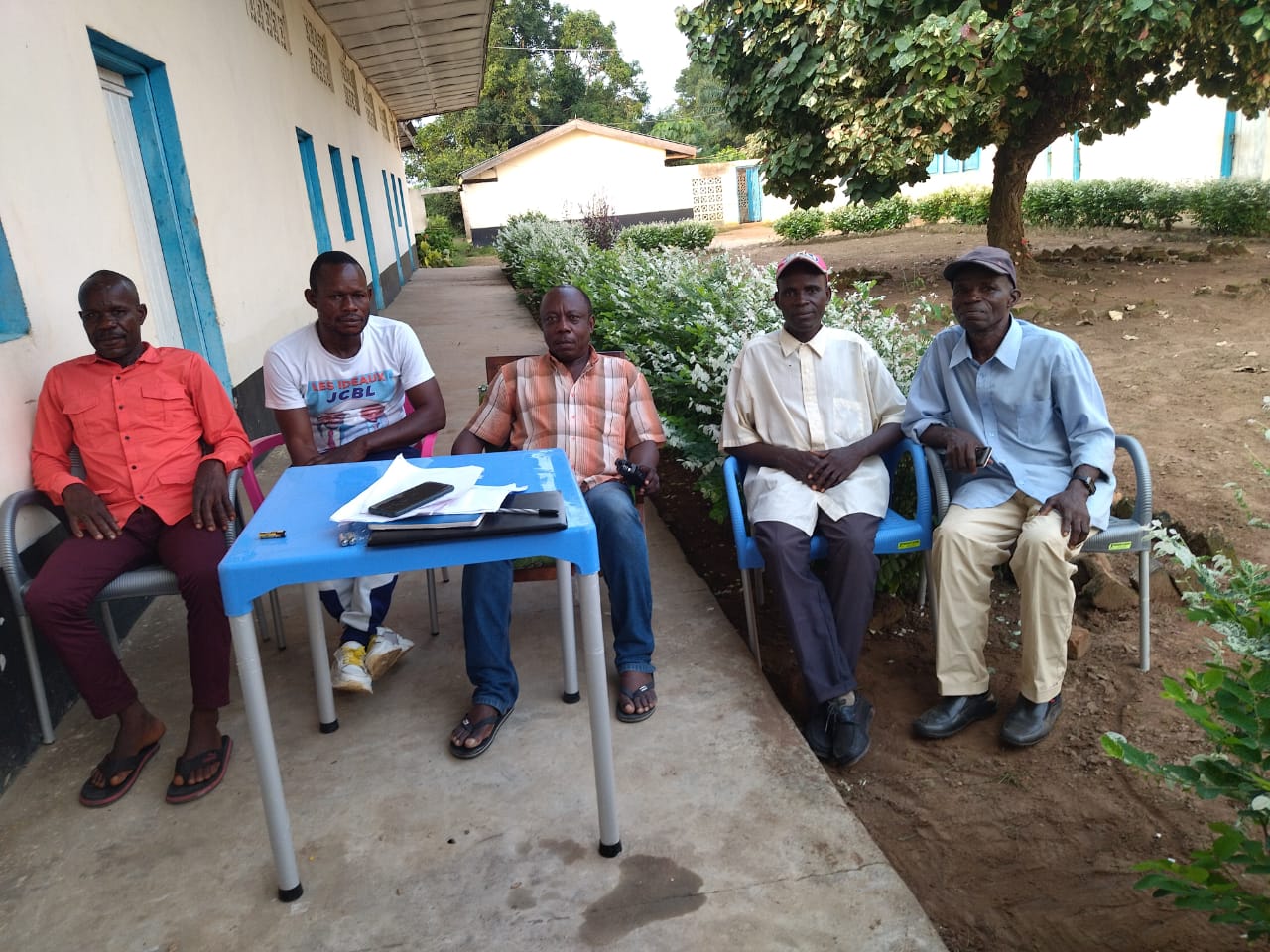
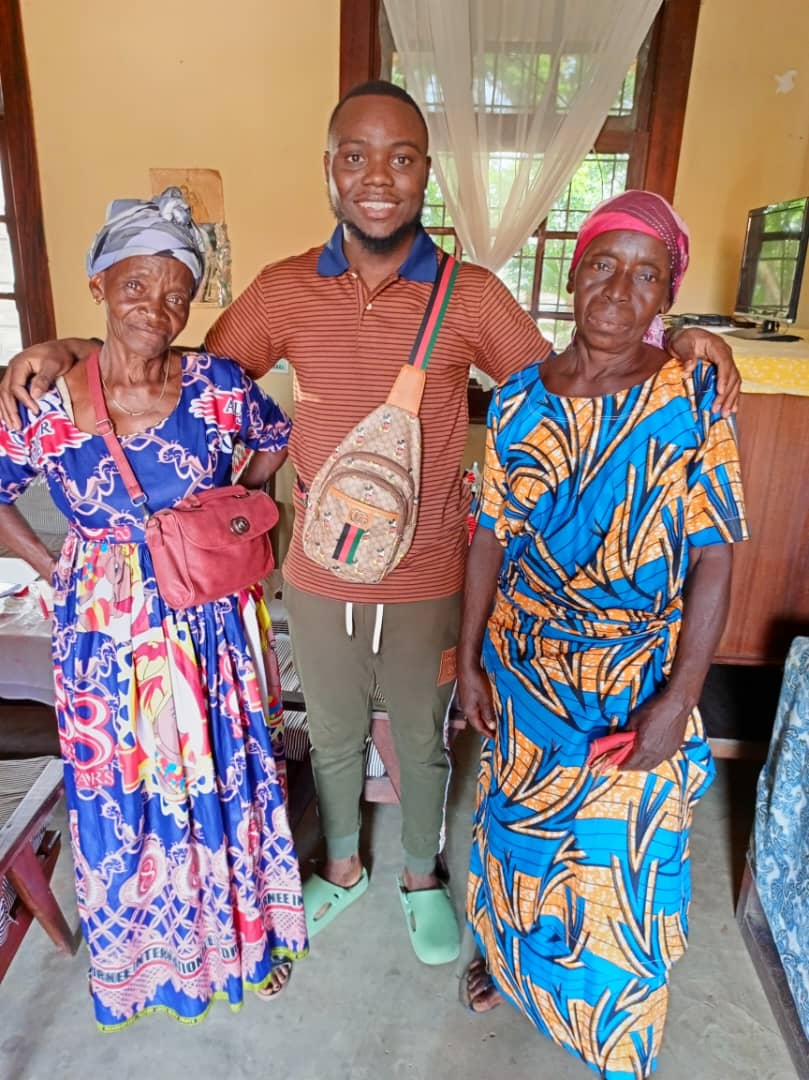
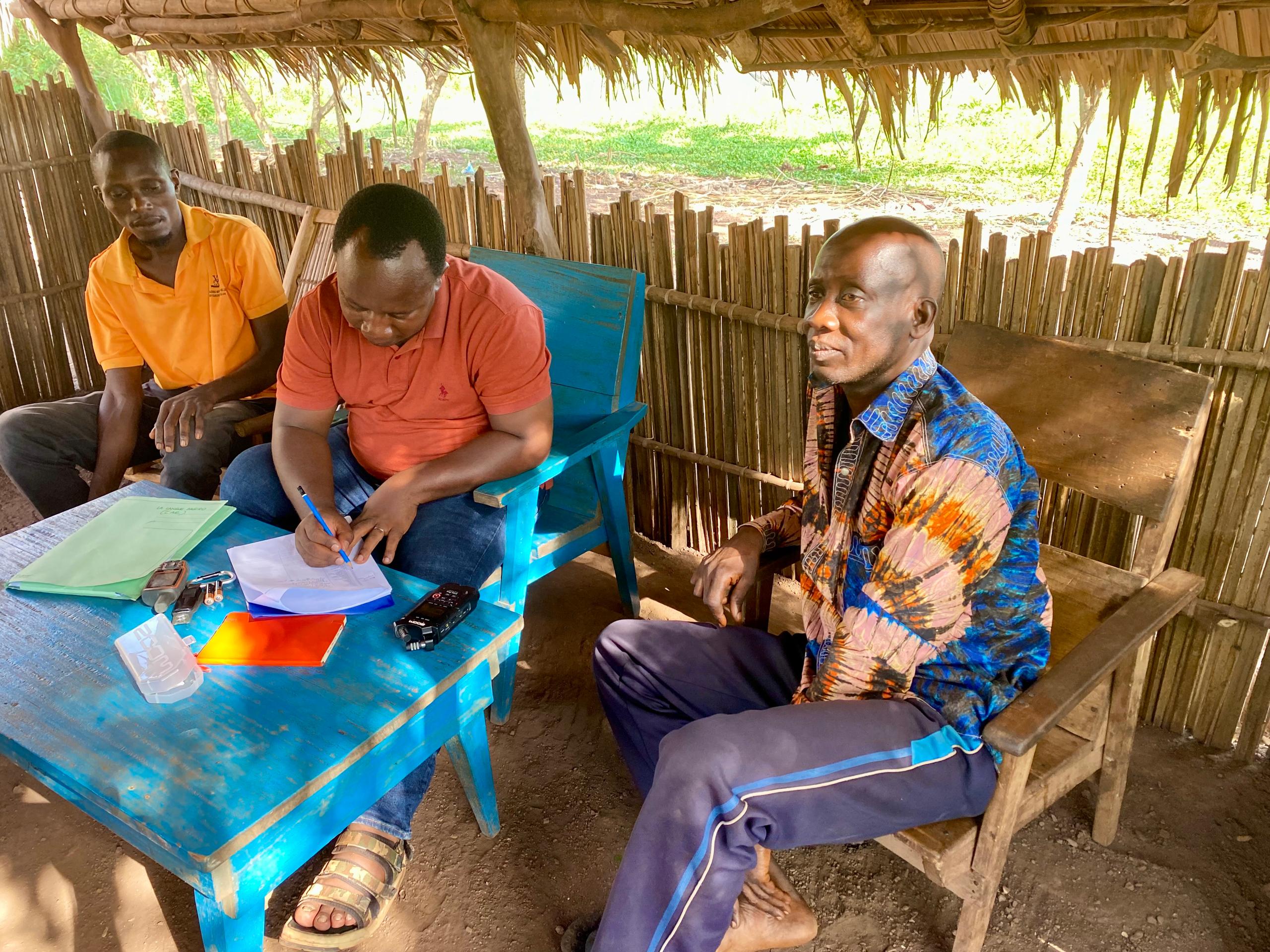
With Furu consultants at Gbagayambo
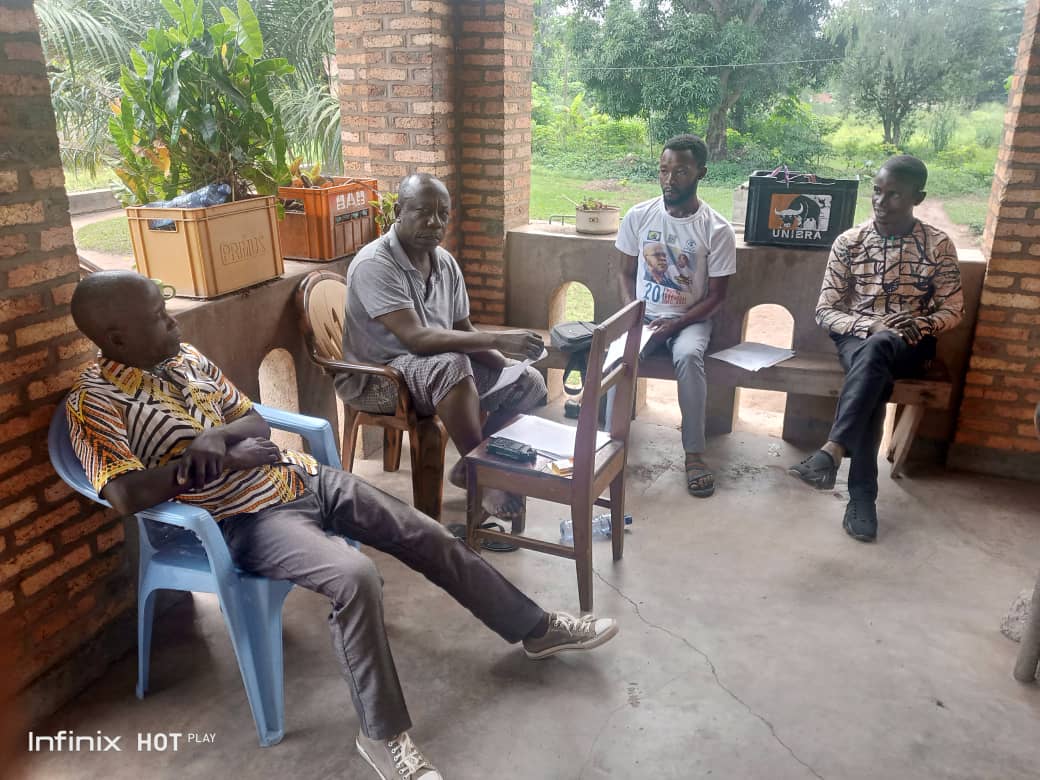
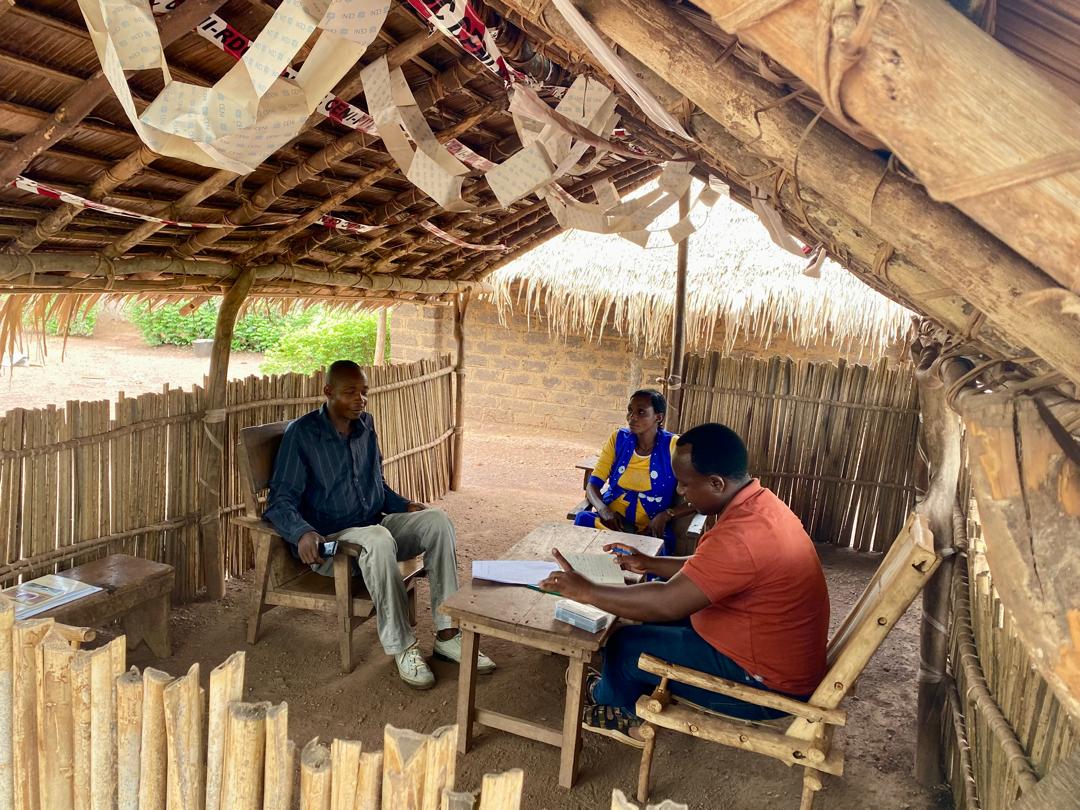
With Langbashe consultants at Sidi
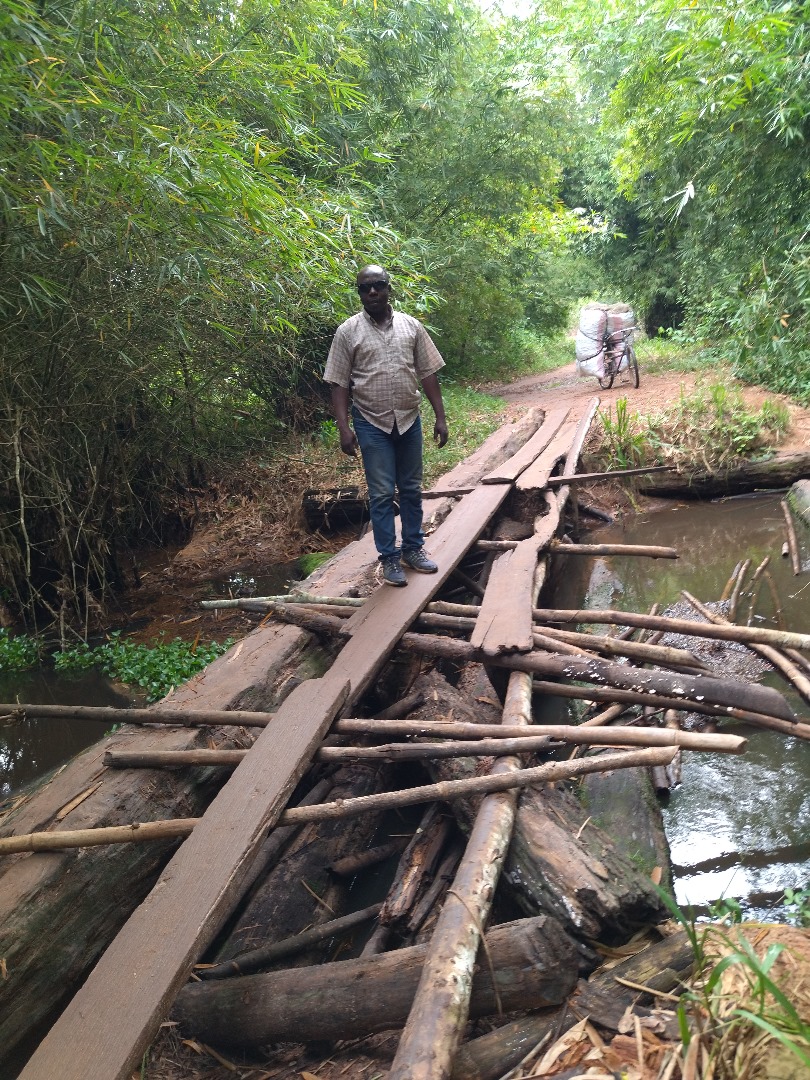
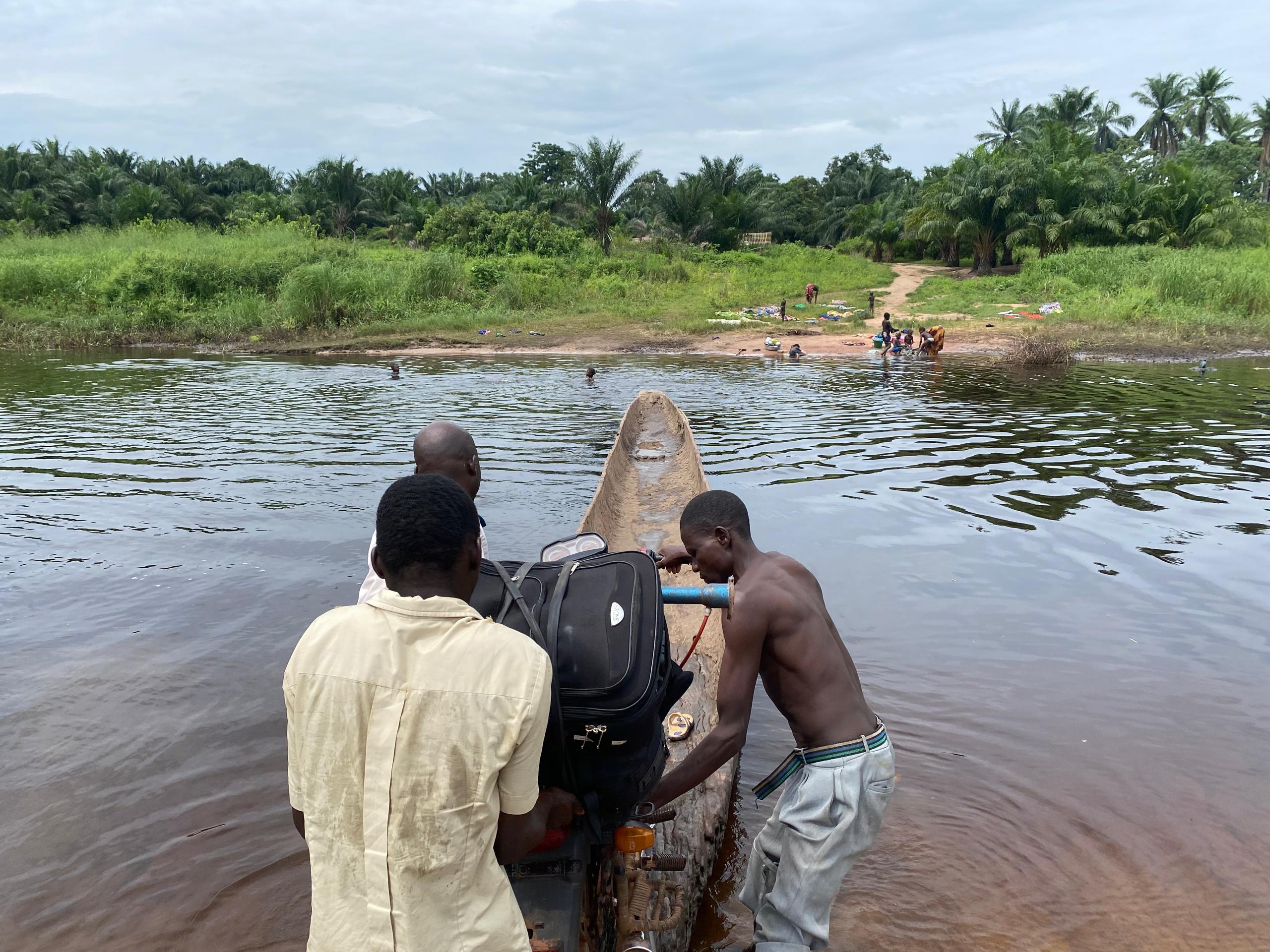
On the way to Furu villages around Buda
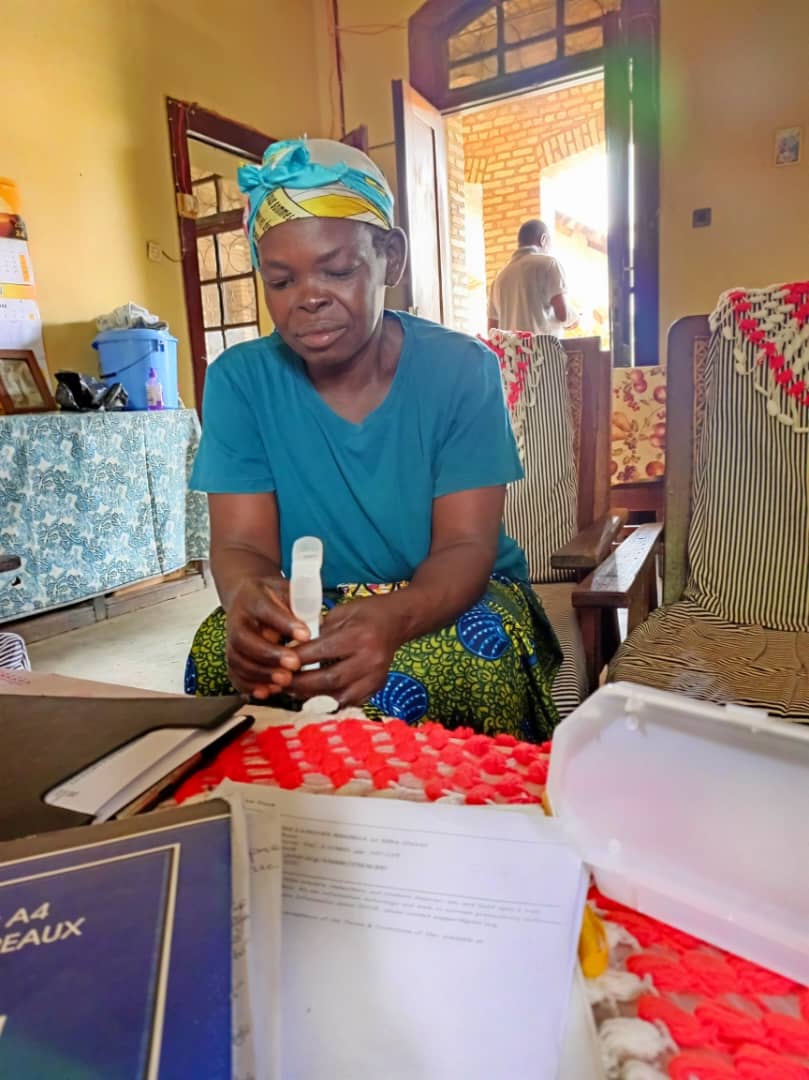
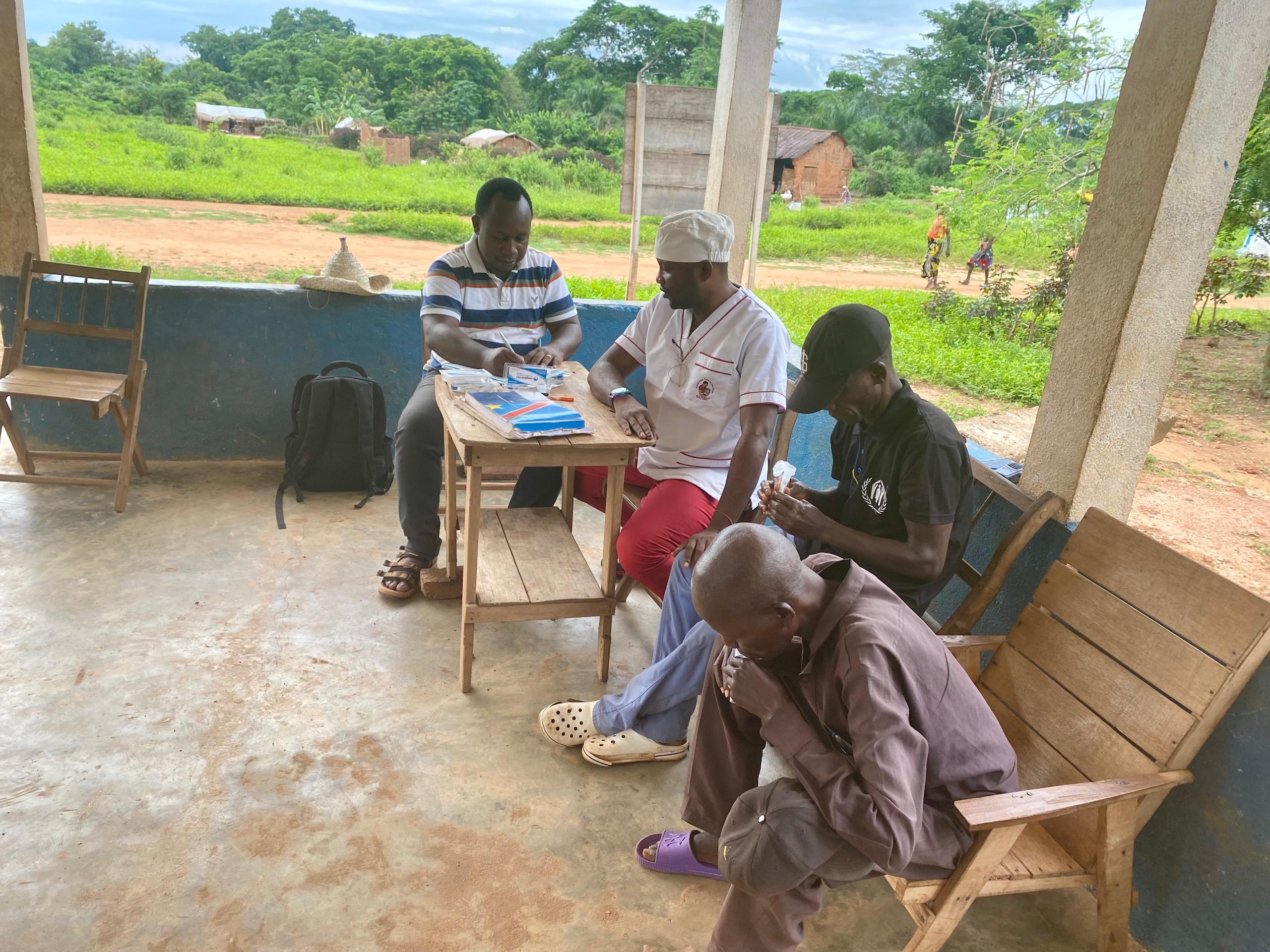
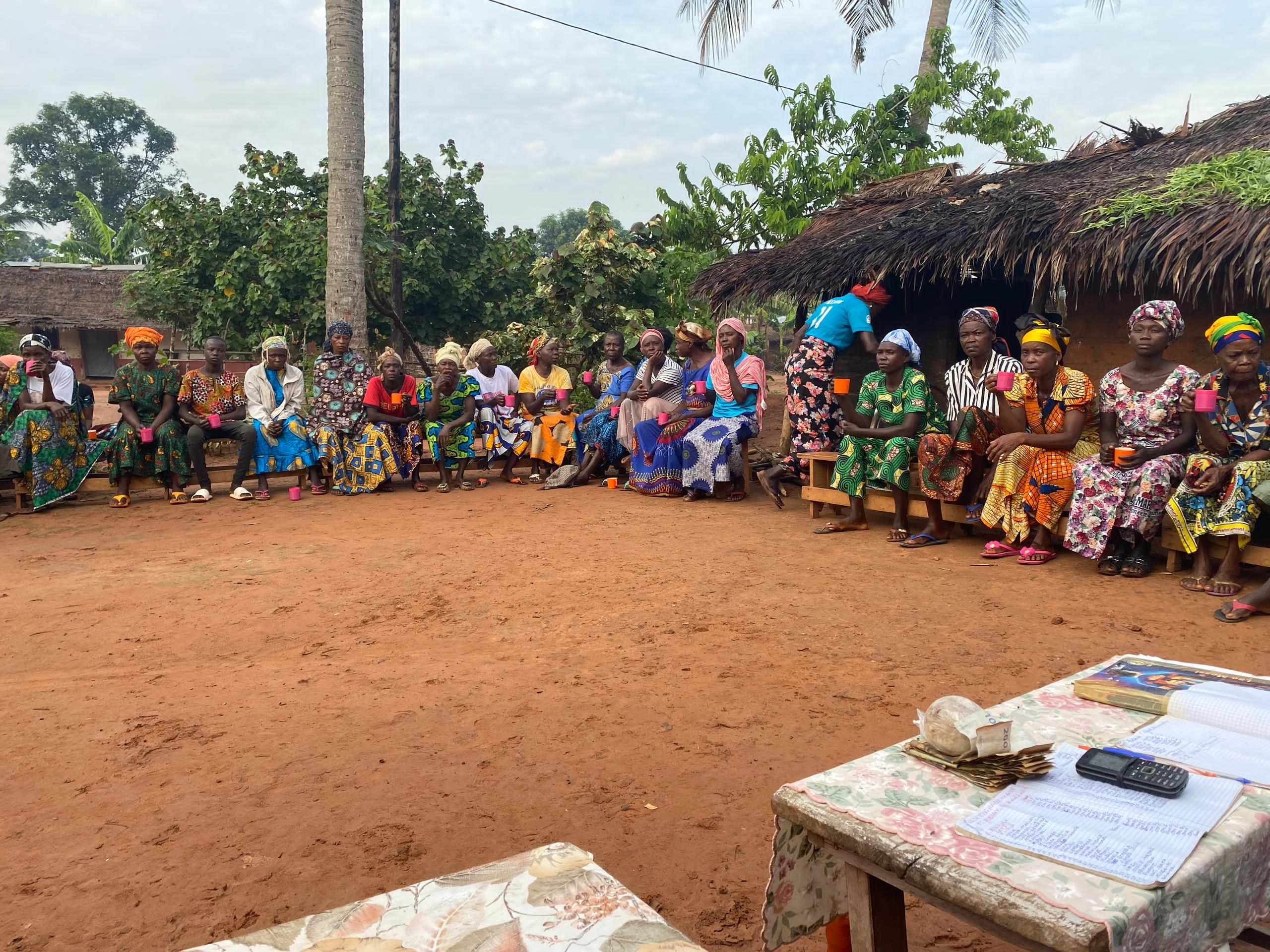
Collecting saliva samples from Langbashe speakers in Sidi
From April 17 to May 8, the CongUbangi team and associated researchers carried out a first joint fieldwork mission in Gemena and Libenge, in the province of Sud-Ubangi in the Democratic Republic of the Congo (DRC). The linguistic team consisted of Sara Pacchiarotti, Jean-Pierre Donzo Bunza, Paulin Baraka Bose, and Chrisnah Renaudot Mfouhou. The archaeological team consisted of Peter Coutros, Igor Matonda, Holy Ondel Ilo (Institut des Musées Nationaux du Congo), Lucien Pierre Nguerede and Henri Zana. The team collected new linguistic, archaeological, ethnographic and genetic data and worked in close collaboration with local partners.
The linguistic team collected new lexical and grammatical data on Kpala [kpl] (Ubangi, Mundu-Baka), South Ngbundu [nuu] (Bandaic), Yakpa (Bandaic, spoken in Central African Republic), Mondzombo [moj] (Mundu-Baka), Mbati [nbw] (Ngbandic), Gilima [gix] (Mundu-Baka), as well as Ngombe Monengbe (Bantu, C41) and Mbenga, the Bantu language spoken by foragers known as Bambenga living in the outskirts of Libenge.
The (ethno)archaeological team conducted surface surveys within the vicinity of the towns of Gemena and Libenge, identifying 30 new archaeological sites. Excavations were carried out at 11 locations which ranged between the Late Stone Age and the Historical period. In addition, the team conducted ethnographic research with potters from Ngbaka Minagende and Monzombo speaking communities.
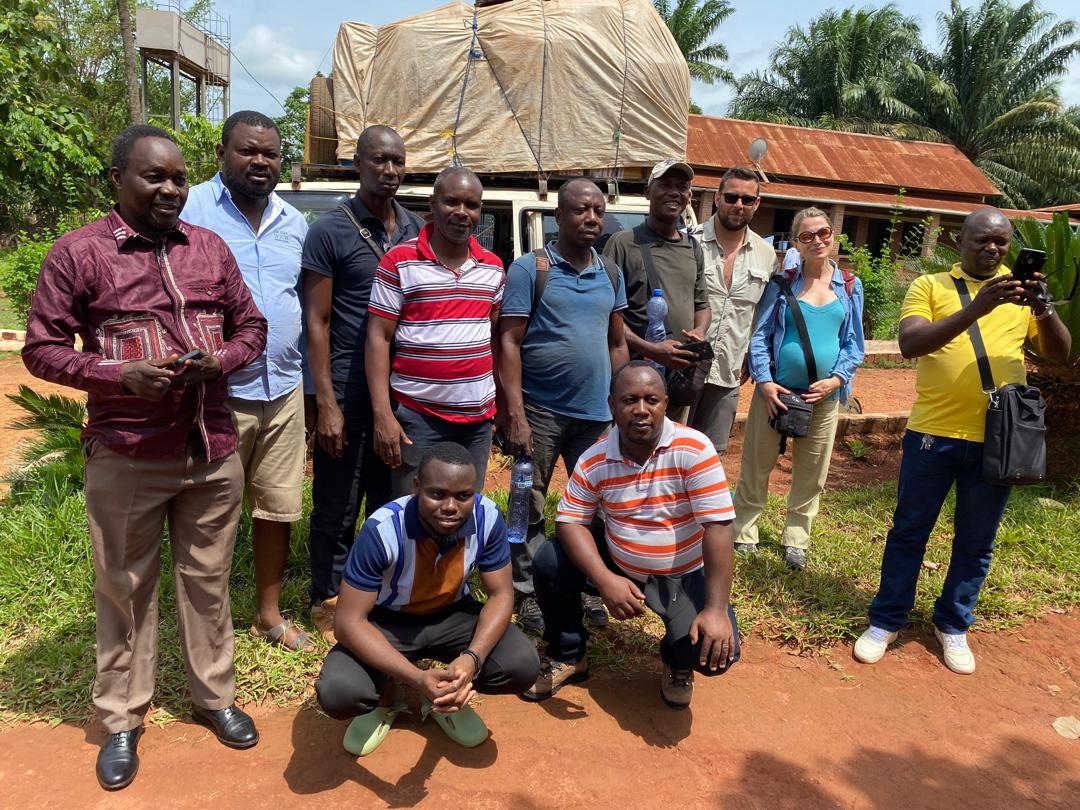
About to get on the bus from Gemena to Libenge
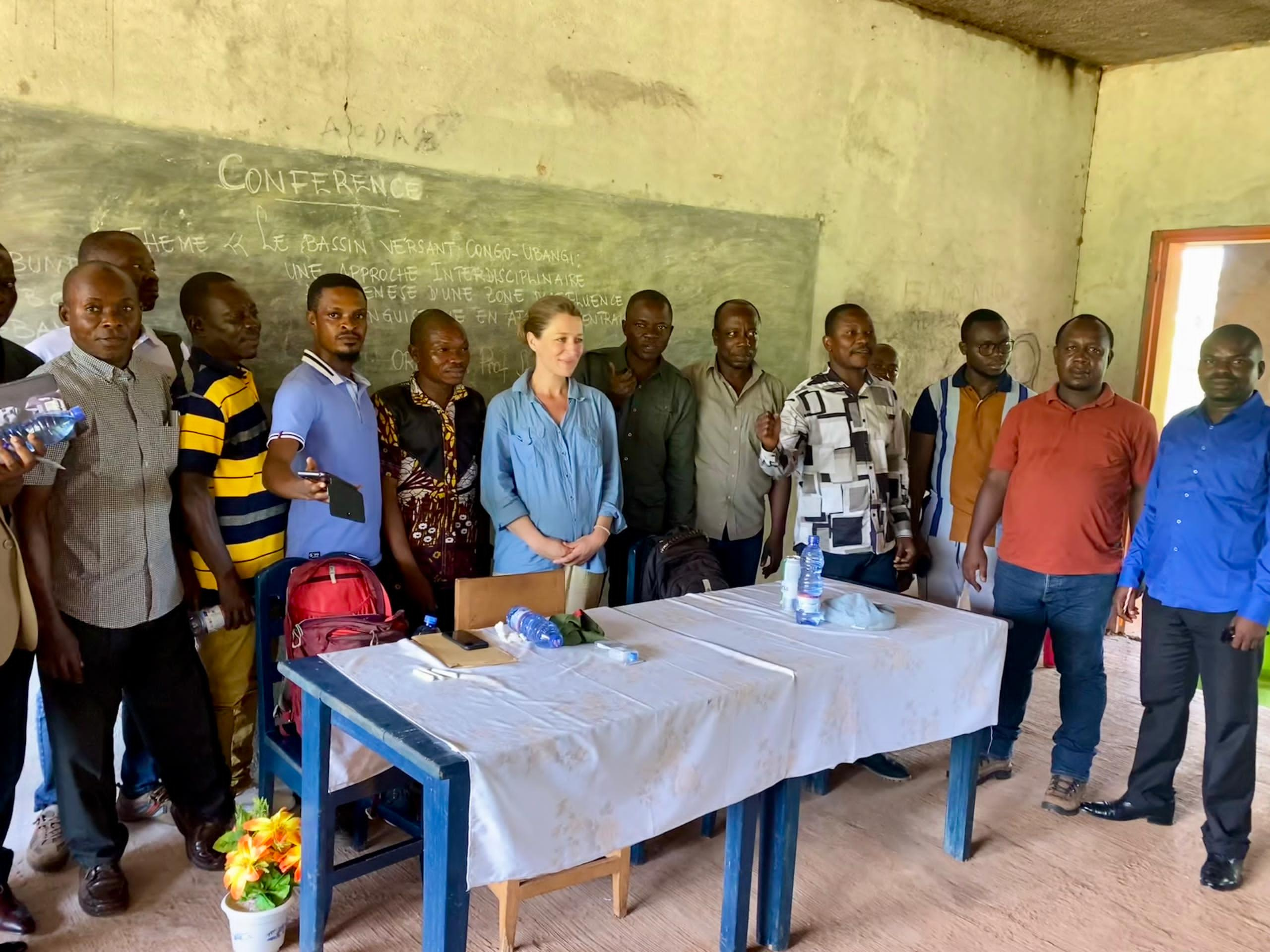
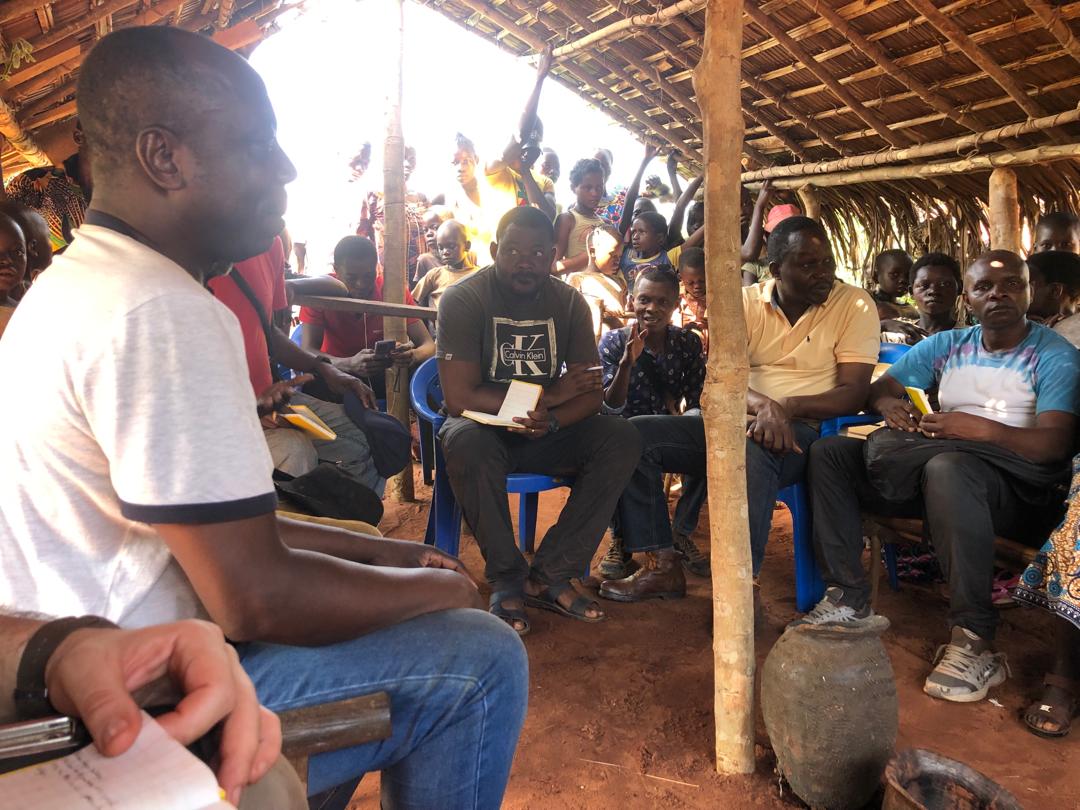
Presenting the CongUbangi project at the Institut Superieur Pédagogique (ISP) Libenge
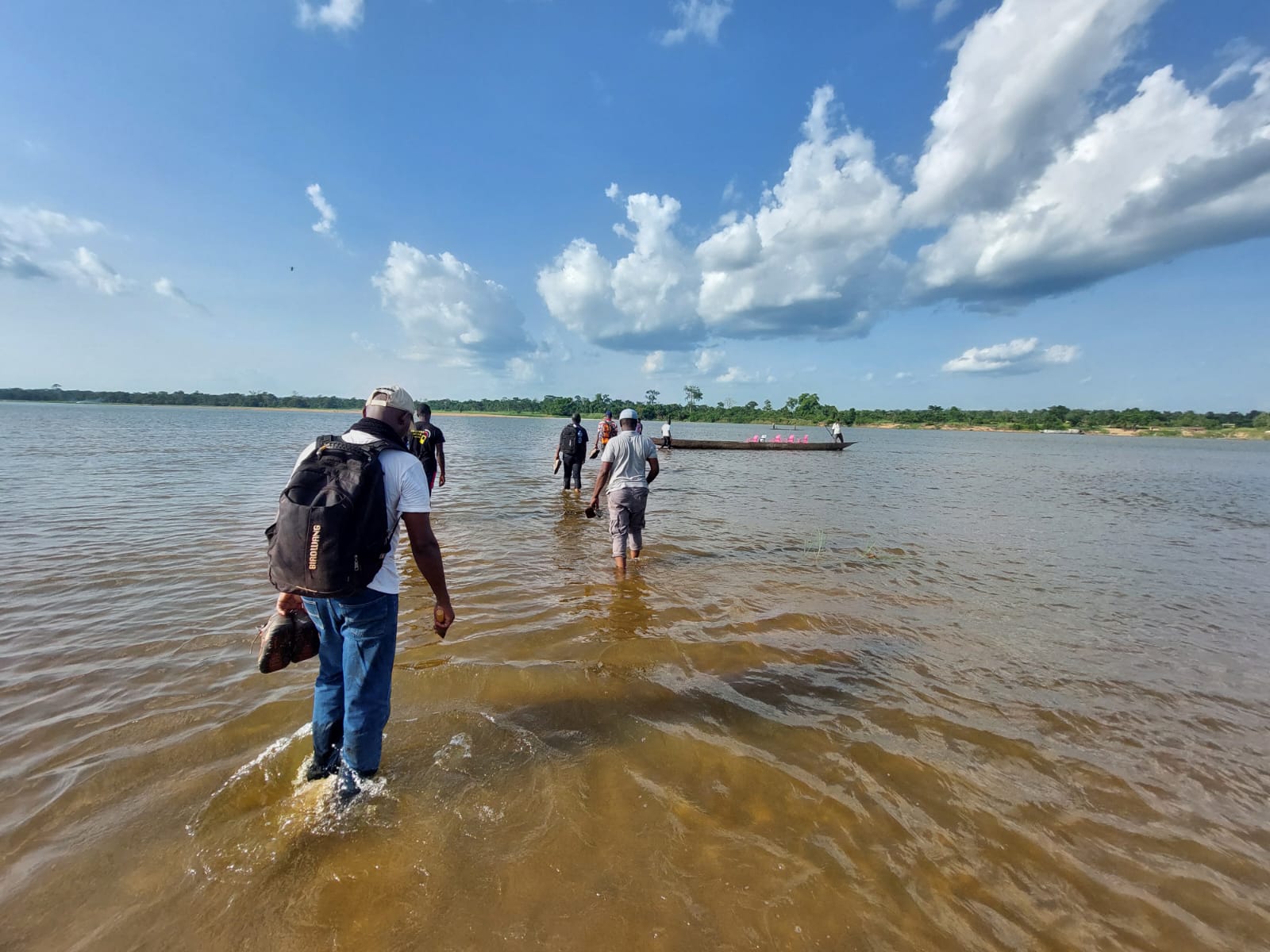
On the way to an archaeological exploration along the Ubangi
At the weekly meeting of the Ngbundu cultural association in Libenge
Jean-Pierre Donzo serving as a Ngbaka Minagende interpreter for ethnoarchaeological documentation
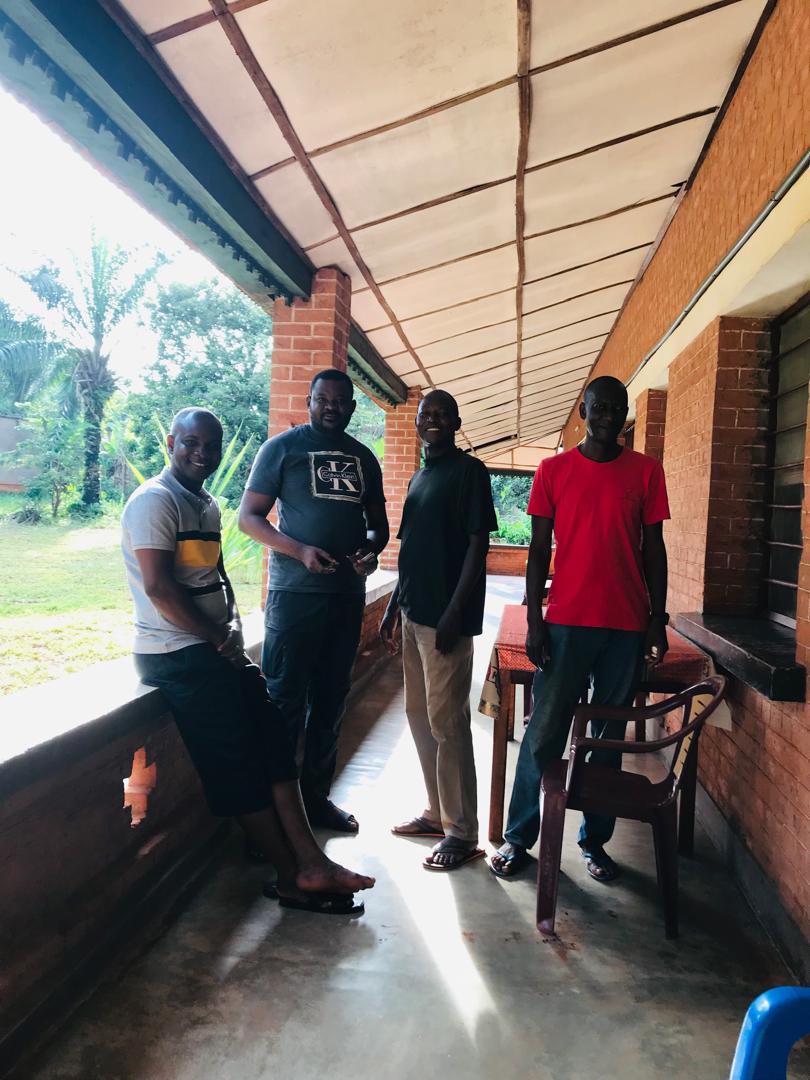
Members of the archaeology team getting ready for another tough day ahead in Gemena