Archaeological Fieldwork in the Central African Republic

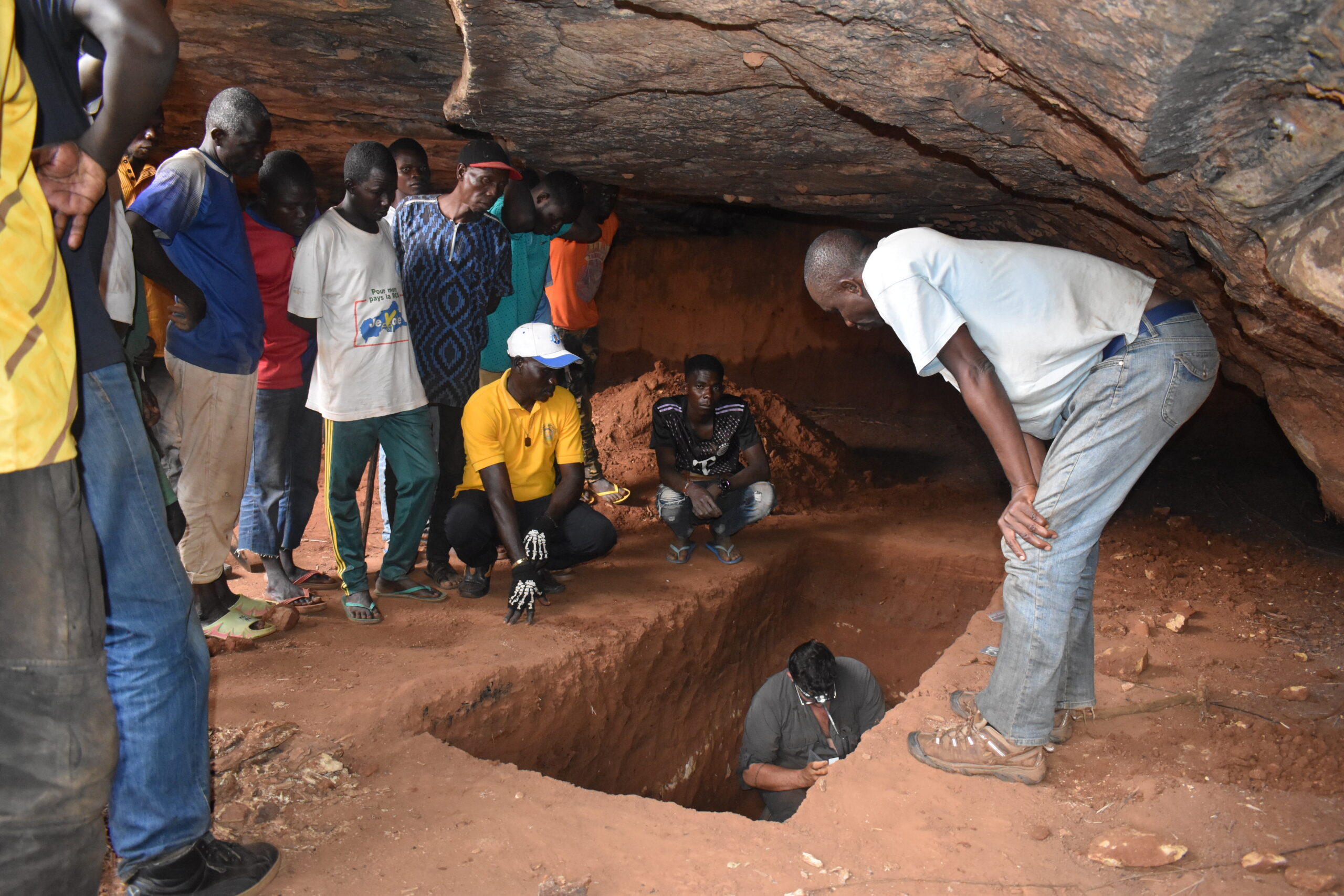
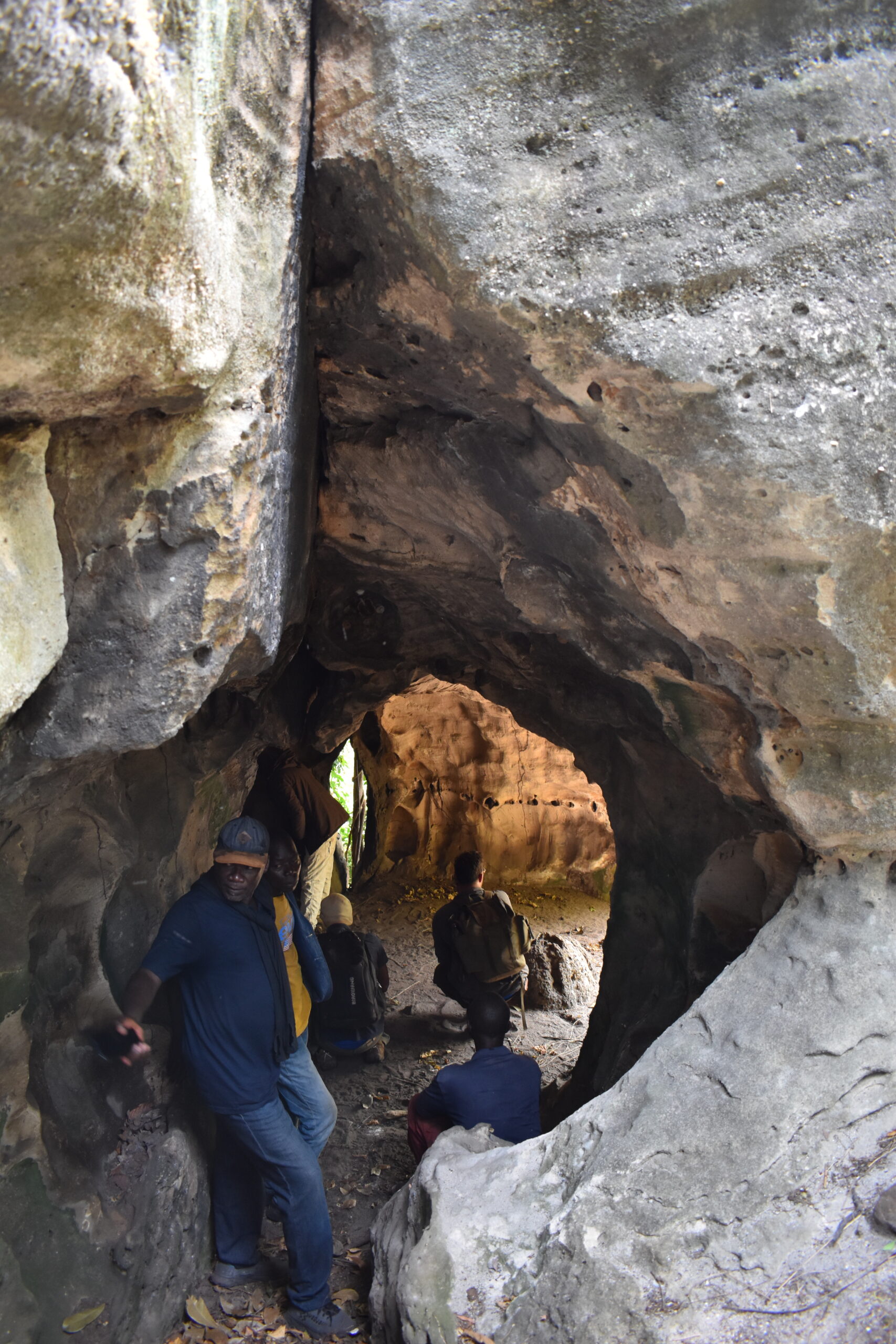
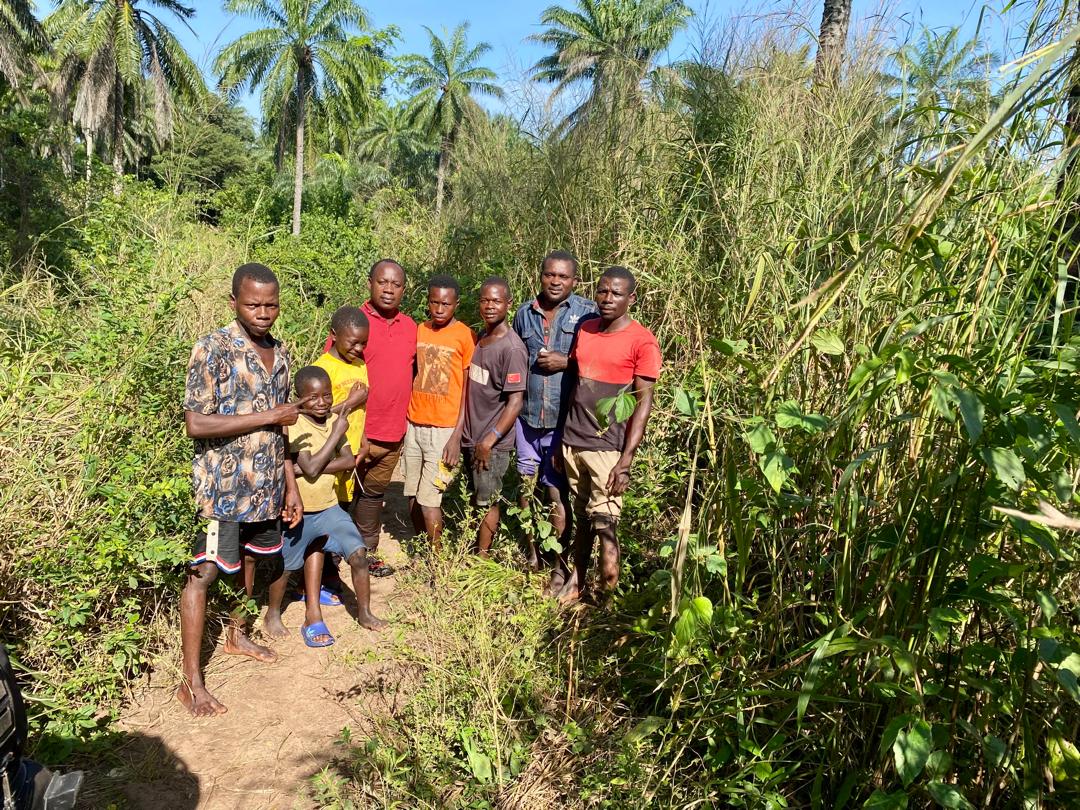
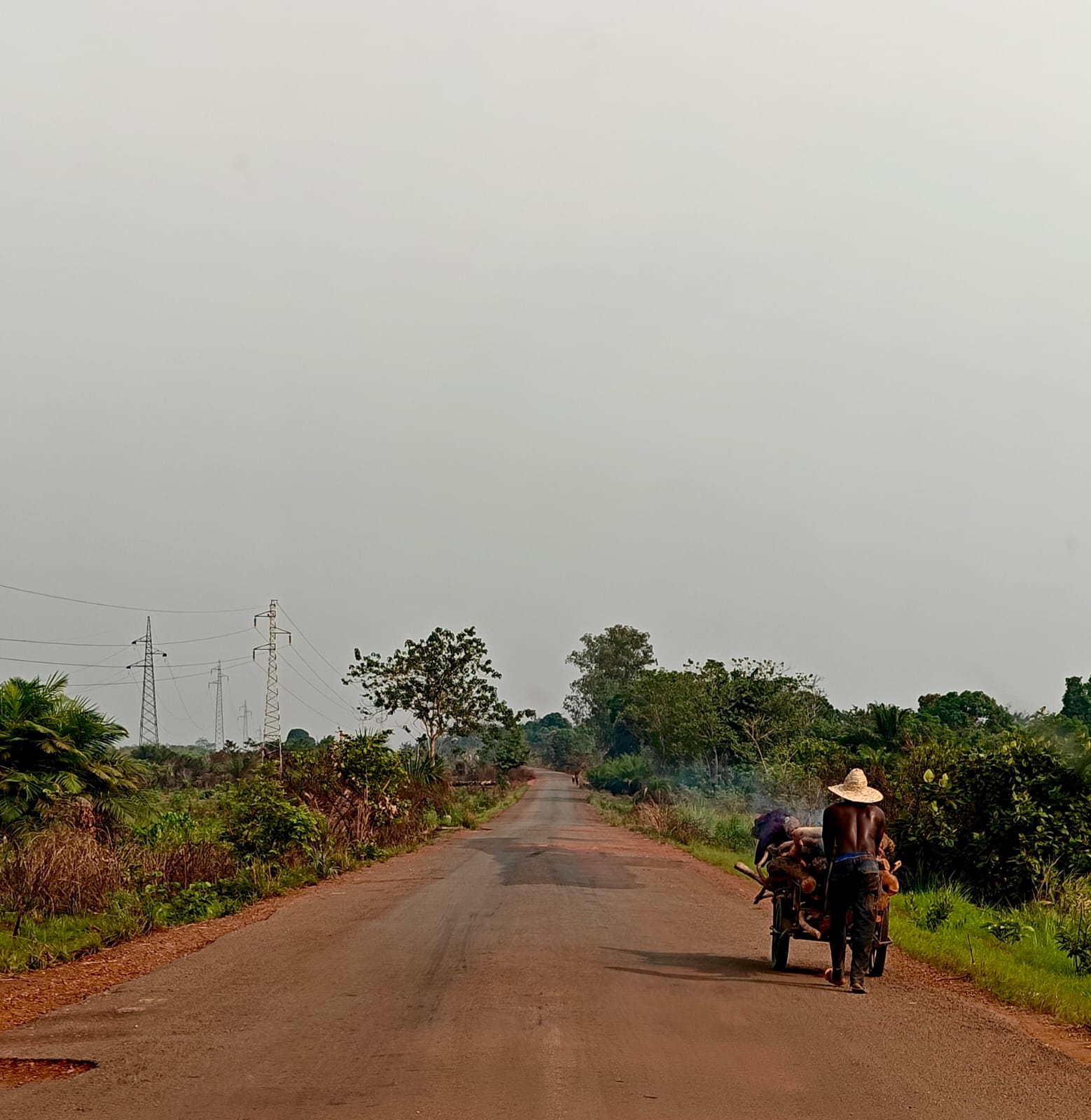
Between 27 January – 9 February Dr. Peter Coutros lead the CongUbangi archaeology team on a mission in the western regions of the Central African Republic. Dr. Coutros was joined by Henri Zana (UGent, Université de Bangui) , Lucien Nguerede (UGent, Université de Bangui), and Nicolette Edwards (Southern Methodist University). This mission was focused on the regions around Berbérati and Carnot and targeted rockshelters as well as occupation sites and metallurgical sites. A total of 22 newly identified sites were investigated and mapped by the team. Preliminary results of this work have revealed a dense archaeological landscape across the region that consisted of evidence for early human activity, including lithics and rock art, as well as more recent Iron Age settlements.

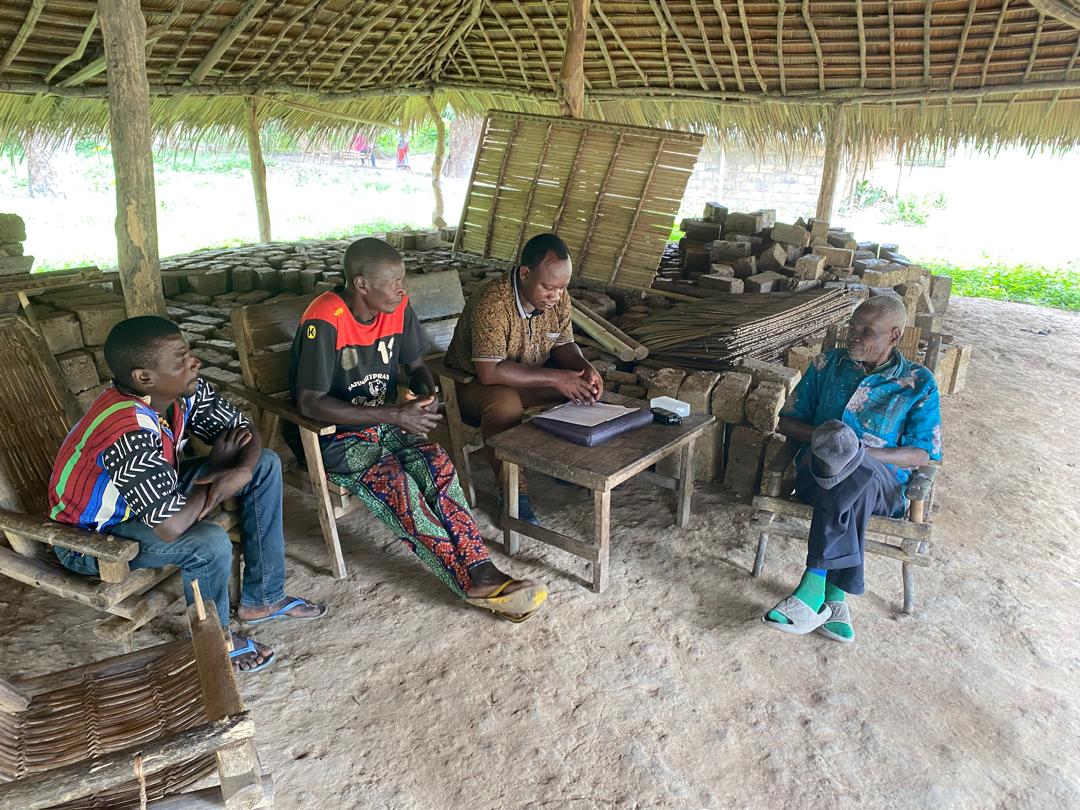
In addition, the team conducted ethnographic research with pottery producers near Bouar to compliemt the results from the 2025 mission.


Linguistic fieldwork on Furu [fuu], Gezo [pae], and Ngombe [ngc] of Bosobolo in Nord Ubangi province, DRC (2025)

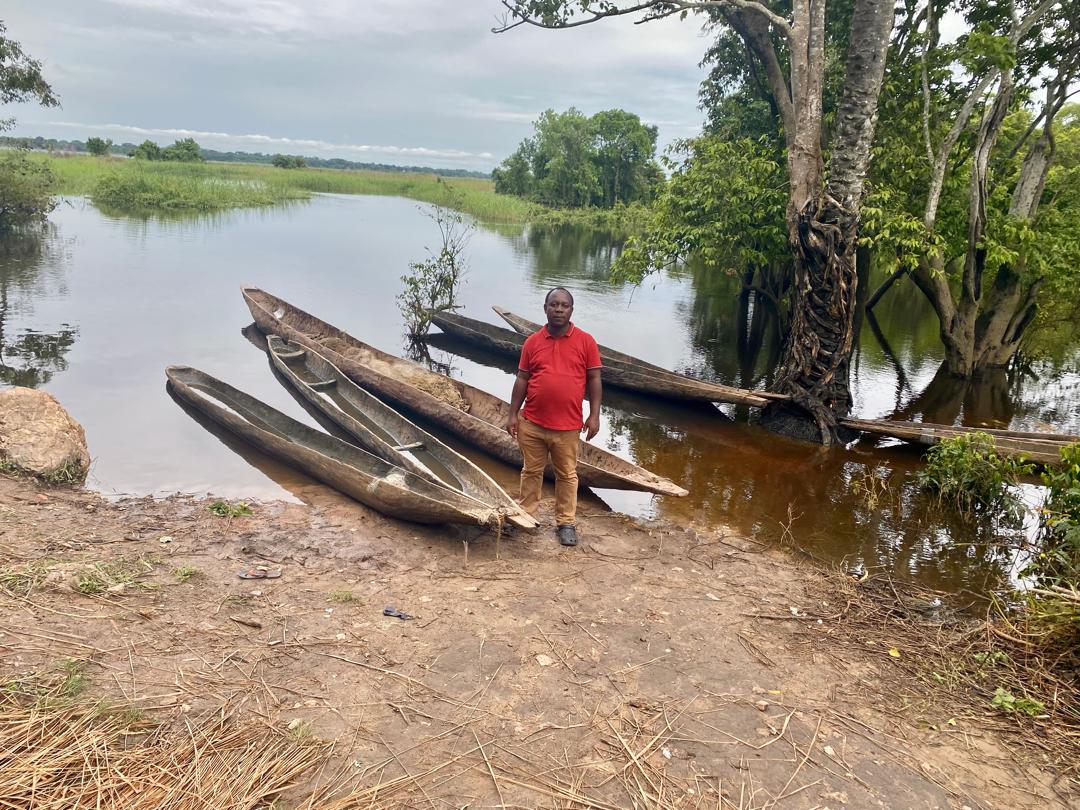
From 6 October to 7 December 2025, Paulin Baraka Bose conducted his second fieldwork mission in the DRC province of Nord Ubangi. Several languages were targeted in this mission.

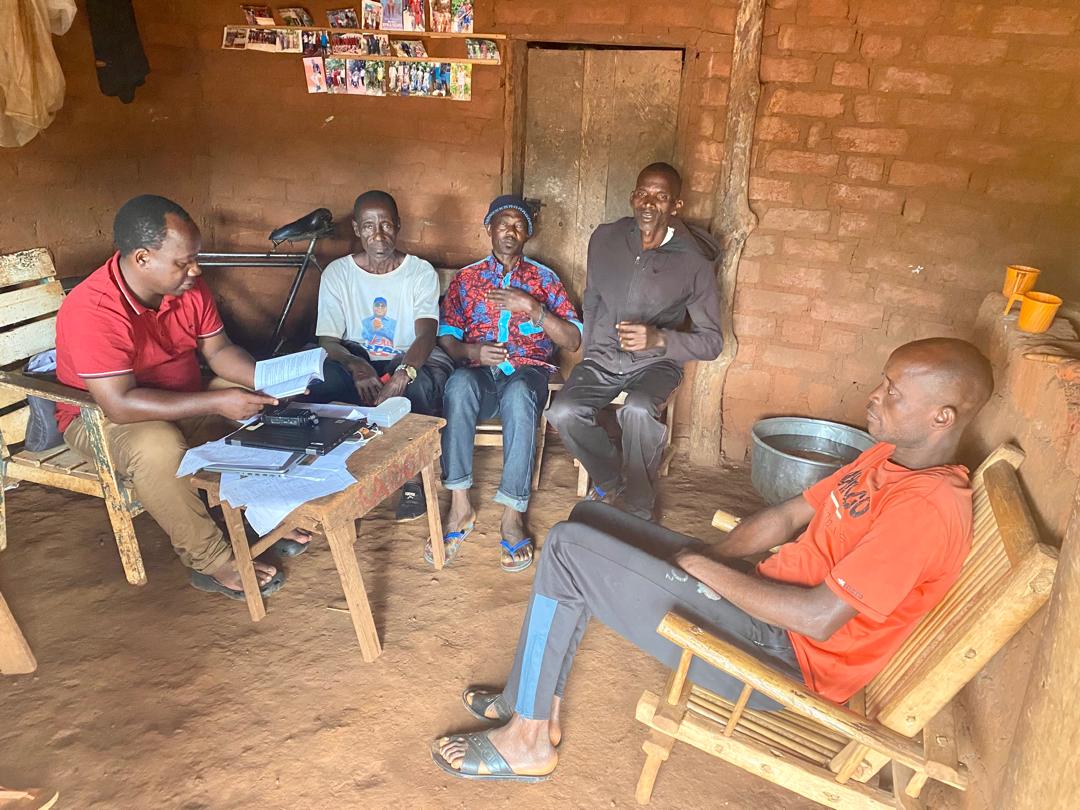
Gezo [pae]: Paulin collected data from 10 Gezo villages located in the Abuzi Sector, Groupement Mongende Sud, Yakoma Territory. Gezo is a variety of Pagibete (Bantu C41). The primary focus was the noun class system of Gezo, with systematic elicitation of singular and plural forms in different syntactic environments. This work allowed Paulin to complete and verify data previously collected in July 2024 around Gbadolite (Bambo area).

Fulu [fuu]: Linguistic data on Fulu were collected in several locations, covering multiple local varieties, specifically: Zinga (groupement Bolaka), Gbamazonga (groupement Gbanziri), and several villages in groupement Fulu Mbanza and Fulu Ndubulu. This comparative data collection focused on the verbal system (aspect, tense, negation), verbal tonal morphology, and tonal behavior in nominal constructions.

Ngombe of Bosobolo [ngc]: Lexical items and data relevant to the noun class system were collected for the first time on the Ngombe spoken in Bosobolo (also known as North Ngombe), a variety never documented before. Data collection took place in groupement Ngwele and Mosweya.


Additionally, Paulin carried out genetic sampling in Gezo and Ngombe-speaking communities.


Linguistic fieldwork on Ndunga [ndt] (Ubangi, Mbaic) in the Mongala province, DRC (2025)

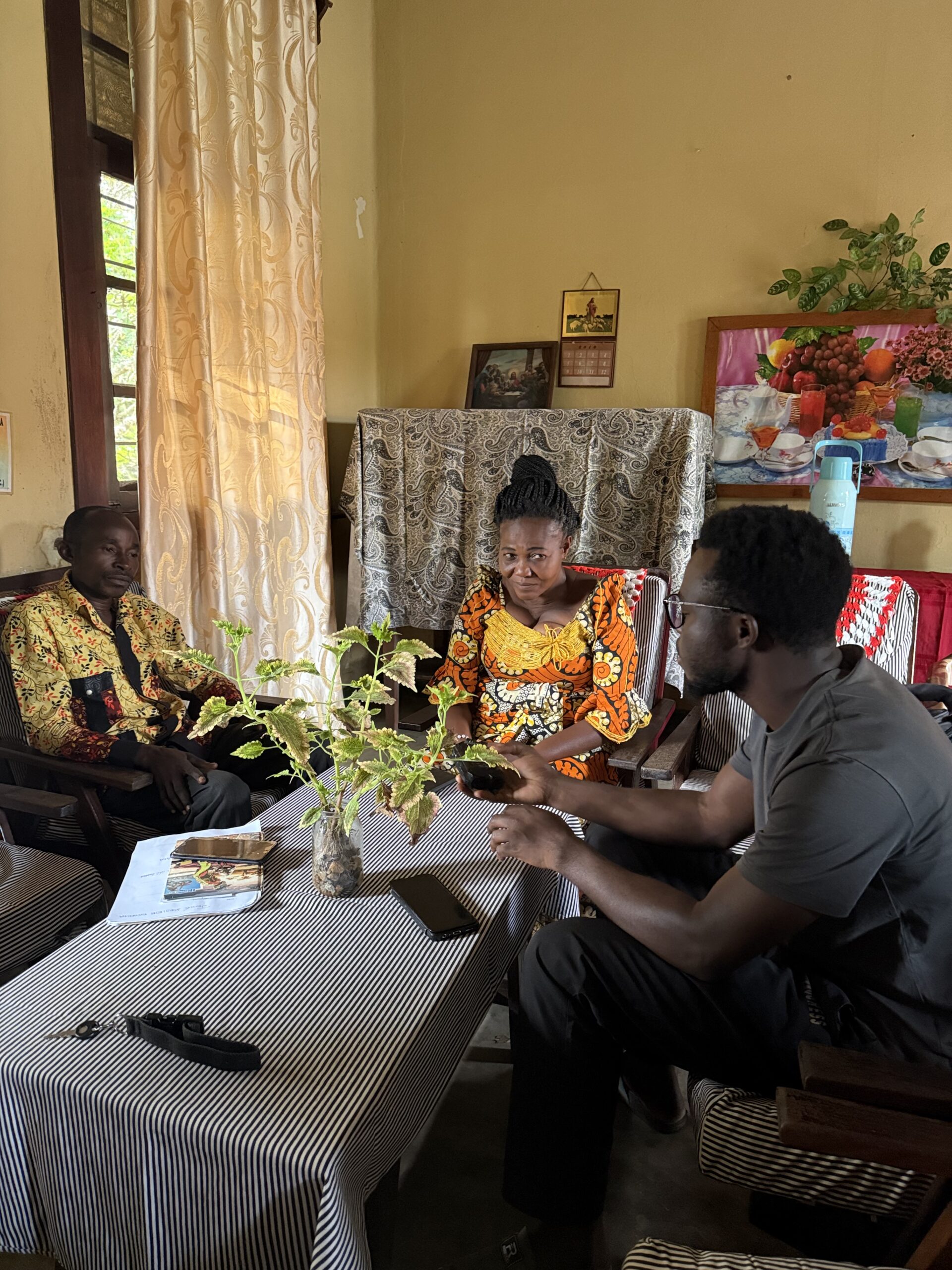
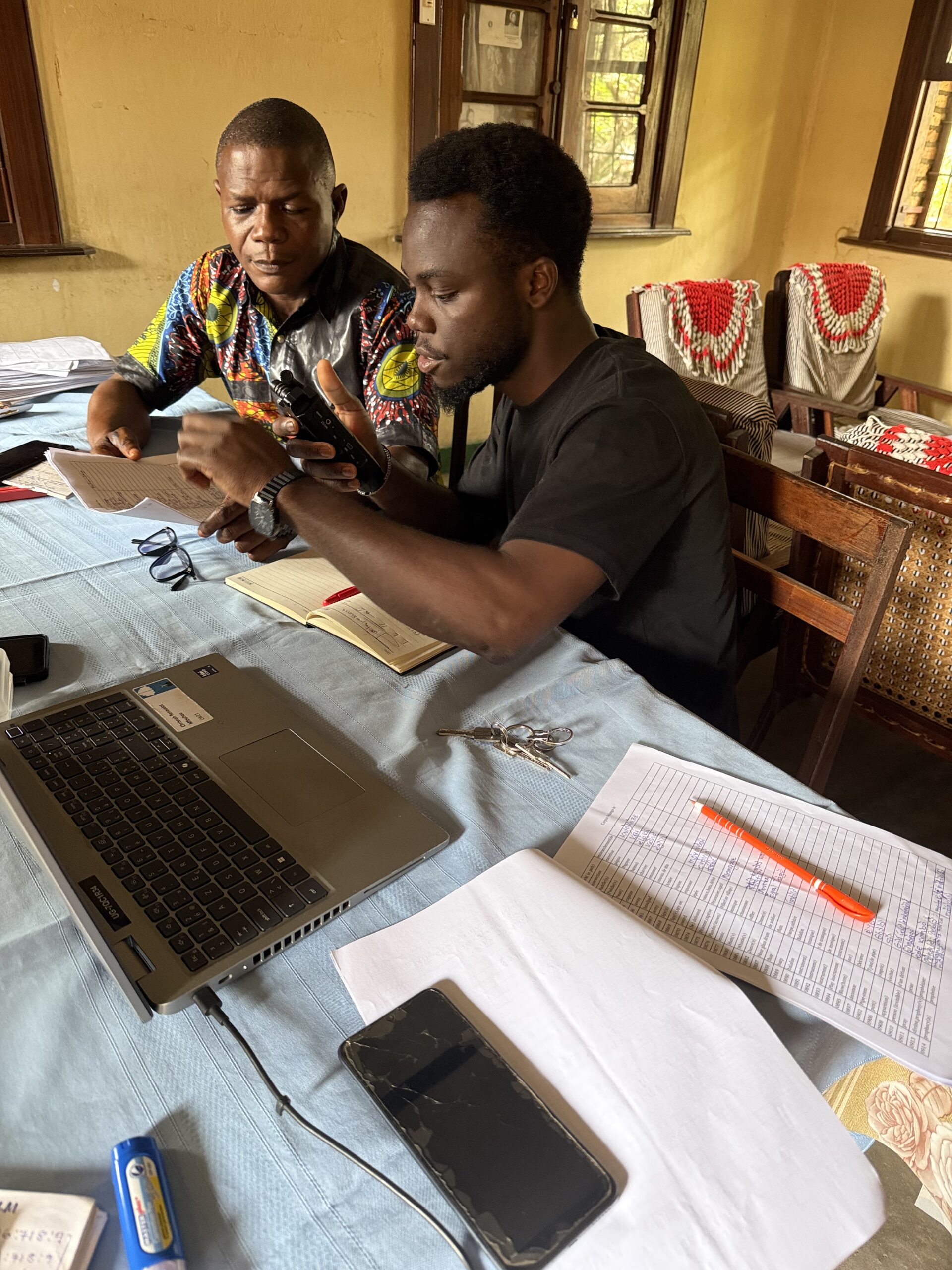
From August 23 to Oct 29, 2025, as part of his ongoing typologically informed grammar of Ndungalɛ, Chrisnah Mfouhou conducted his second fieldwork mission in Lisala and its environs. During his eight‑week stay, he addressed outstanding issues from his 2024 fieldwork concerning segmental phonology and the noun phrase. He further documented the nominal and verbal tonal systems of Ndungalɛ and investigated the structure of the verb complex through both elicitation sessions and the analysis of naturalistic texts.

Research on Gezo (pae) presented at the SocioBaGs workshop (2025)

During June 26-28, Paulin Baraka Bose, Koen Bostoen, Sara Pacchiarotti participated in the SocioBaGS Workshop “Macro- and micro-variation in Bantu grammatical gender systems and their sociolinguistic correlates”, funded by the Agence Nationale de la Recherche (ANR) and the Deutsche Forschungsgemeinschaft (DFG). The workshop took place at Laboratoire Parole et Language, Aix-Marseille Université, France. The title of the talk was The gender system of Gɛ́zɔ́, a poorly known variety of Pagibete (Bantu C401). This talk was based on data collected by Paulin Baraka Bose in Nord Ubangi in 2024.

Ethnoarchaeological fieldwork on iron-producing communities in the Central African Republic (2025)

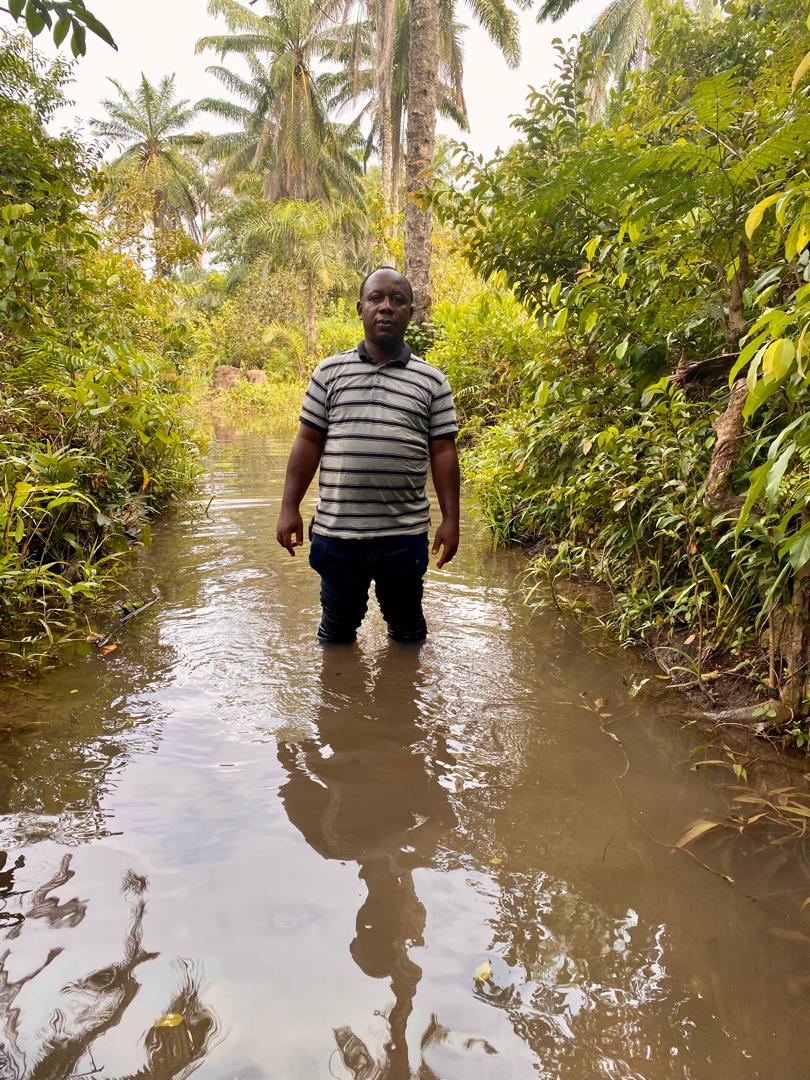
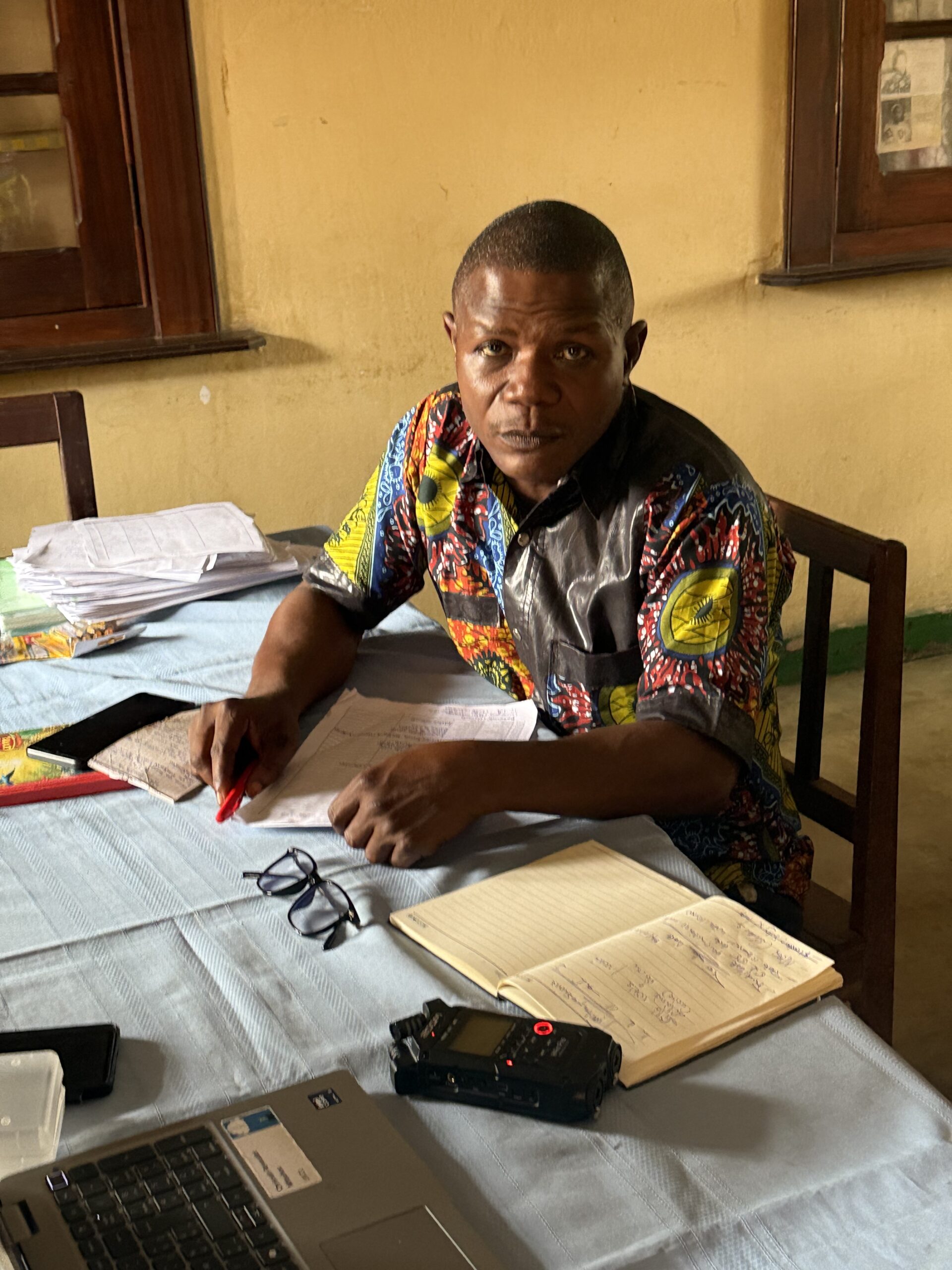
During the first half of 2025, Lucien Pierre Nguerede conducted several fieldwork missions to collect data on the (ethno)archaeology of iron-producing communities located to the southwest of the Central African Republic. More specifically, Lucien collected ethnographic and archaeological data in the prefectures of Lobaye (Mbaiki), Sangha Mbaéré (Nola),  Nana-Mambéré (Bouar), and Basse-Kotto (Alindao). One of the main outcomes of this fieldwork season was the identification of an active aluminum production site.

Additionally, Lucien collected genetic data on Banda populations never sampled before.


Ethnoarchaeological fieldwork on pottery-producing communities in the Central African Republic (2025)

During the first half of 2025, Henri Zana conducted several fieldwork missions to collect data on the (ethno)archaeology of pottery-producing communities located in the southwest of the Central African Republic. More specifically, Henri Zana collected ethnographic and archaeological data in the prefectures of Lobaye (Mbaïki), Sangha Mbaéré (Nola), and Mambéré Kadéi (Bania). Besides collecting data on the chaînes operatoires of potters belonging to different Ubangi subgroups, the mission led to the identification of 12 sites, 7 of which were excavated. The mission also involved genetic data collection on Ubangi and Bantu-speaking populations never sampled before.


CongUbangi team presented at the Society of Africanist Archaeologists (2025)

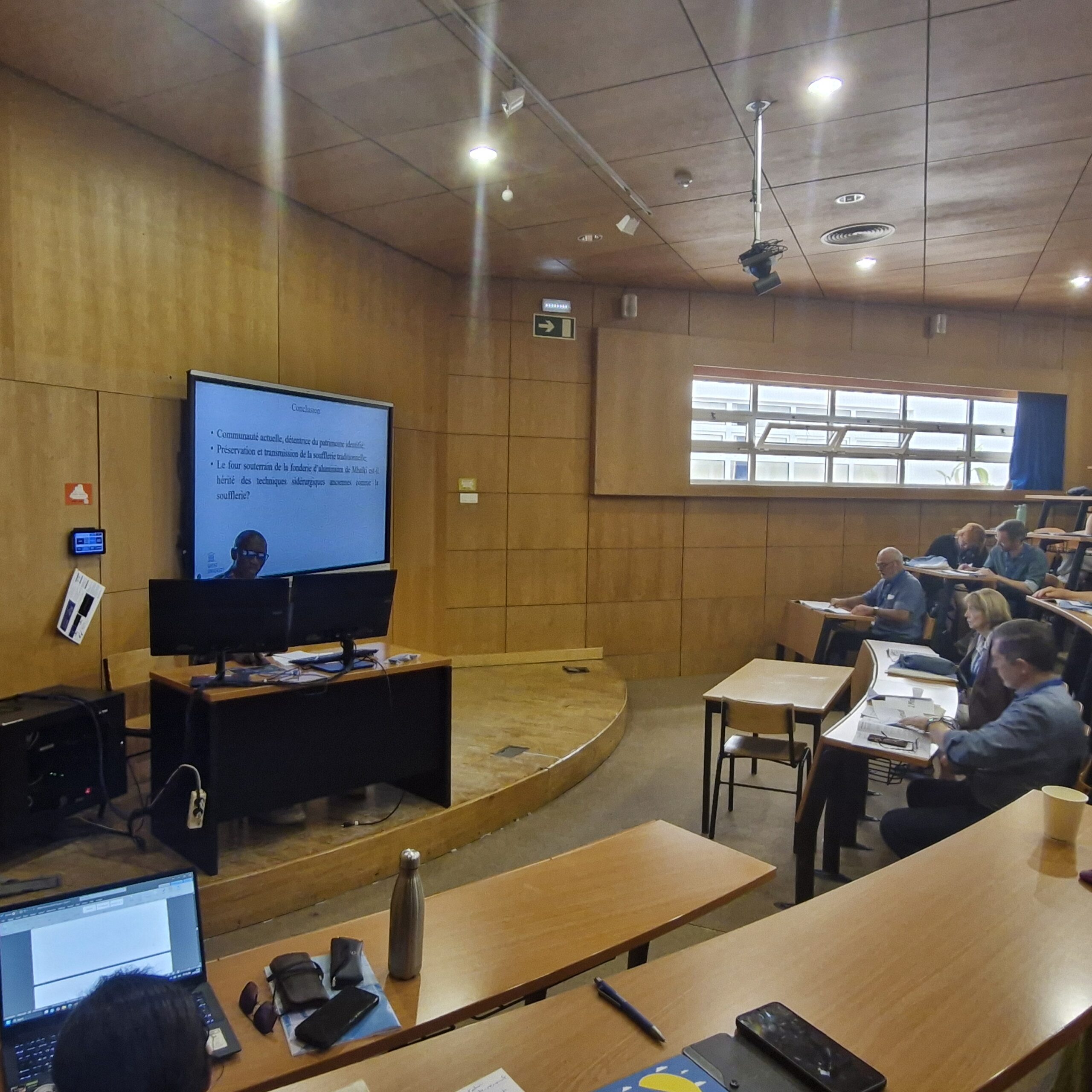
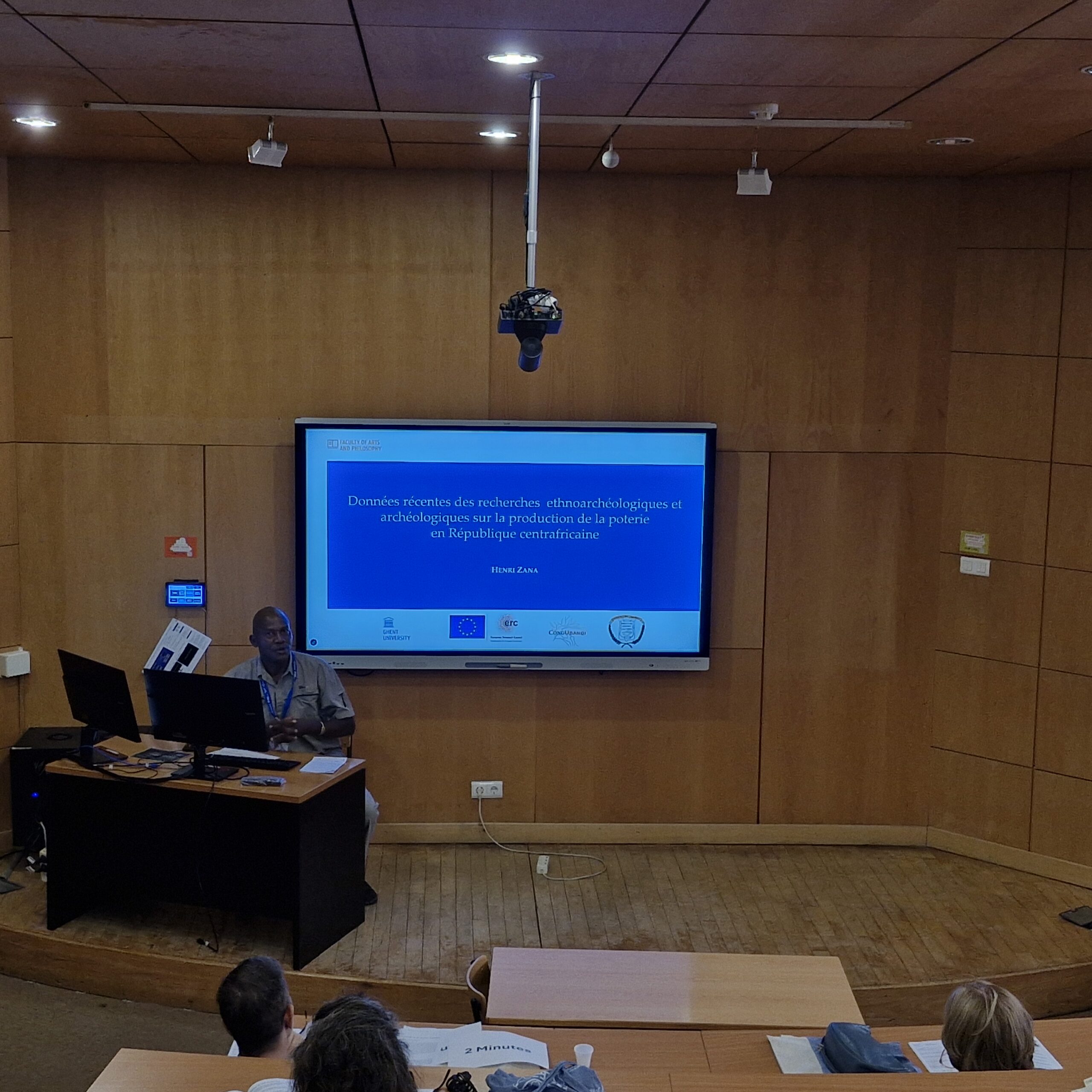
Between July 22 and 25, the CongUbangi archaeology team joined over 550 other participants at the 2025 meeting of the Society of Africanist Archaeologists in Faro, Portugal. Our team presented three papers on various aspects of our recent ethnographic and archaeological research across northern Democratic Republic of the Congo (DRC) and southern Central African Republic (CAR).

Henri Zana presented a talk on his ethnoarchaeological work in the Nola and Bangui regions (CAR), with a talk entitled “The ethnoarchaeology of pottery communities in southwest Central African Republic”. Lucien Nguerede presented a talk entitled “An ethnoarchaeology of metallurgy in the Central African Republic”, that focused on his research on ancient and modern metallurgists in the Bangui, Bouar, and Alindao regions (CAR). Finally, together with Karen Lupo and Dave Schmitt, Peter Coutros presented a comprehensive talk on the archaeological findings of the CongUbangi project, covering the past 2000 years, during his talk “Archaeology along the Forest rim: new research in southwestern CAR”.


Research on Ndunga (ndt) presented at Niger-Congo comparative workshop (2025)

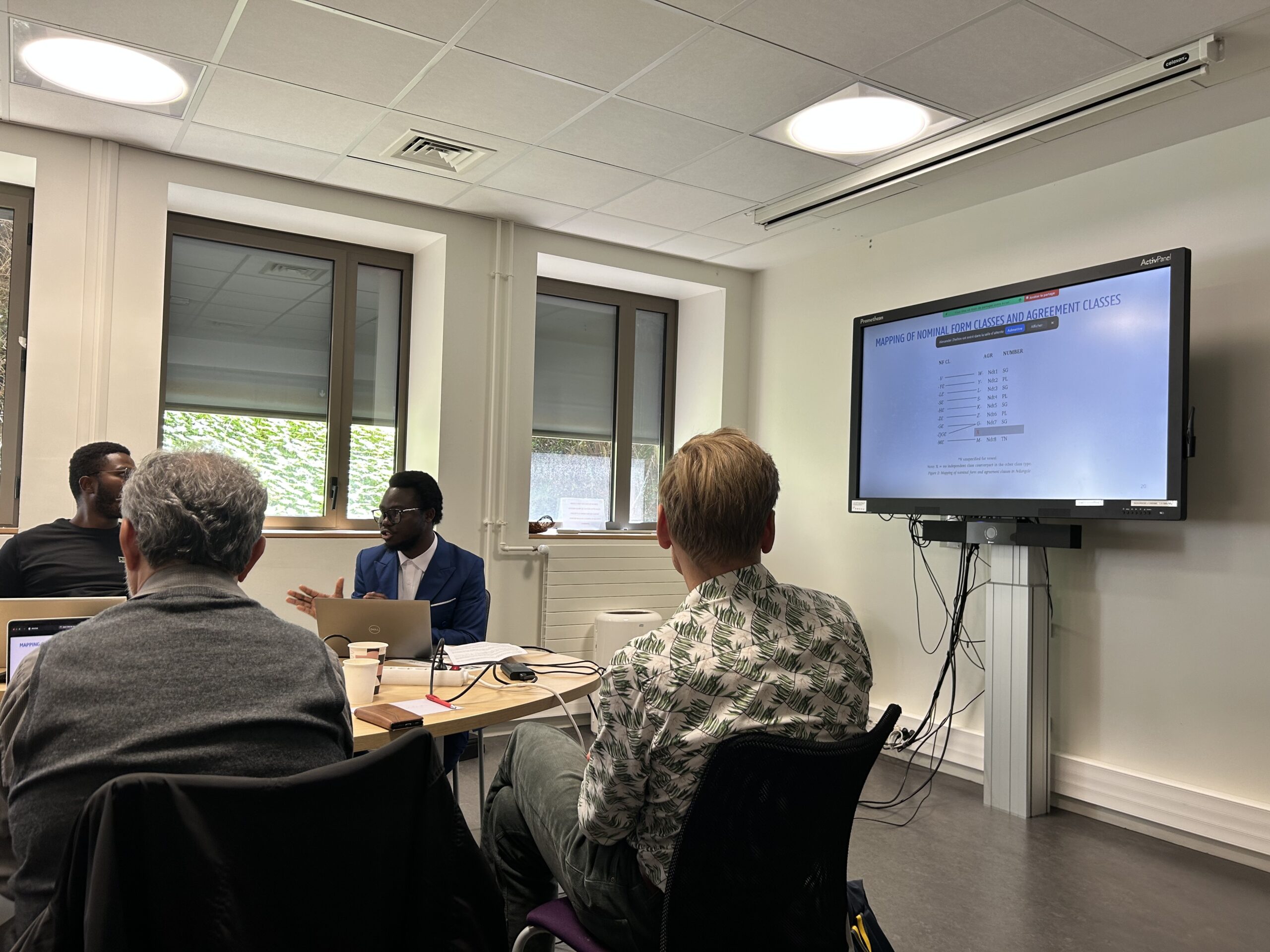
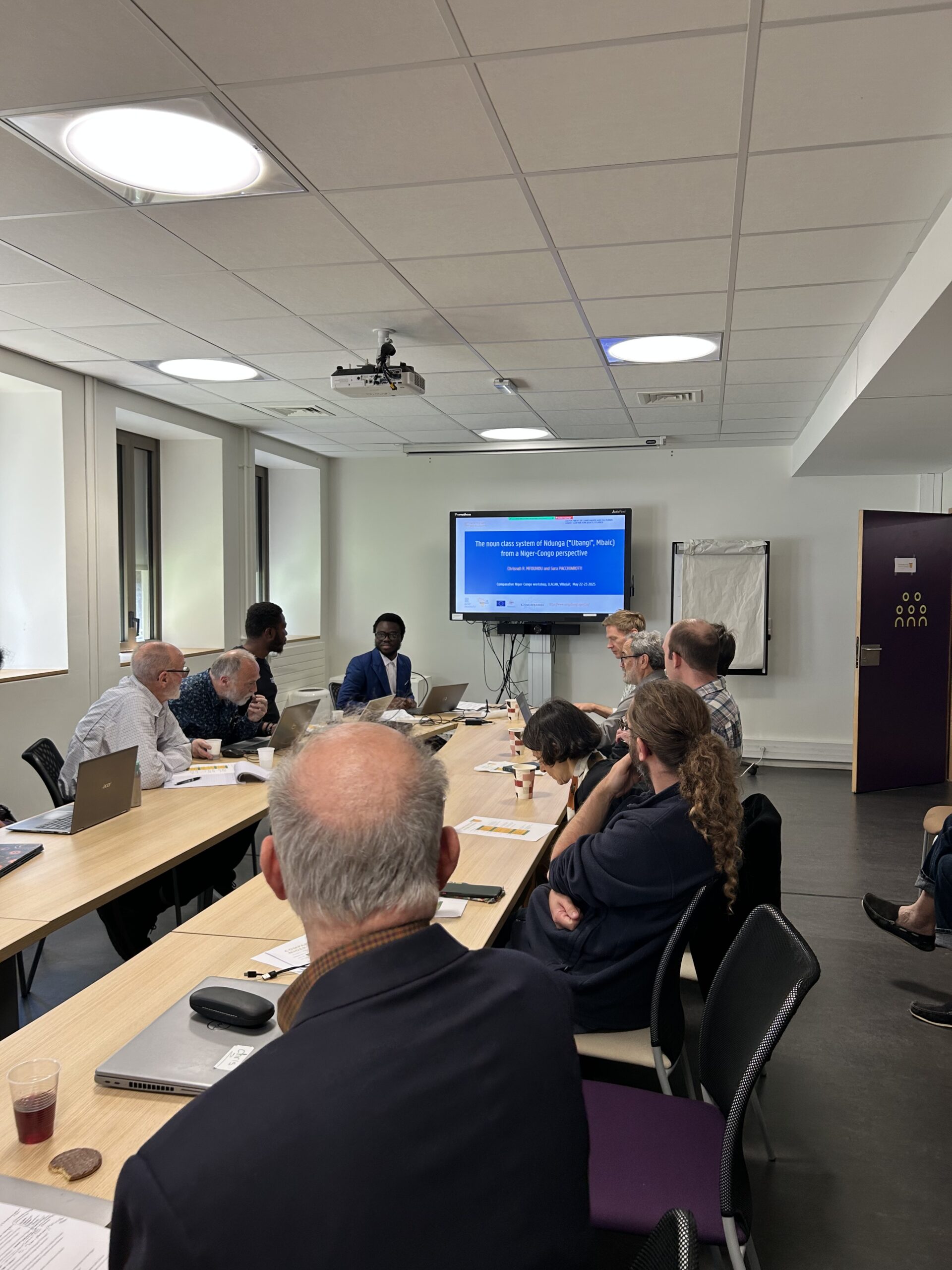
On May 22, 2025, Chrisnah R. Mfouhou and Sara Pacchiarotti presented a talk titled “The noun class system of Ndunga (“Ubangi”, Mbaic) from a Niger-Congo perspective” at the 2025 Comparative Niger-Congo workshop which took place at LLACAN, CNRS (Villejuif, France). The program of the workshop can be found here.

Research on Furu (fuu) presented at the Princeton Phonology Forum (2025)

On April 19, Sara Pacchiarotti and Paulin Baraka Bose presented the results of Paulin’s 2024 fieldwork mission on Furu (fuu) (Central Sudanic, northwestern DRC) at the fourth meeting of the Princeton Phonology Forum (PɸF 2025) (Princeton University, New Jersey, USA) with a talk titled “The lexicon and phonology of Fulu: insights into the population history of a small-scale Central Sudanic language spoken in northwestern DR Congo

The theme of PɸF 2025 was Sound Patterns and Human History. The workshop brought together scholars whose research examines the connection between human history, events, and migration (as evidenced from oral history, archeology, genetics, etc.) and large-scale areal zones of sound system convergence.

Aerodynamic and articulatory research on labial-velar and implosive consonants in the Central African Republic (2025)

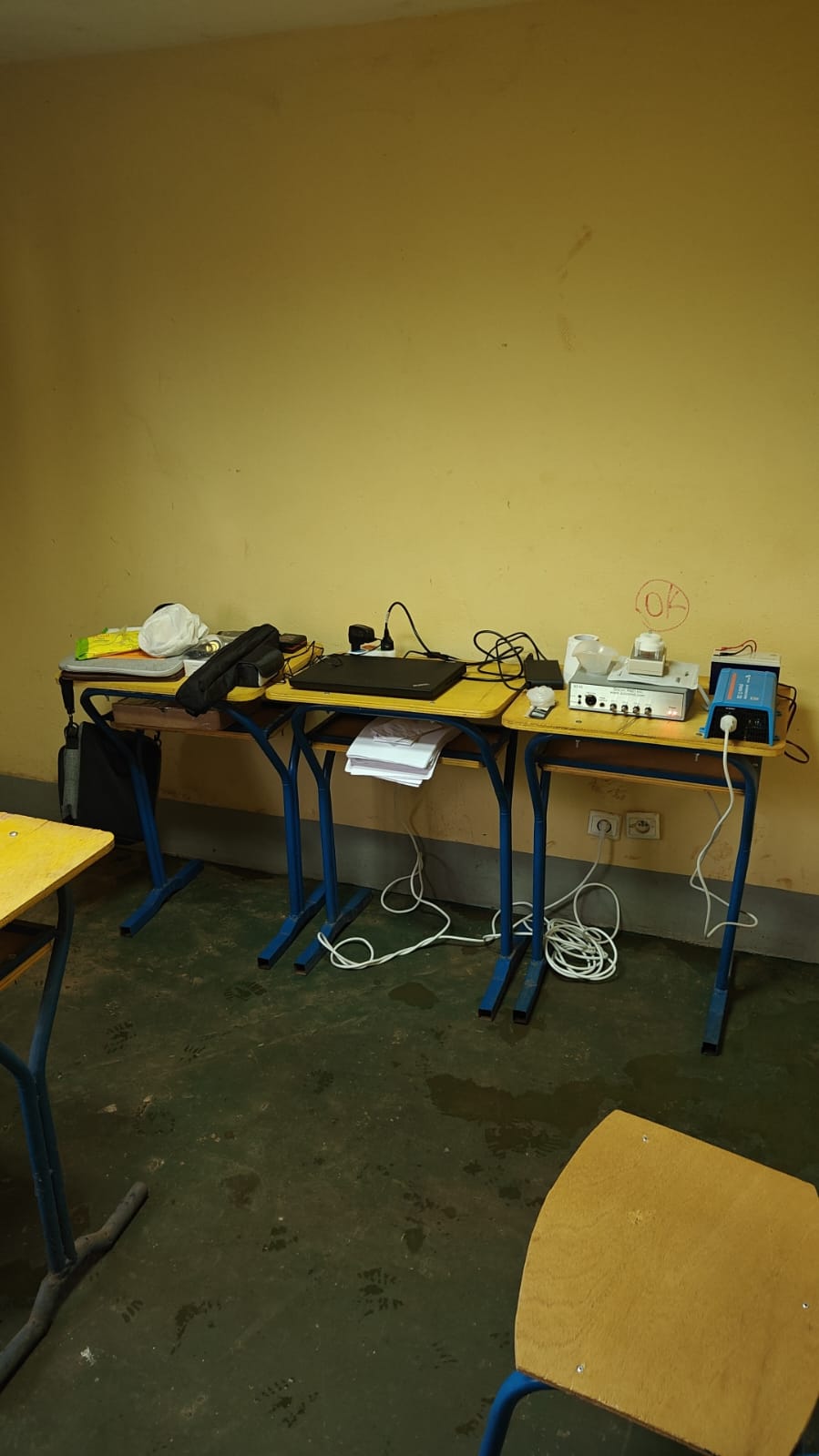
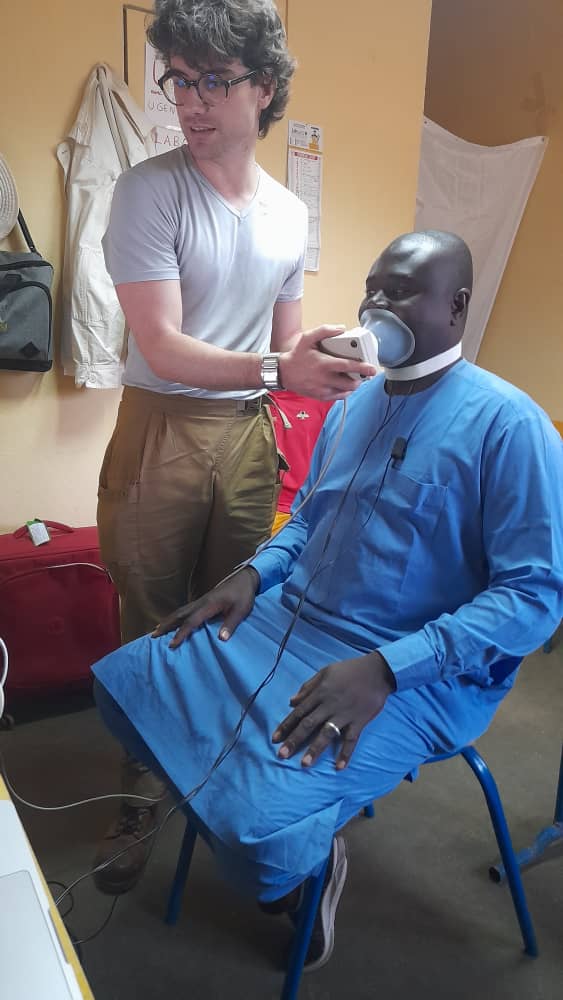
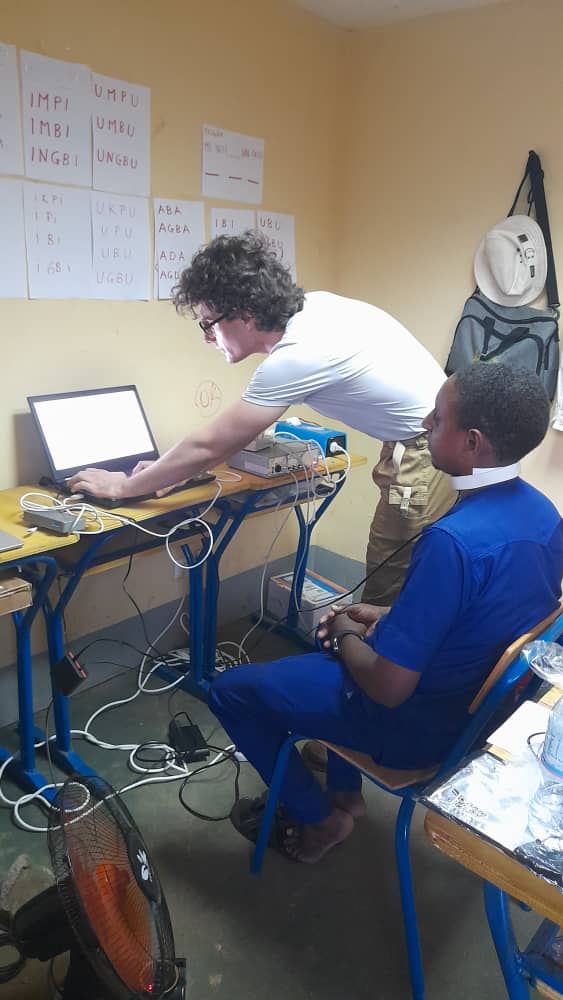
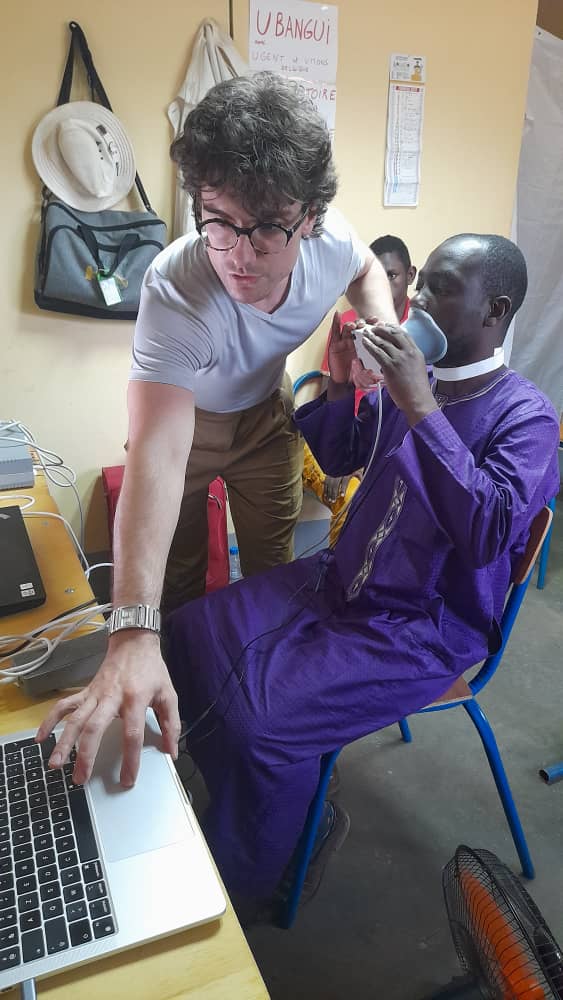
From January 29 to March 30, Dr. Lorenzo Maselli, a doctor-assistant in the African Studies department and a BOF-funded postdoctoral fellow associated with the CongUbangi project, will conduct aerodynamic and articulatory research on labial-velar and implosive consonants in Bantu, Ubangi, other Niger-Congo, and Central Sudanic languages in Bangui, Central African Republic. During the first two weeks, Dr. Maselli was accompanied by Prof. Dr. Veronique Delvaux from the Université de Mons (UMONS). Together, they established a temporary phonetics lab at the Faculty of Medicine at the University of Bangui, equipped with a state-of-the-art pneumotachograph, kindly loaned by UMONS Institut Langage, and a brand-new electroglottograph purchased by Dr. Maselli specifically for this mission. The entire research mission was financially supported by the CongUbangi project.
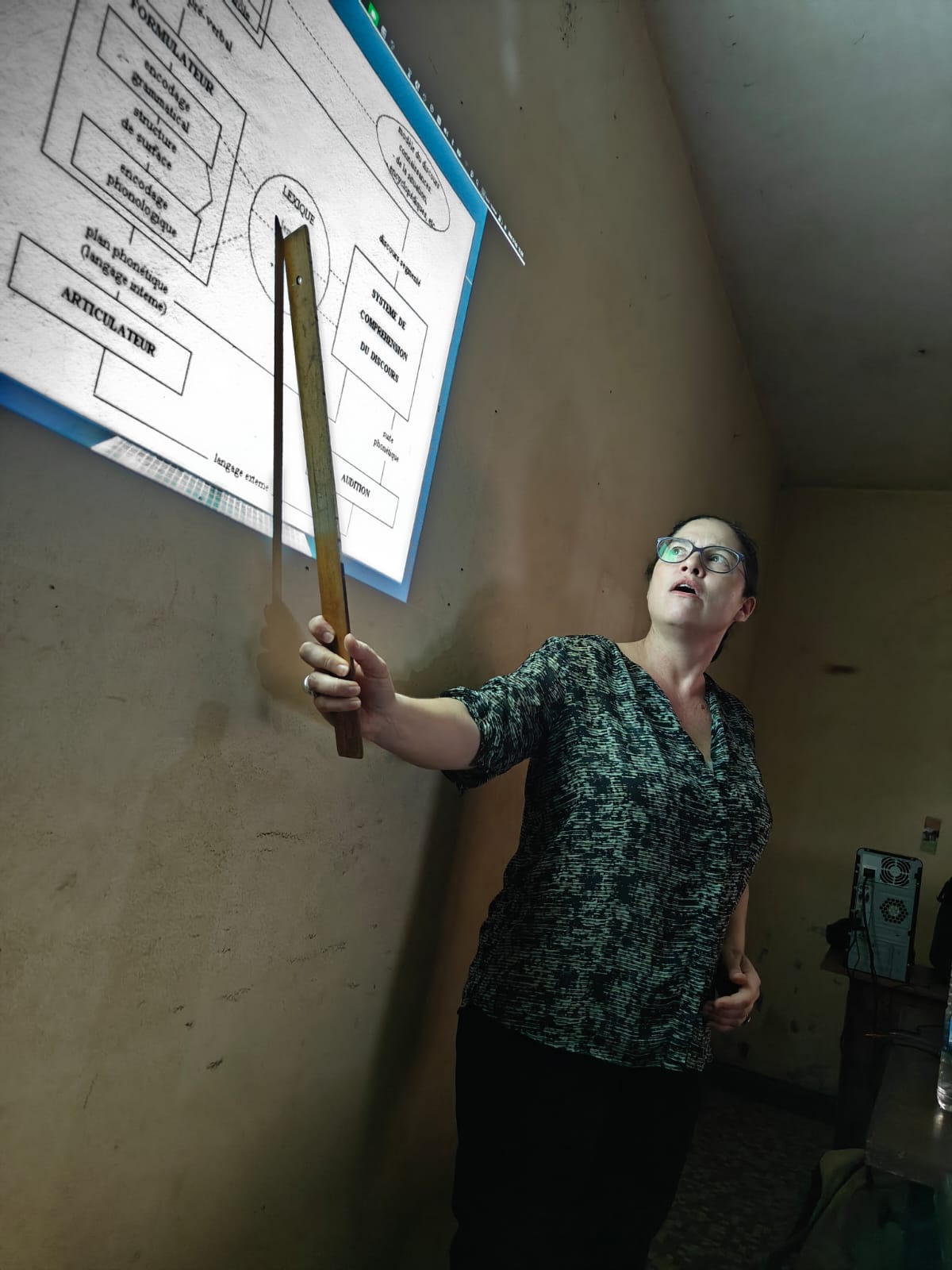
The pneumotachograph enables the collection of airflow and pressure data, while the electroglottograph monitors vocal fold vibrations. These measurements can be seamlessly paired with acoustic (spectral and waveform) traces to provide direct evidence of speech articulation. This approach allows for a comprehensive investigation of egressive and ingressive consonantal sounds, which is particularly crucial for studying implosives, as no purely acoustic cue can be considered entirely reliable for these sounds.
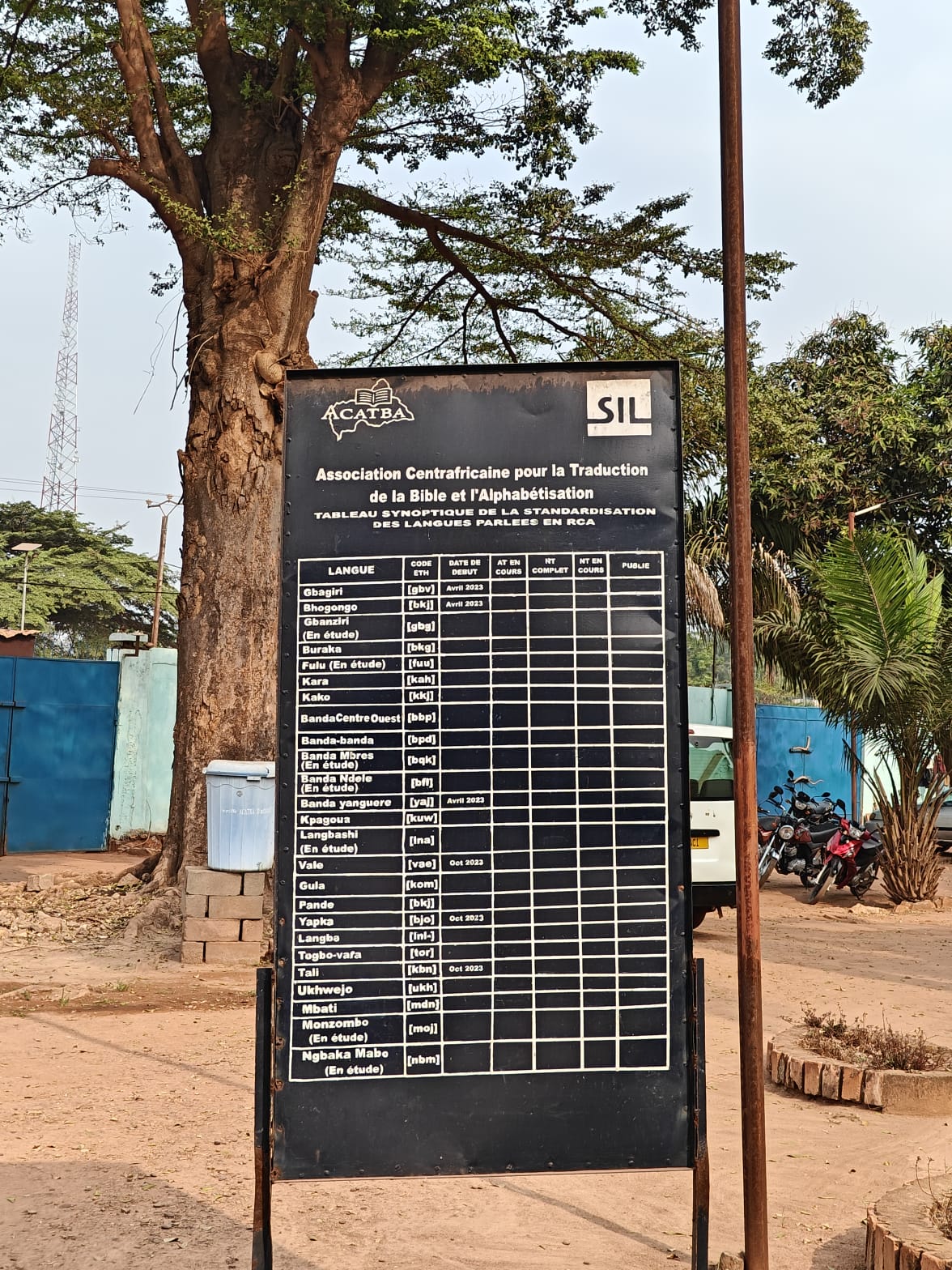
To date, Dr. Maselli has collected aerodynamic data from over 15 languages, with an average of five speakers per language. This project represents the most extensive phonetic documentation effort in Central Africa since the early 1960s. In addition to this research, Dr. Maselli has been teaching phonetics modules at Bangui’s Institut de Linguistique Appliquée and has established valuable collaborations with local SIL and UNESCO offices. All parties involved have expressed significant interest in the research.