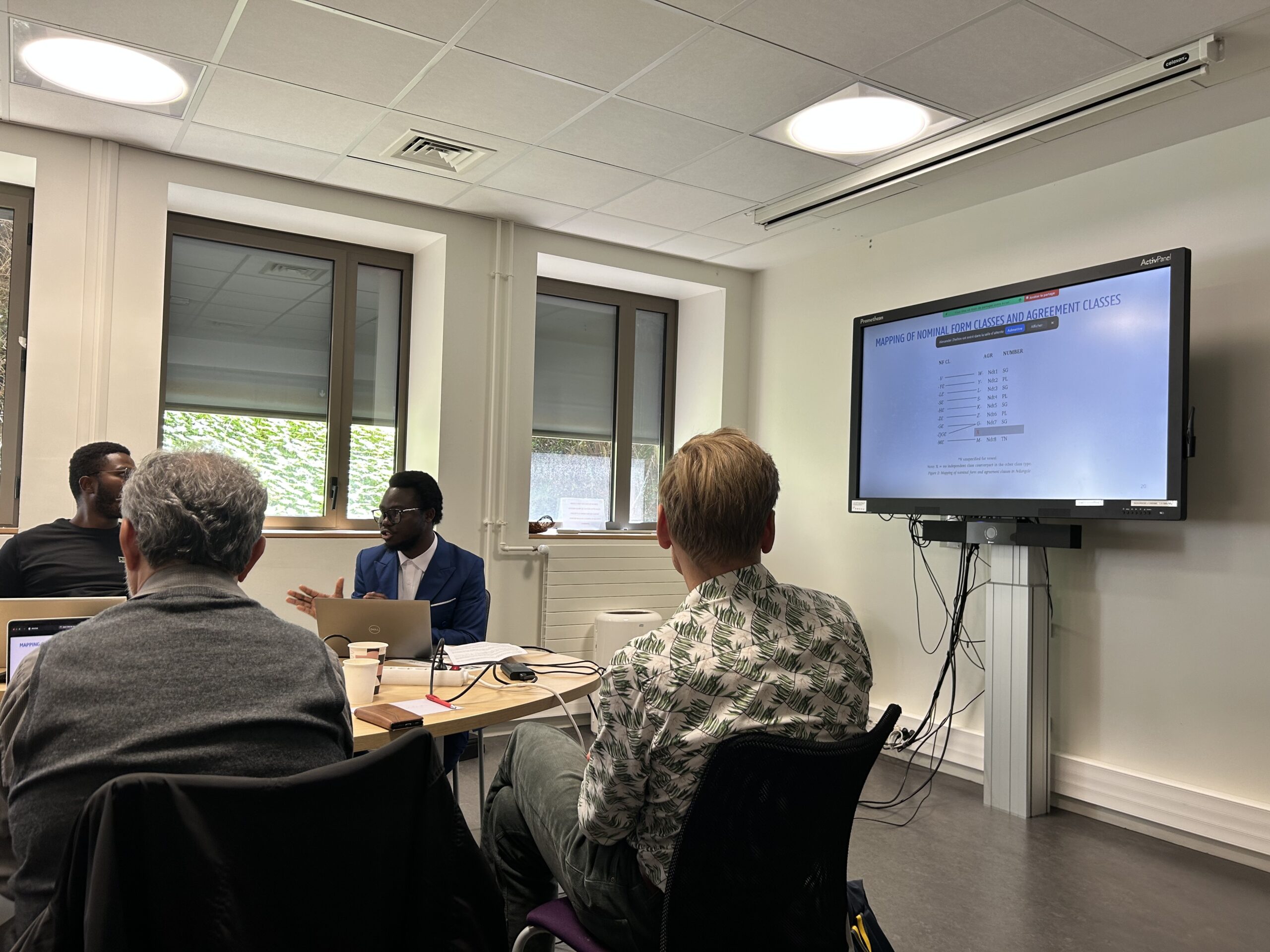
Chrisnah Renaudot Mfouhou gave a talk entitled Noun-phrase level tonal phenomena in Ndungalɛ (“Ubangi”, Mbaic) at the 4th Congo Research Network (CRN) PhD Days held on 15–16 January 2026 in a hybrid format at UCLouvain (Louvain-la-Neuve) and online. The event brought together PhD candidates and early-career researchers working on or in Central Africa, as well as senior scholars from a wide range of disciplines. Over two days, participants engaged in rich and stimulating discussions around 51 paper presentations and 18 posters, reflecting the diversity of current research on the Congo and the wider Central African region.
Chrisnah was also discussant for the paper “Quand les (grands)-parents racontent … : (Re)construction du passé colonial: entre mémoire et histoire orale” by the PhD student Marta Guerreiro Bernardino.
From January 15 to January 31, Sara Pacchiarotti, PI of the CongUbangi project, visited the Central African Republic to meet for the first time the local authorities with whom she co-signed a university cooperation agreement and joint PhD agreement for the doctoral students in archaeology Henri Zana and Lucien Pierre Nguerede. In particular, Sara had the pleasure to meet Dr. Emmanuel Rock Yaouili Mognaman, director of CURDHACA (Centre Universitaire de Recherche et de Documentation en Histoire et Archéologie Centrafricaines at the Université de Bangui) and Prof. Dr. Bernard Simiti, former minister of Education and professor of history and archaeology at the Université de Bangui and co-supervisor of Henri Zana and Lucien Pierre Nguerede, as well as the Rector of the Université de Bangui, Prof. Gérard Gresenguet.
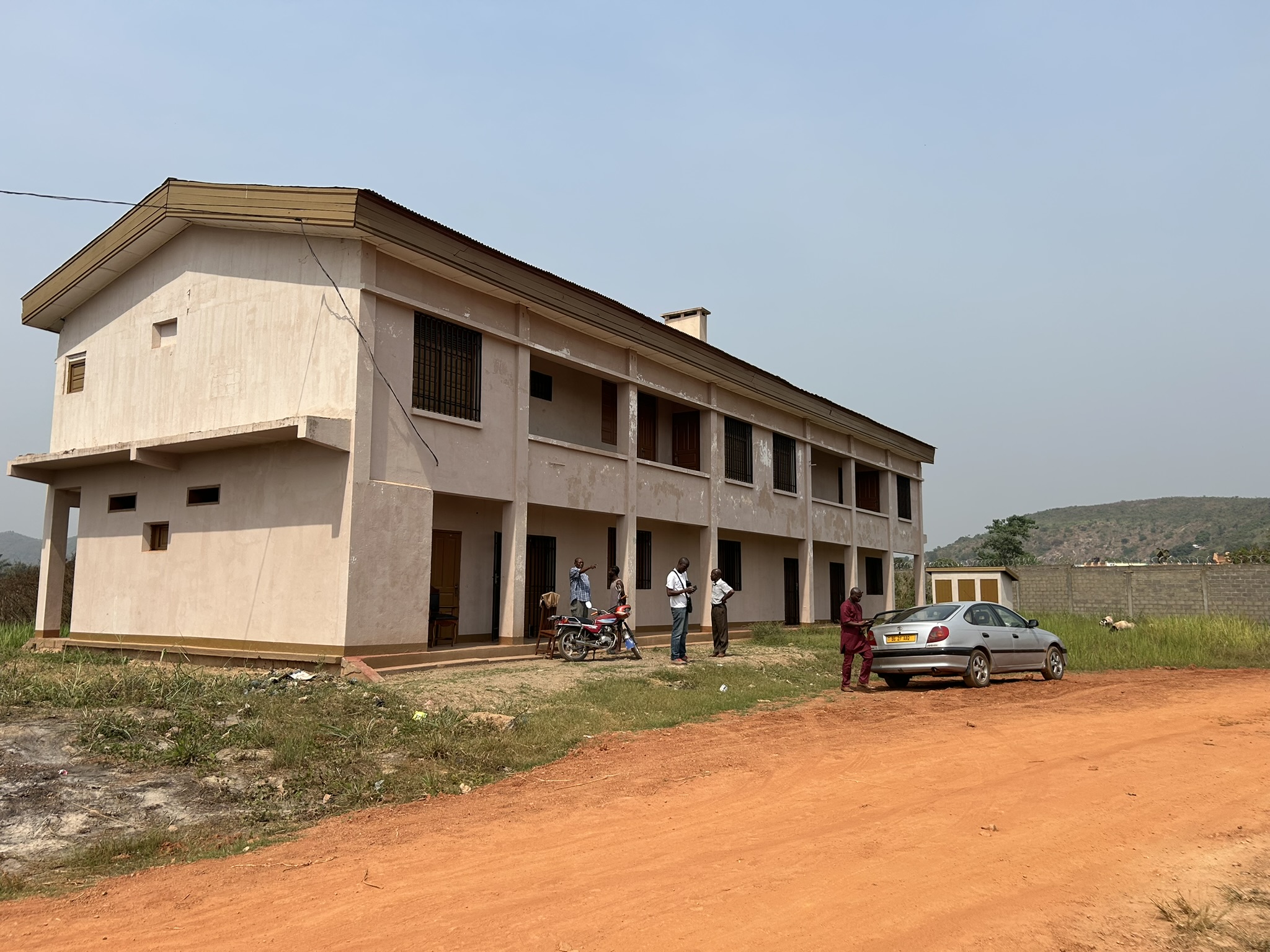
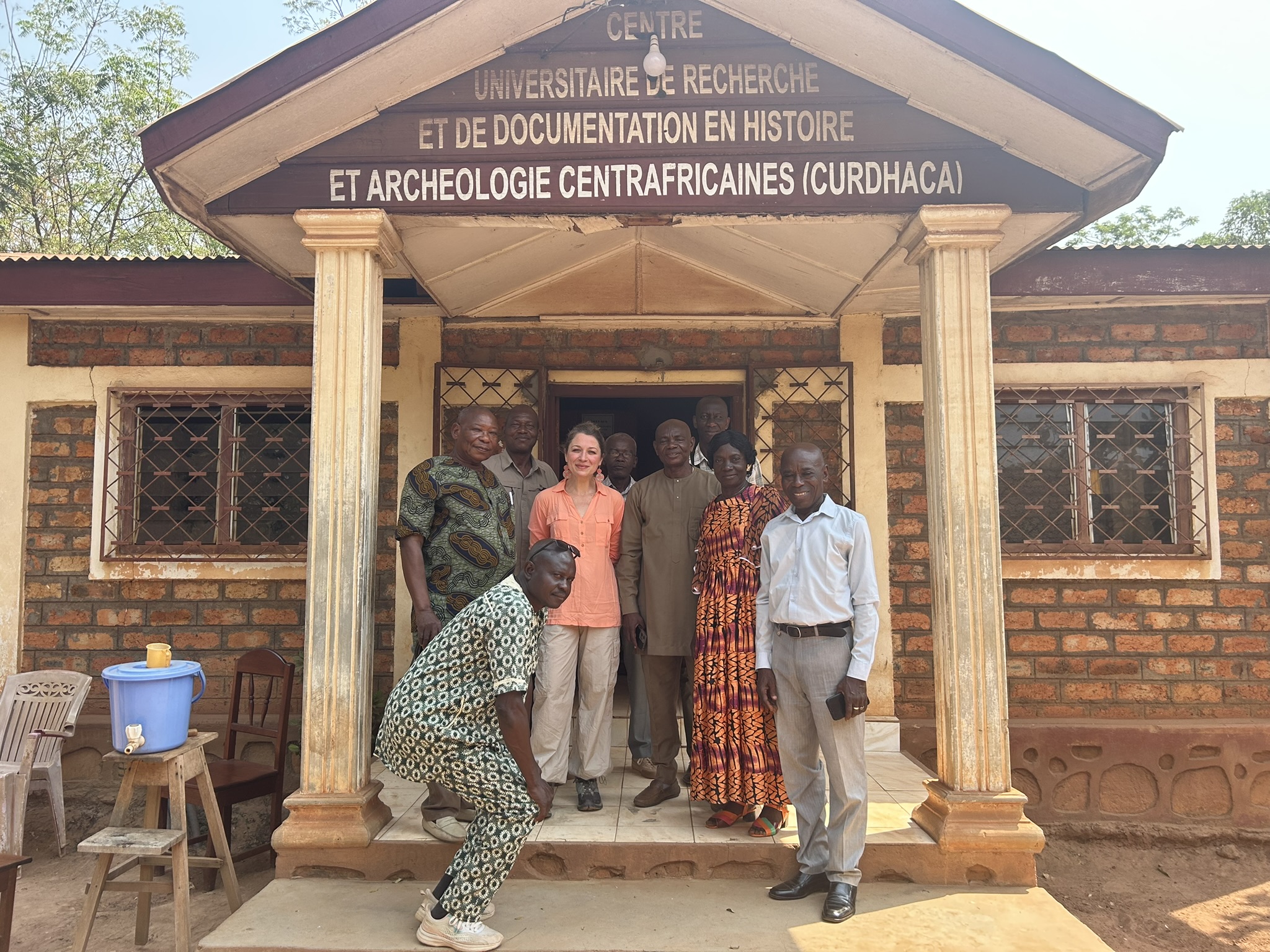
Together with Dr. Yaouili and Prof. Simiti, Sara also met with Prof. Jean Kokidé, Directeur du Cabinet of the Minister of Higher Education, Scientific Research and Technological Innovation to discuss the fate of the CURDHACA. This center used to be hosted outside of the university premises, in a building that was looted and severely damaged by rebels during the humanitarian crisis of 2013. This original building has now been fully restored and is ready to host once again the CURDHACA after more than a decade during which the center was relegated to a former, minuscule cafeteria for professors within the Bangui campus. The CongUbangi project will contribute funds for the purchase of shelves, storing units, and related furniture for an adequate display and preservation of archaeological findings of CURDHACA which could escape the plundering of 2013, as well as those newly identified during the archaeological missions of the CongUbangi project (2024-2028) in the Central African Republic.
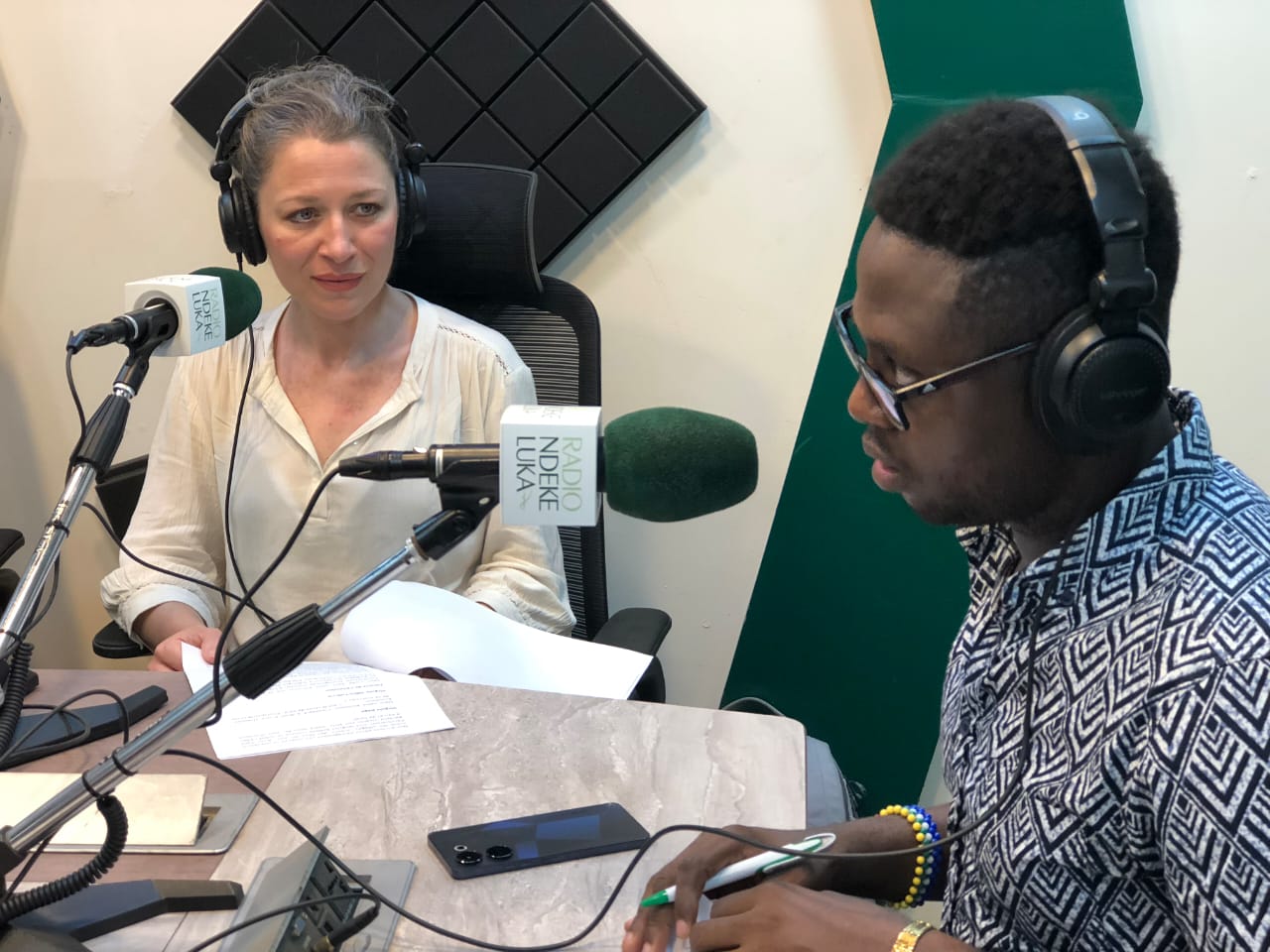
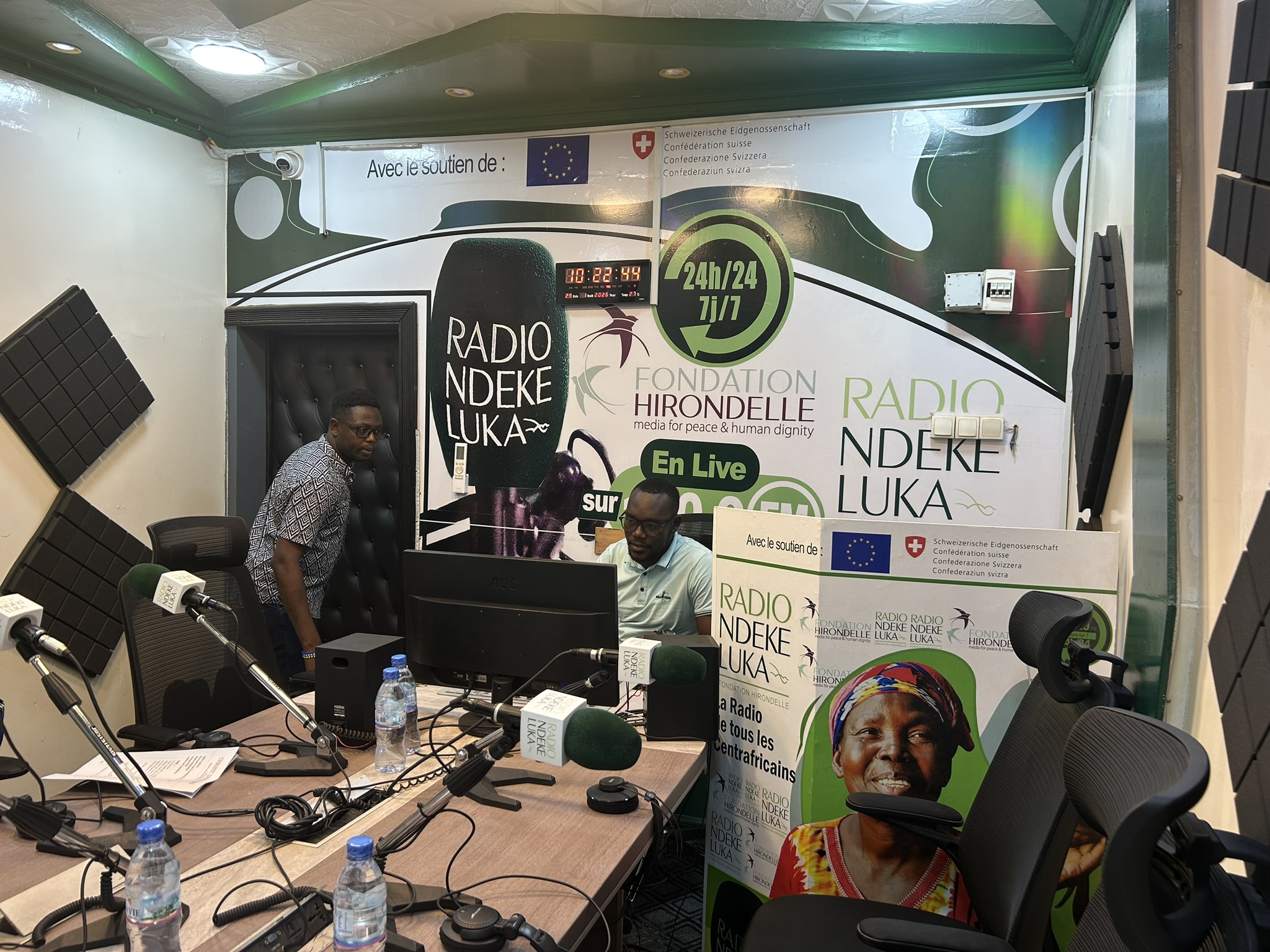
During her stay, Sara was interviewed about the CongUbangi project by Radio Ndeke Luka, https://www.radiondekeluka.org/.
The interview was broadcasted locally and online on Sunday February 1 as part of the “Magazine de Culture”, broadcast “100% Culture”, see https://www.facebook.com/story.php?story_fbid=825265973860499&id=100091313123767&http_ref=eyJ0cyI6MTc3MDMwNDQzNDAwMCwiciI6IiJ9
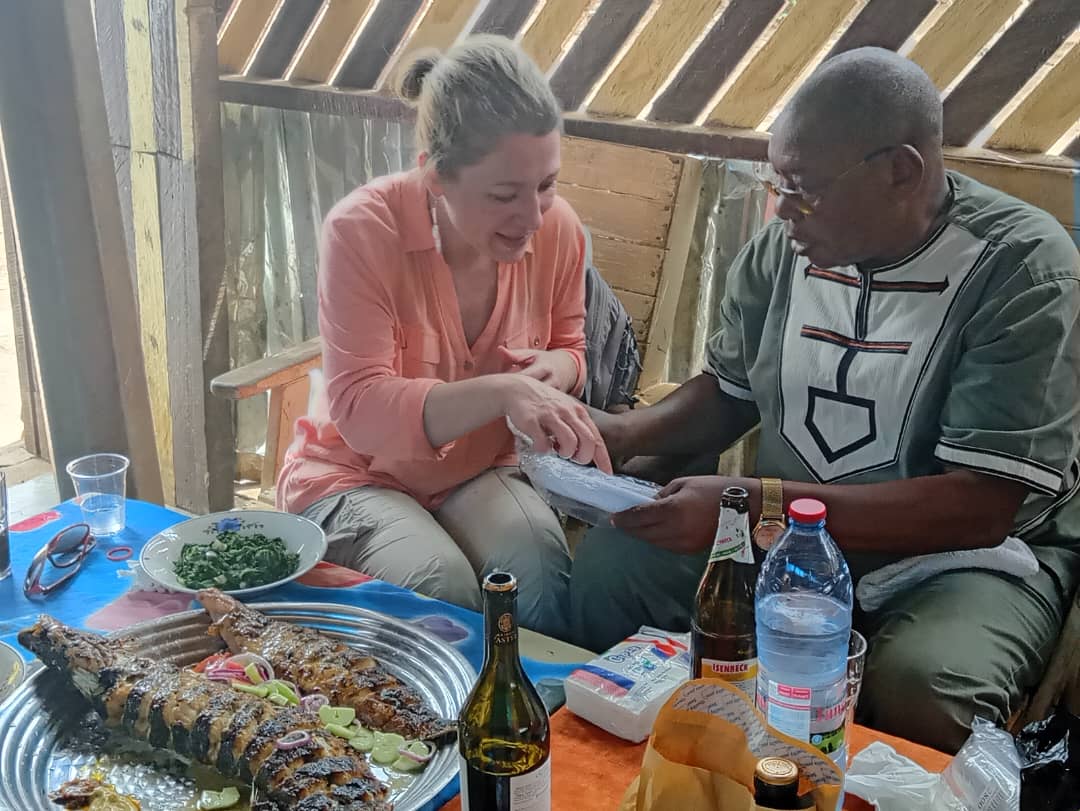
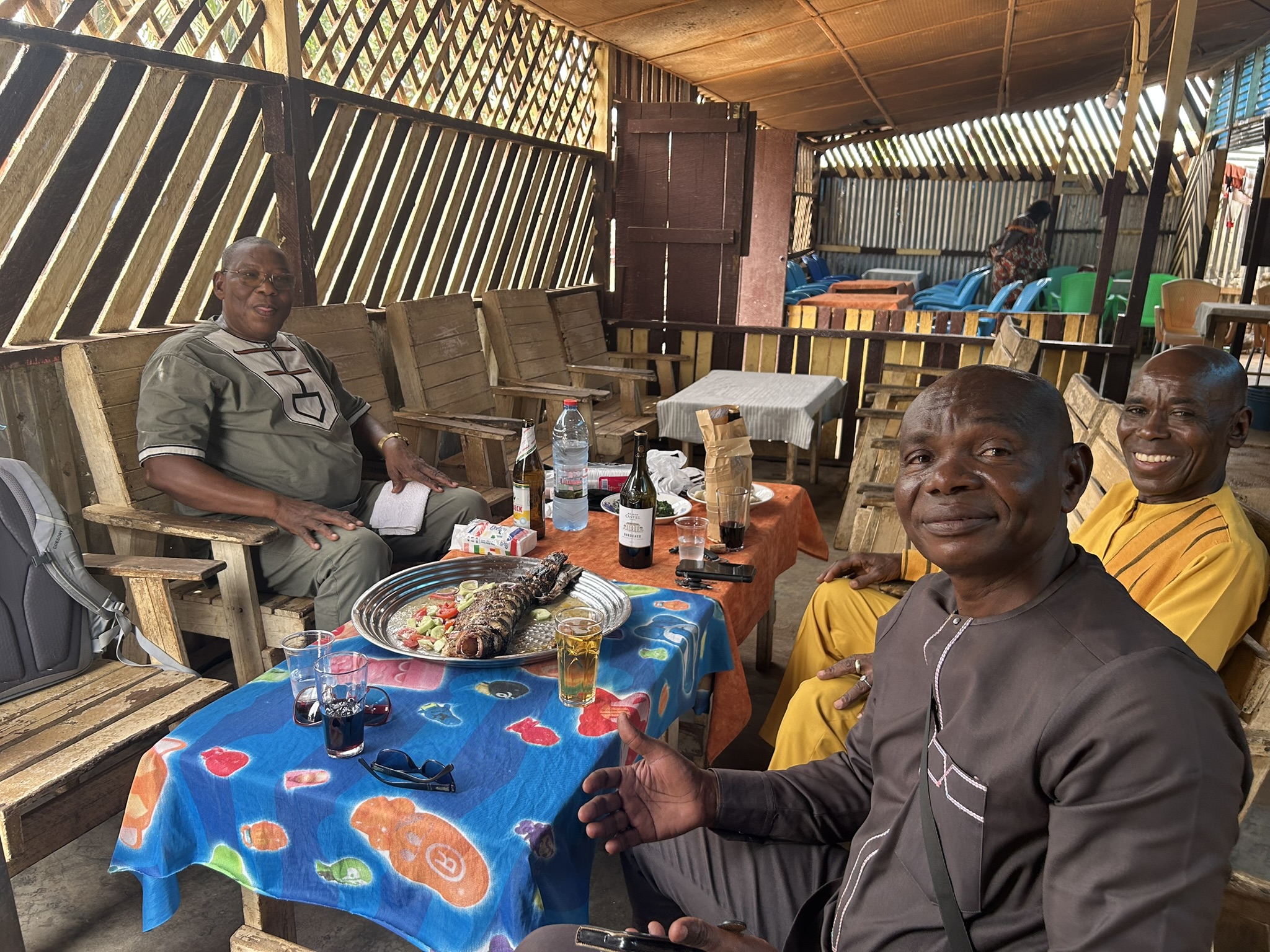
Sara deeply enjoying her welcoming meal in Bangui (with Bernard Simiti)
Sara being interviewed about the CongUbangi project at Radio Ndeke Luka
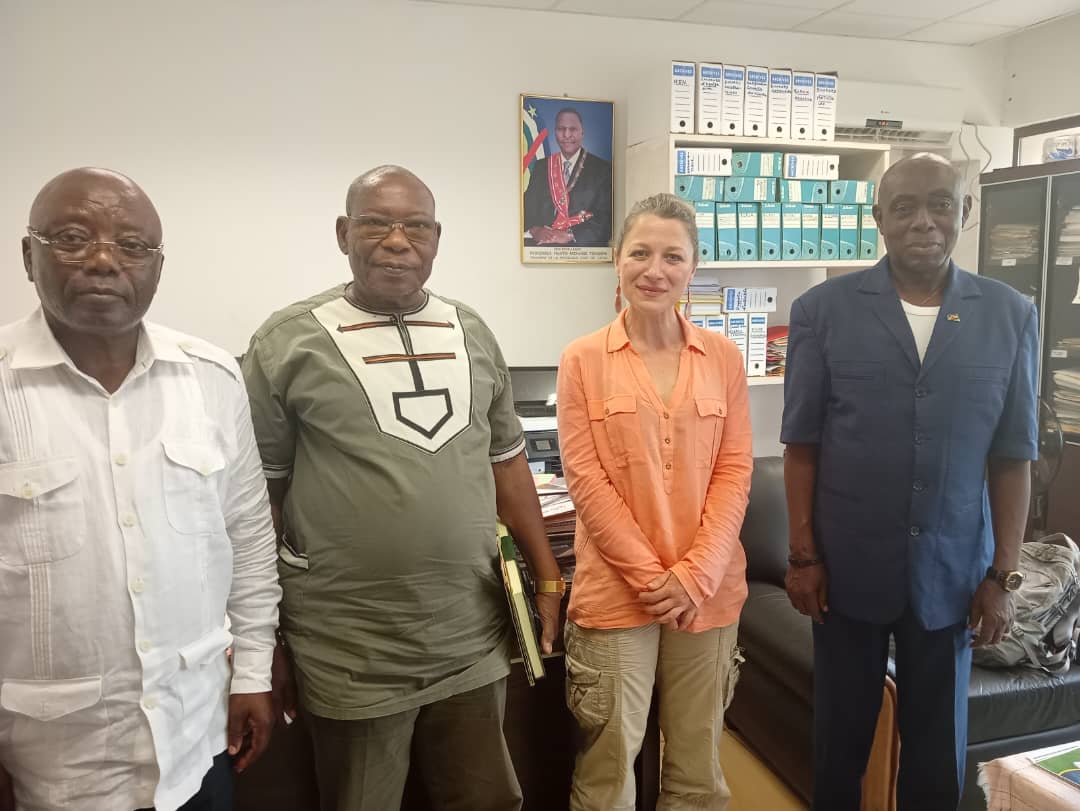
Sara With Pr. Augustin Kongatoua Kossonzo, Inspecteur Central en charge de l'enseignement public (first from left), Prof. Bernard Simiti, professeur d'histoire et archeologie (second from left), and Prof. Jean Kokidé, Directeur de Cabinet du Ministère de l'Enseignement Superieur de la Recherche Scientifique et Innovation technologique
The newly restored original CURDHACA building in Bimbo (Bangui)
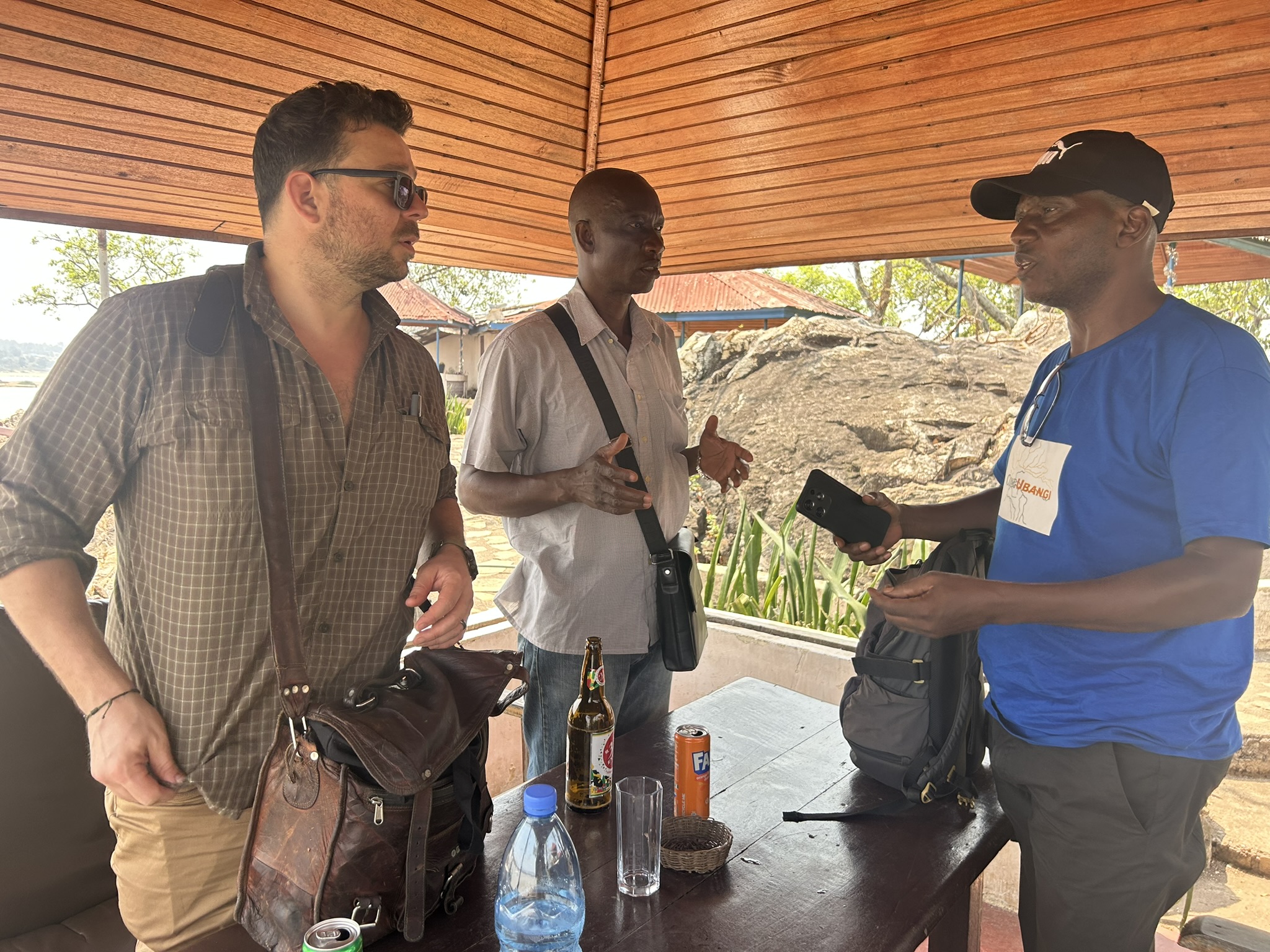
Peter Coutros, Henri Zana, and Lucien Pierre Nguerede discussing their imminent terrestrial mission in northwest CAR
Prof. Bernard Simiti (left), Dr. Emmanuel Rock Yaouili Mognaman (right front), and Xavier Mbembele (right back) and a delicious fish straight from the grill
Ndeke Luka broadcasting station in Bangui
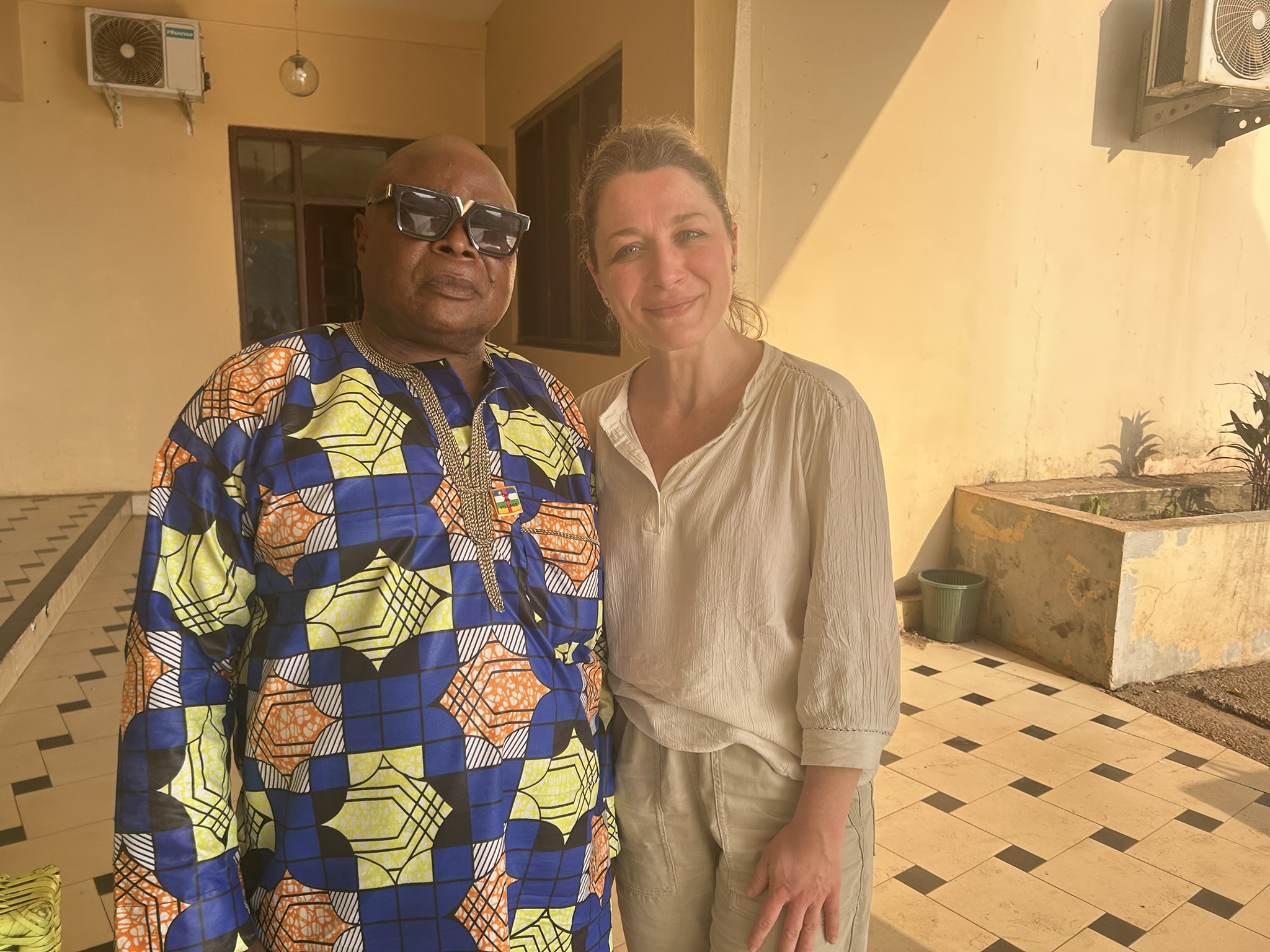
Sara with Mr. Emile Beoundé, chef de quartier and native speaker of Pande (Bantu C11)
Sara at the current CURDHACA building at the Université de Bangui
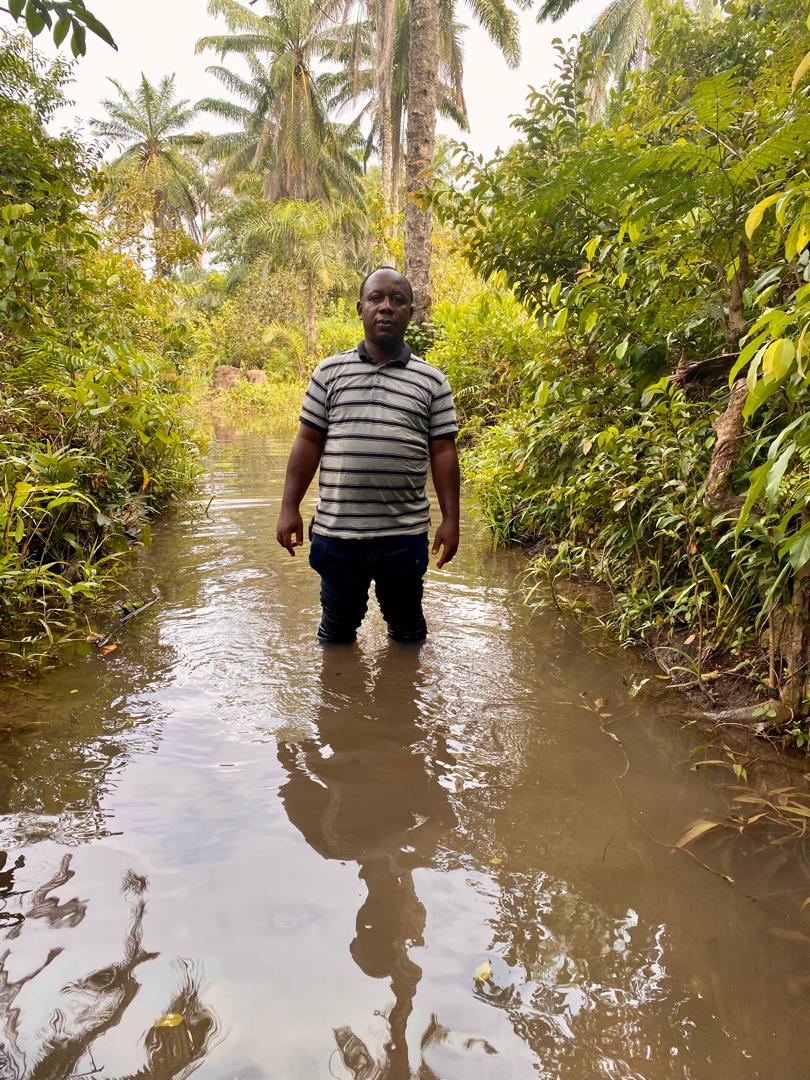
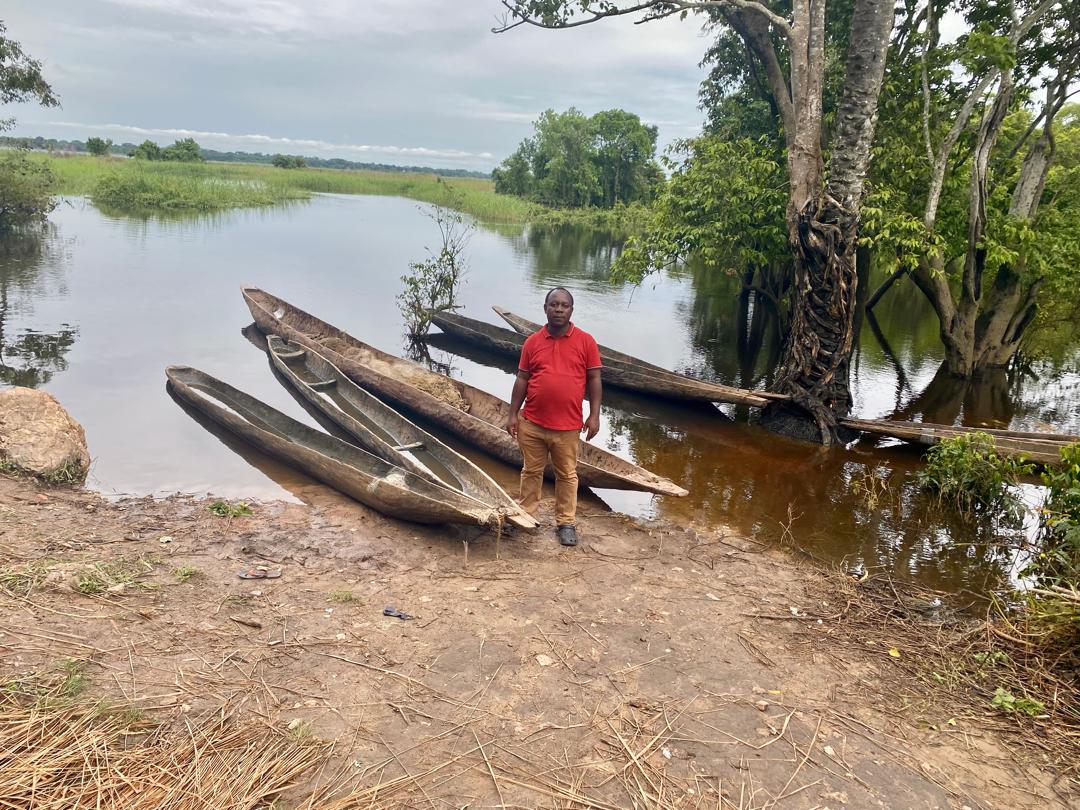
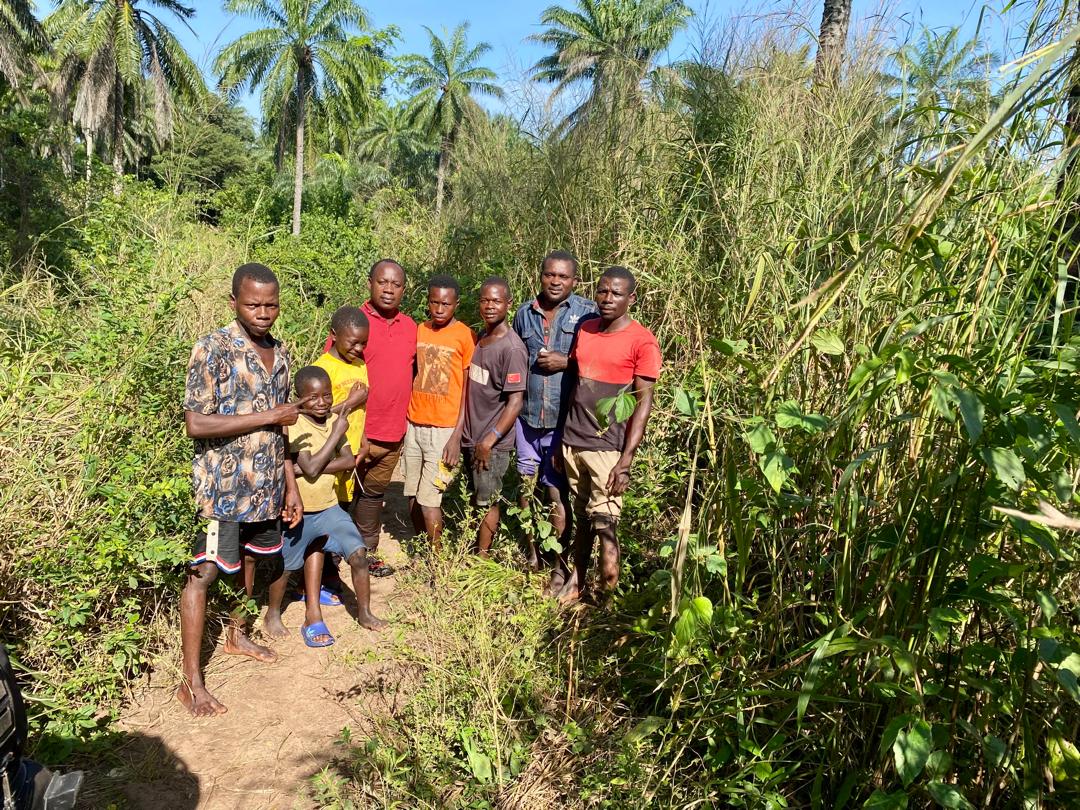
From 6 October to 7 December 2025, Paulin Baraka Bose conducted his second fieldwork mission in the DRC province of Nord Ubangi. Several languages were targeted in this mission.
Gezo [pae]: Paulin collected data from 10 Gezo villages located in the Abuzi Sector, Groupement Mongende Sud, Yakoma Territory. Gezo is a variety of Pagibete (Bantu C41). The primary focus was the noun class system of Gezo, with systematic elicitation of singular and plural forms in different syntactic environments. This work allowed Paulin to complete and verify data previously collected in July 2024 around Gbadolite (Bambo area).
Fulu [fuu]: Linguistic data on Fulu were collected in several locations, covering multiple local varieties, specifically: Zinga (groupement Bolaka), Gbamazonga (groupement Gbanziri), and several villages in groupement Fulu Mbanza and Fulu Ndubulu. This comparative data collection focused on the verbal system (aspect, tense, negation), verbal tonal morphology, and tonal behavior in nominal constructions.
Ngombe of Bosobolo [ngc]: Lexical items and data relevant to the noun class system were collected for the first time on the Ngombe spoken in Bosobolo (also known as North Ngombe), a variety never documented before. Data collection took place in groupement Ngwele and Mosweya.
Additionally, Paulin carried out genetic sampling in Gezo and Ngombe-speaking communities.
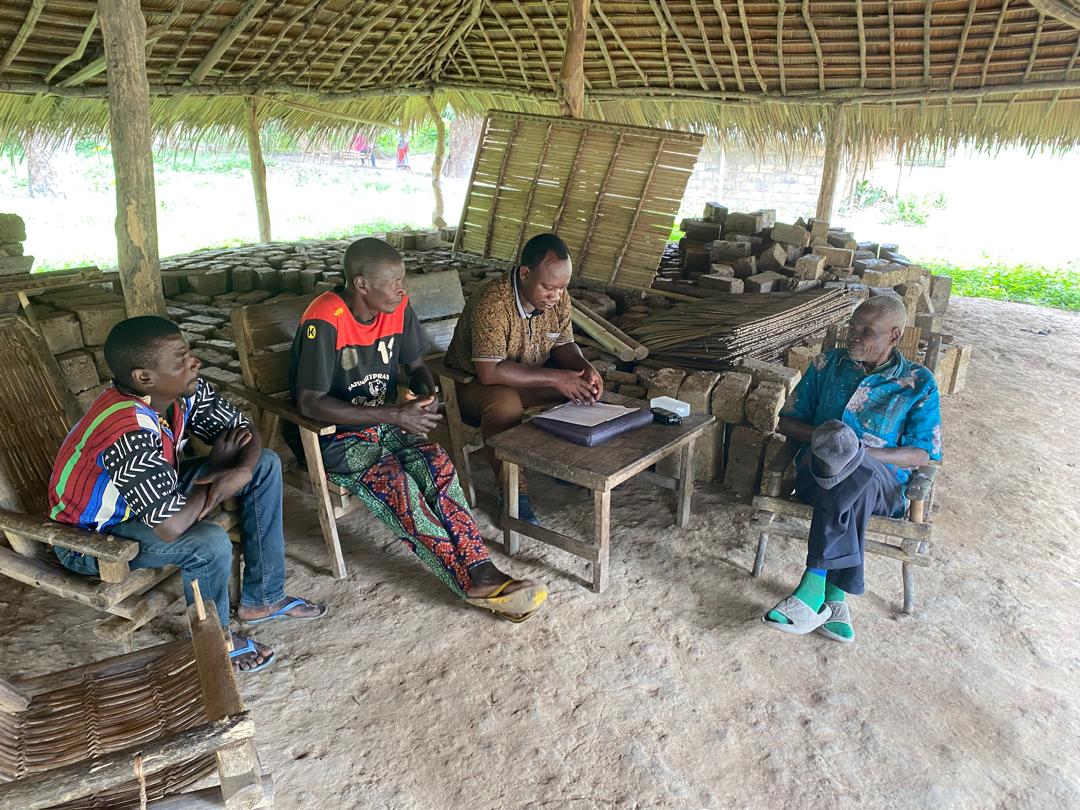
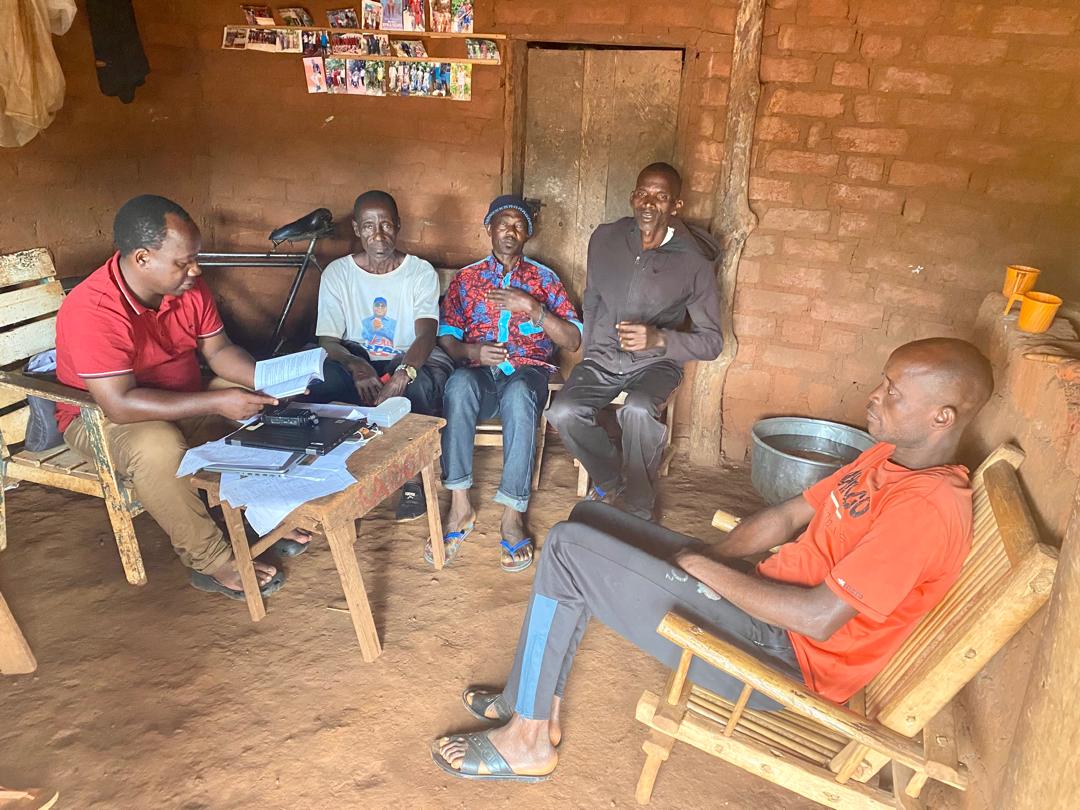
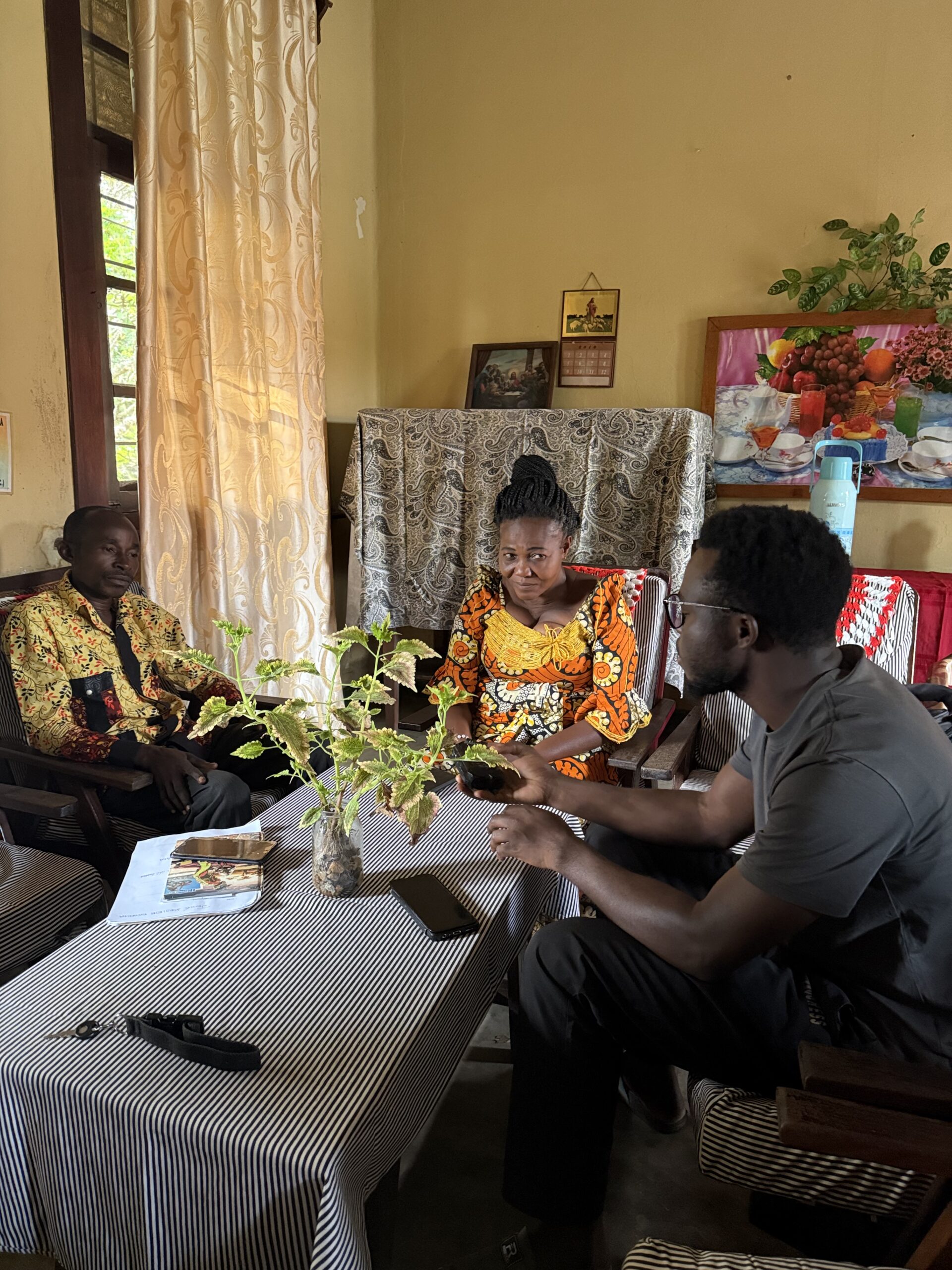
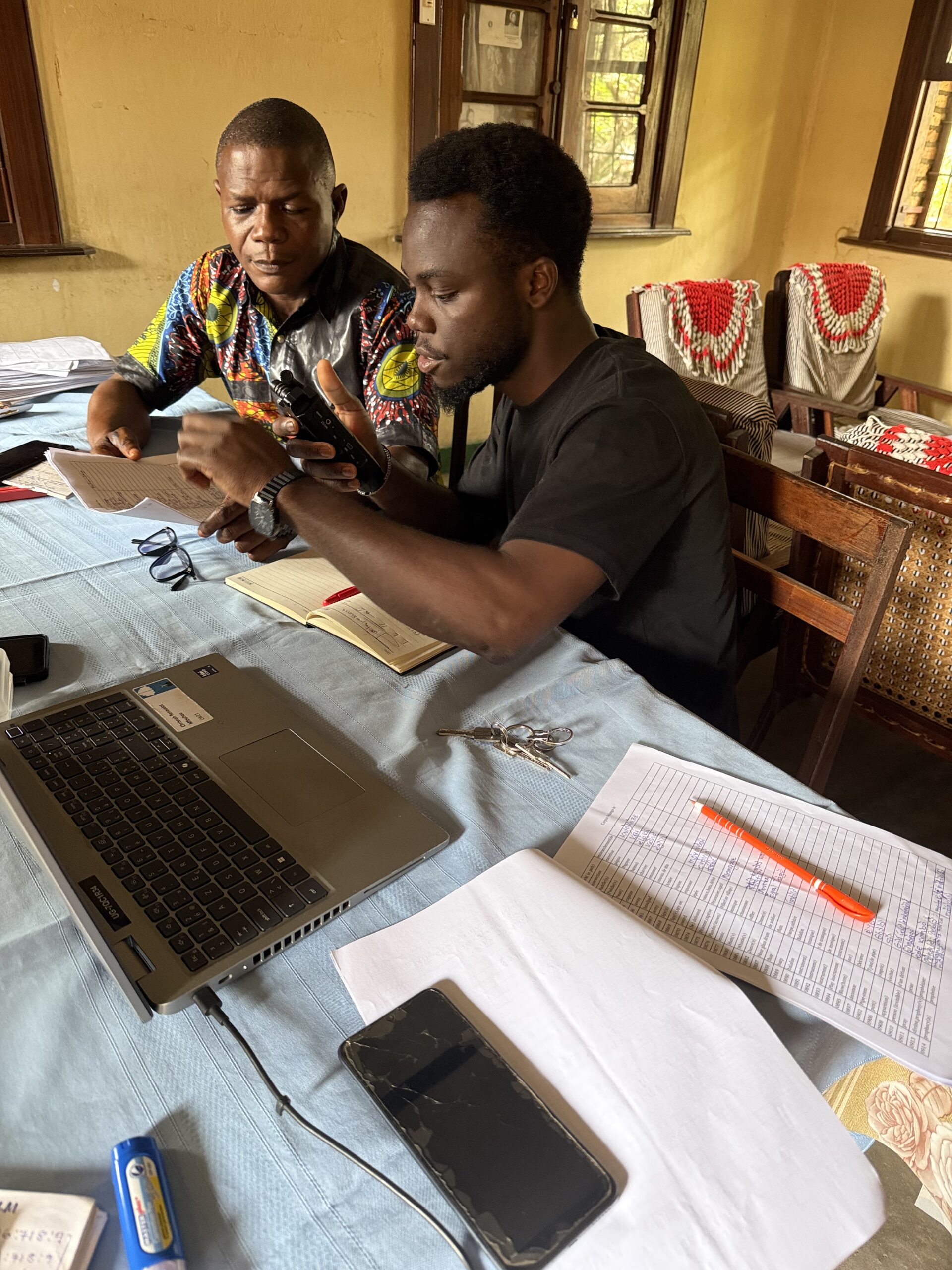
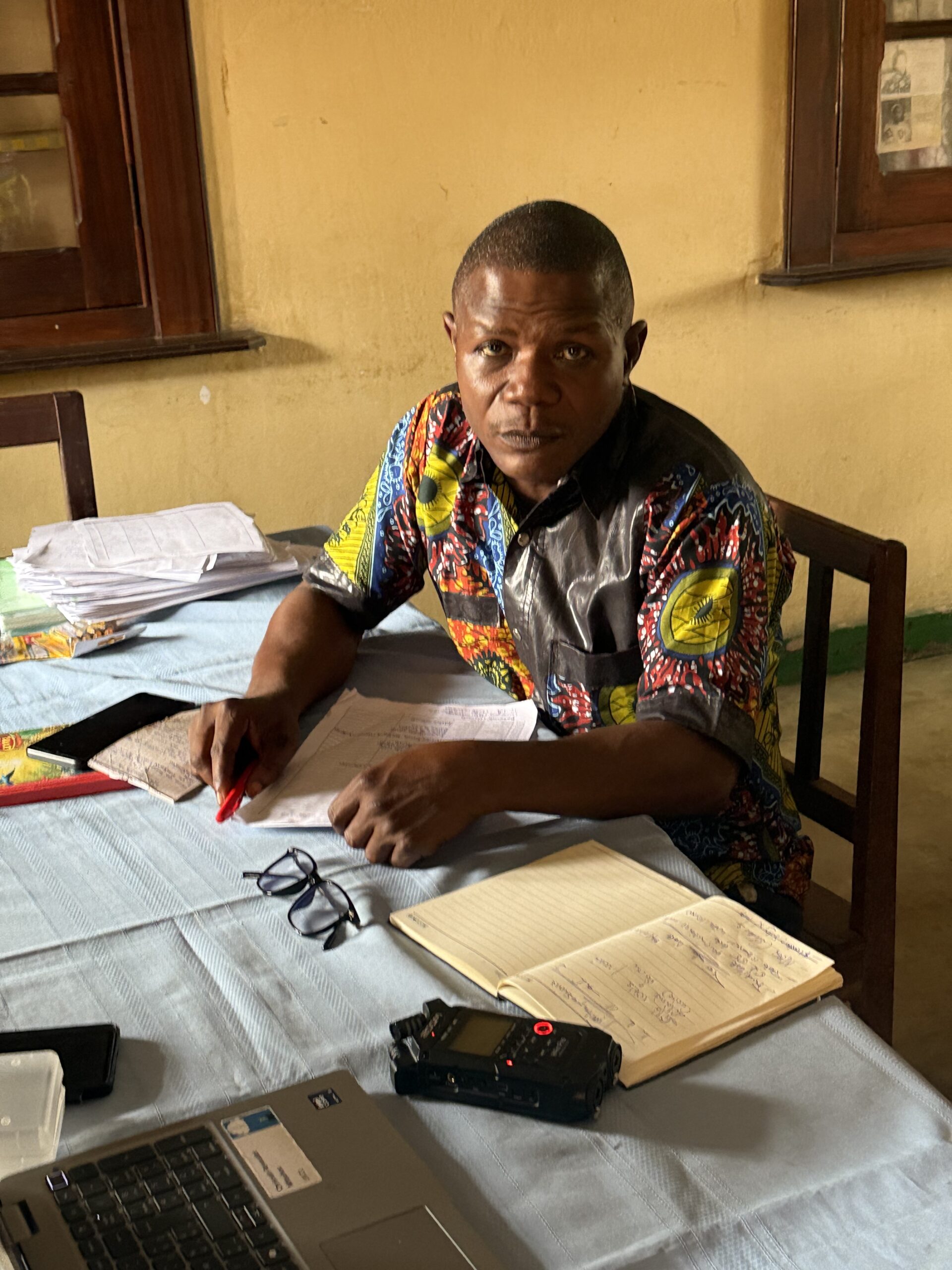
From August 23 to Oct 29, 2025, as part of his ongoing typologically informed grammar of Ndungalɛ, Chrisnah Mfouhou conducted his second fieldwork mission in Lisala and its environs. During his eight‑week stay, he addressed outstanding issues from his 2024 fieldwork concerning segmental phonology and the noun phrase. He further documented the nominal and verbal tonal systems of Ndungalɛ and investigated the structure of the verb complex through both elicitation sessions and the analysis of naturalistic texts.
During June 26-28, Paulin Baraka Bose, Koen Bostoen, Sara Pacchiarotti participated in the SocioBaGS Workshop “Macro- and micro-variation in Bantu grammatical gender systems and their sociolinguistic correlates”, funded by the Agence Nationale de la Recherche (ANR) and the Deutsche Forschungsgemeinschaft (DFG). The workshop took place at Laboratoire Parole et Language, Aix-Marseille Université, France. The title of the talk was The gender system of Gɛ́zɔ́, a poorly known variety of Pagibete (Bantu C401). This talk was based on data collected by Paulin Baraka Bose in Nord Ubangi in 2024.
During the first half of 2025, Lucien Pierre Nguerede conducted several fieldwork missions to collect data on the (ethno)archaeology of iron-producing communities located to the southwest of the Central African Republic. More specifically, Lucien collected ethnographic and archaeological data in the prefectures of Lobaye (Mbaiki), Sangha Mbaéré (Nola), Nana-Mambéré (Bouar), and Basse-Kotto (Alindao). One of the main outcomes of this fieldwork season was the identification of an active aluminum production site.
Additionally, Lucien collected genetic data on Banda populations never sampled before.
During the first half of 2025, Henri Zana conducted several fieldwork missions to collect data on the (ethno)archaeology of pottery-producing communities located in the southwest of the Central African Republic. More specifically, Henri Zana collected ethnographic and archaeological data in the prefectures of Lobaye (Mbaïki), Sangha Mbaéré (Nola), and Mambéré Kadéi (Bania). Besides collecting data on the chaînes operatoires of potters belonging to different Ubangi subgroups, the mission led to the identification of 12 sites, 7 of which were excavated. The mission also involved genetic data collection on Ubangi and Bantu-speaking populations never sampled before.
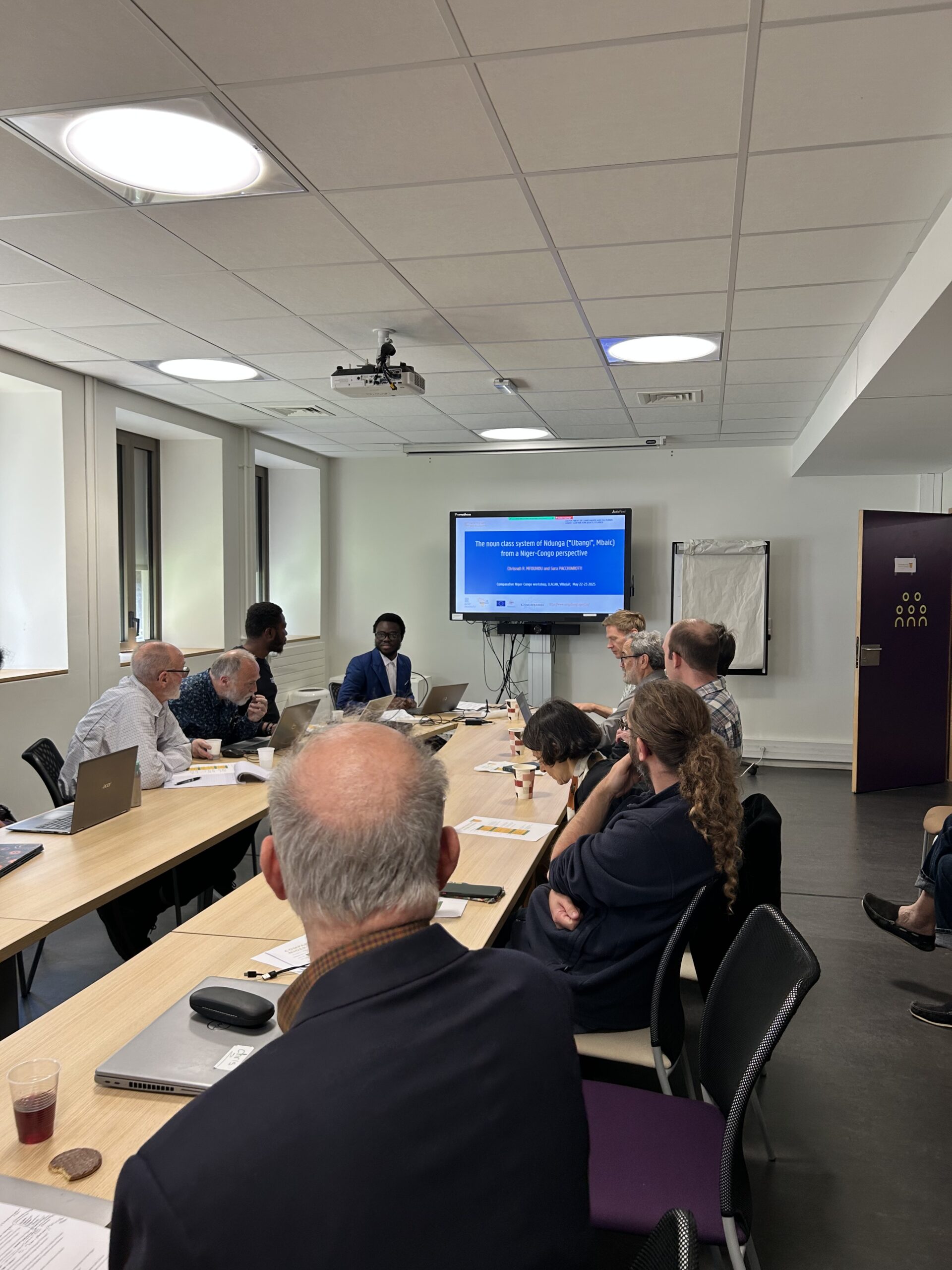
On May 22, 2025, Chrisnah R. Mfouhou and Sara Pacchiarotti presented a talk titled “The noun class system of Ndunga (“Ubangi”, Mbaic) from a Niger-Congo perspective” at the 2025 Comparative Niger-Congo workshop which took place at LLACAN, CNRS (Villejuif, France). The program of the workshop can be found here.
The theme of PɸF 2025 was Sound Patterns and Human History. The workshop brought together scholars whose research examines the connection between human history, events, and migration (as evidenced from oral history, archeology, genetics, etc.) and large-scale areal zones of sound system convergence.
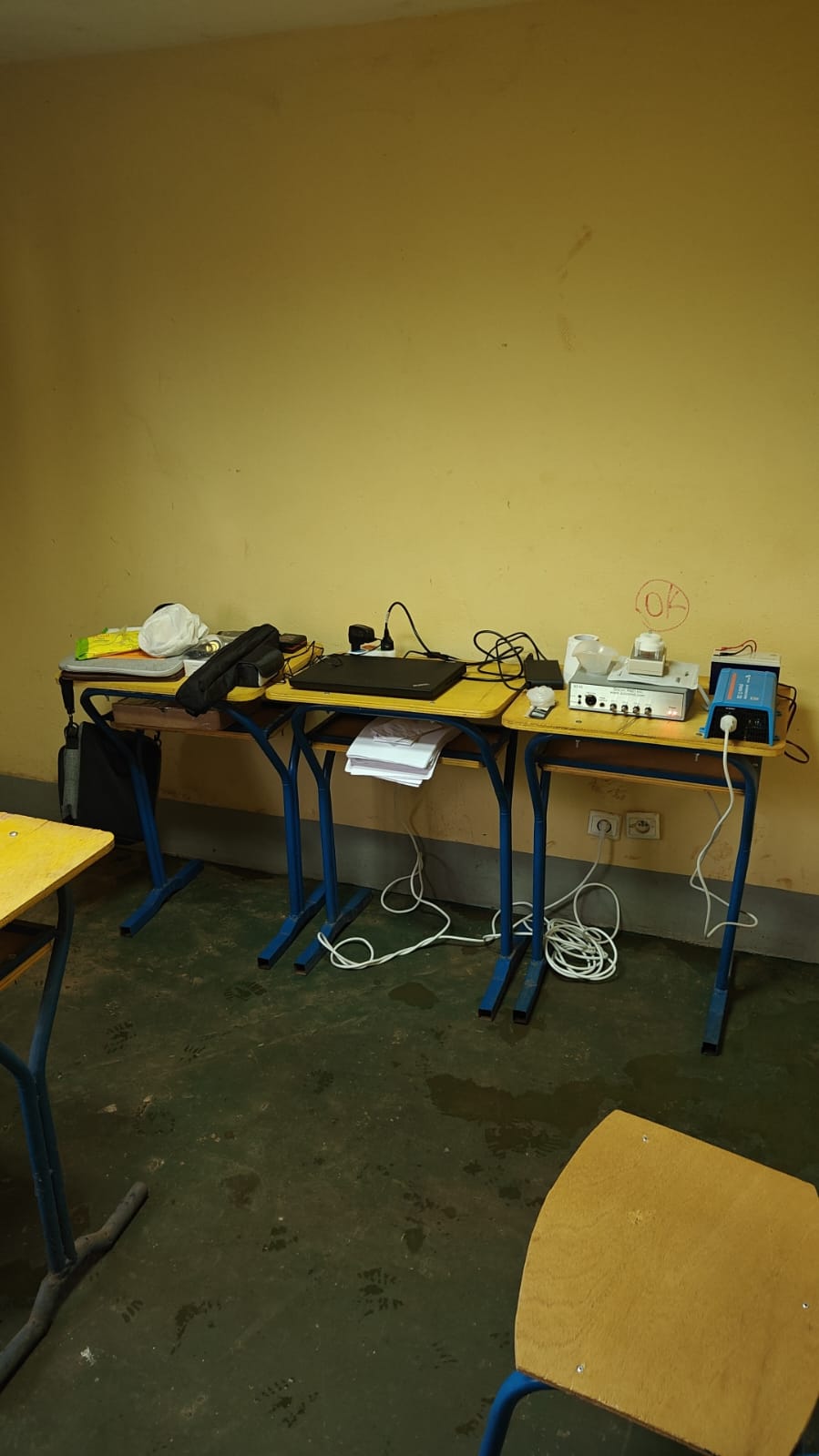
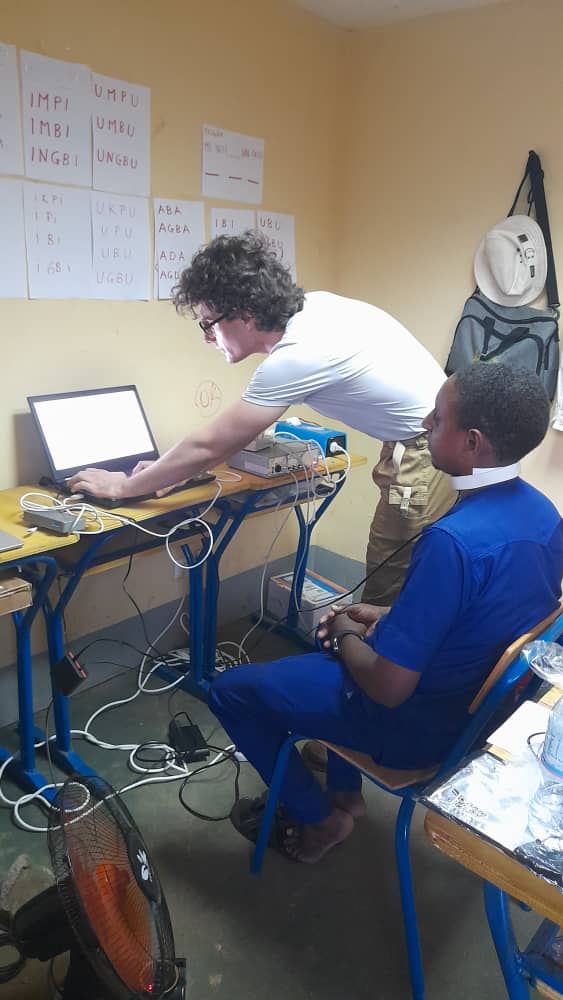
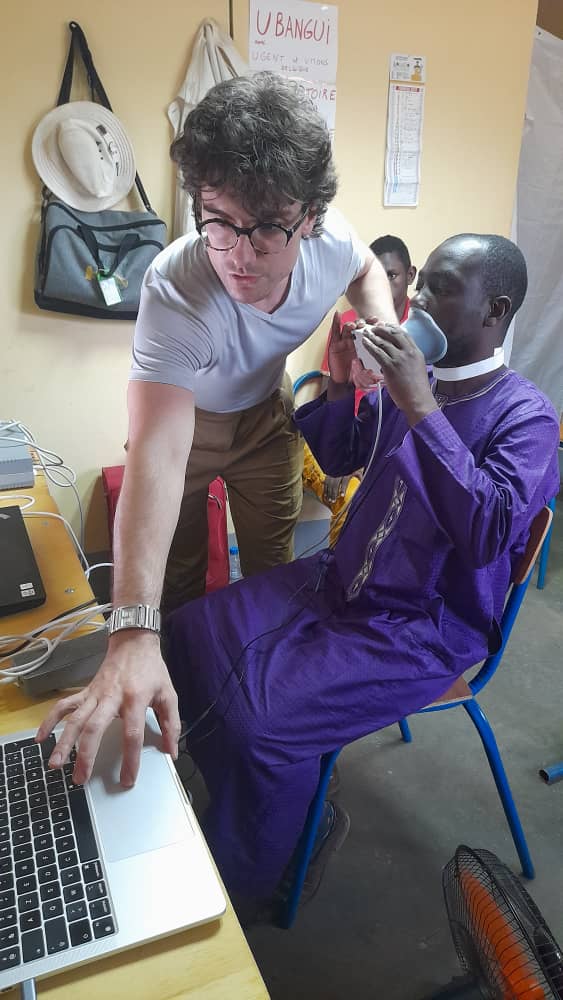
From January 29 to March 30, Dr. Lorenzo Maselli, a doctor-assistant in the African Studies department and a BOF-funded postdoctoral fellow associated with the CongUbangi project, will conduct aerodynamic and articulatory research on labial-velar and implosive consonants in Bantu, Ubangi, other Niger-Congo, and Central Sudanic languages in Bangui, Central African Republic. During the first two weeks, Dr. Maselli was accompanied by Prof. Dr. Veronique Delvaux from the Université de Mons (UMONS). Together, they established a temporary phonetics lab at the Faculty of Medicine at the University of Bangui, equipped with a state-of-the-art pneumotachograph, kindly loaned by UMONS Institut Langage, and a brand-new electroglottograph purchased by Dr. Maselli specifically for this mission. The entire research mission was financially supported by the CongUbangi project.
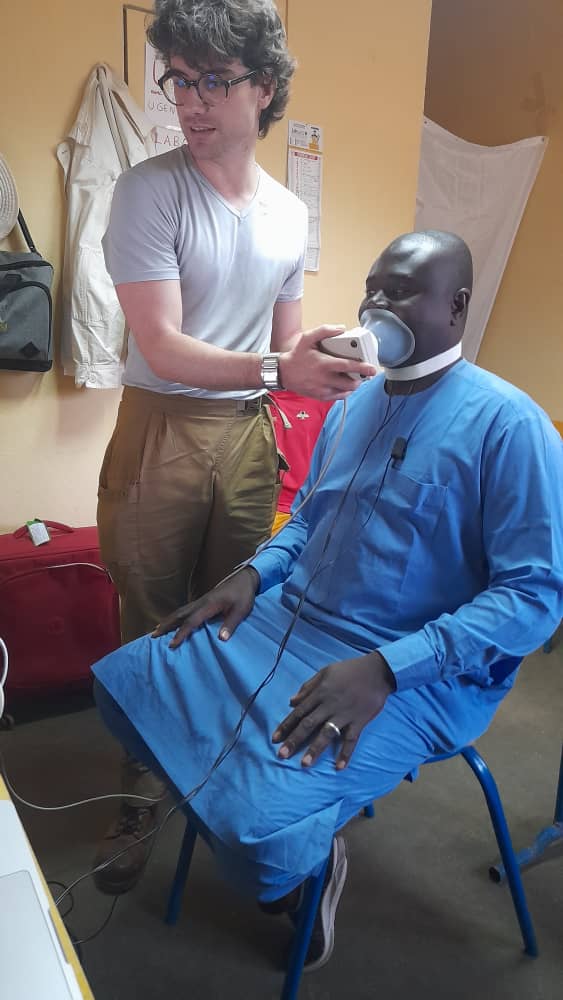
The pneumotachograph enables the collection of airflow and pressure data, while the electroglottograph monitors vocal fold vibrations. These measurements can be seamlessly paired with acoustic (spectral and waveform) traces to provide direct evidence of speech articulation. This approach allows for a comprehensive investigation of egressive and ingressive consonantal sounds, which is particularly crucial for studying implosives, as no purely acoustic cue can be considered entirely reliable for these sounds.
To date, Dr. Maselli has collected aerodynamic data from over 15 languages, with an average of five speakers per language. This project represents the most extensive phonetic documentation effort in Central Africa since the early 1960s. In addition to this research, Dr. Maselli has been teaching phonetics modules at Bangui’s Institut de Linguistique Appliquée and has established valuable collaborations with local SIL and UNESCO offices. All parties involved have expressed significant interest in the research.
North of Bangui, the route to Boali follows a network of lakes and rivers that extend into Chad
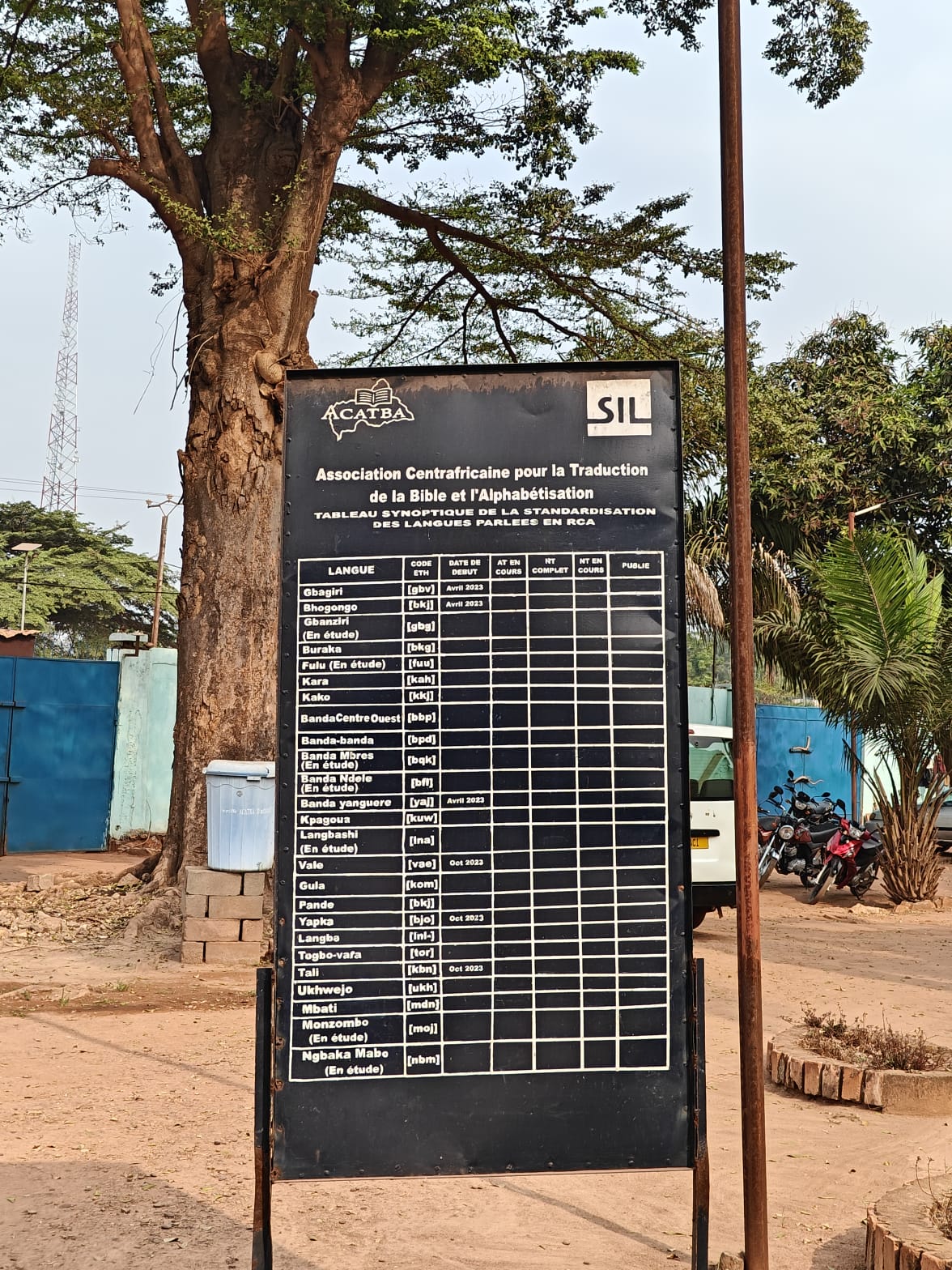
SIL works tirelessly to document CAR languages and provide reliable Bible translations to the communities
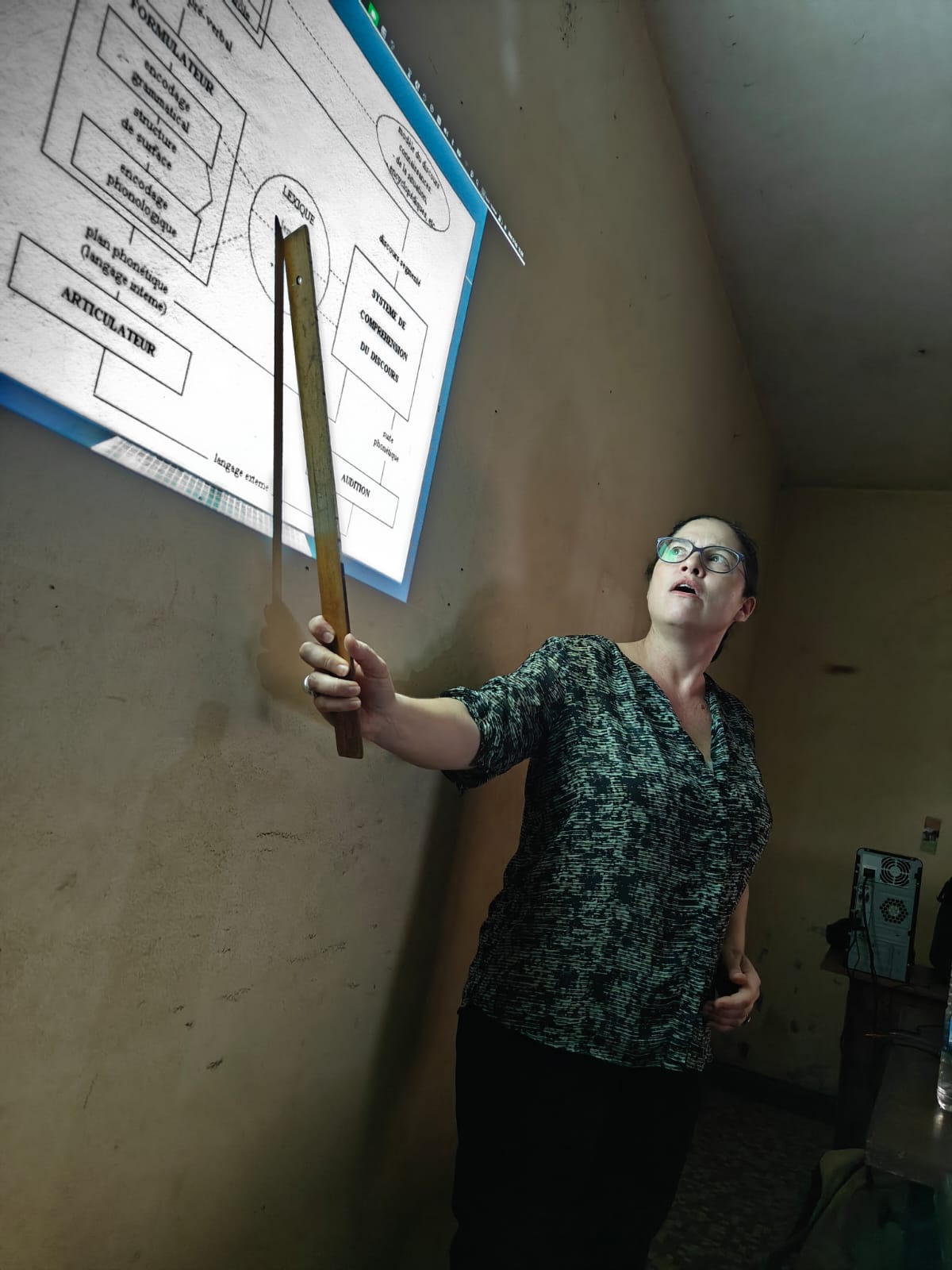
Prof. Dr. Delvaux teaching a module on speech therapy at the Institut de Linguistique Appliquée
Prof. Dr. Delvaux and Dr. Maselli set up a lab at Université de Bangui on day one of their research
Pneumotachographic traces couple airflow and oral pressure
They are essential for the study of glottalized sounds
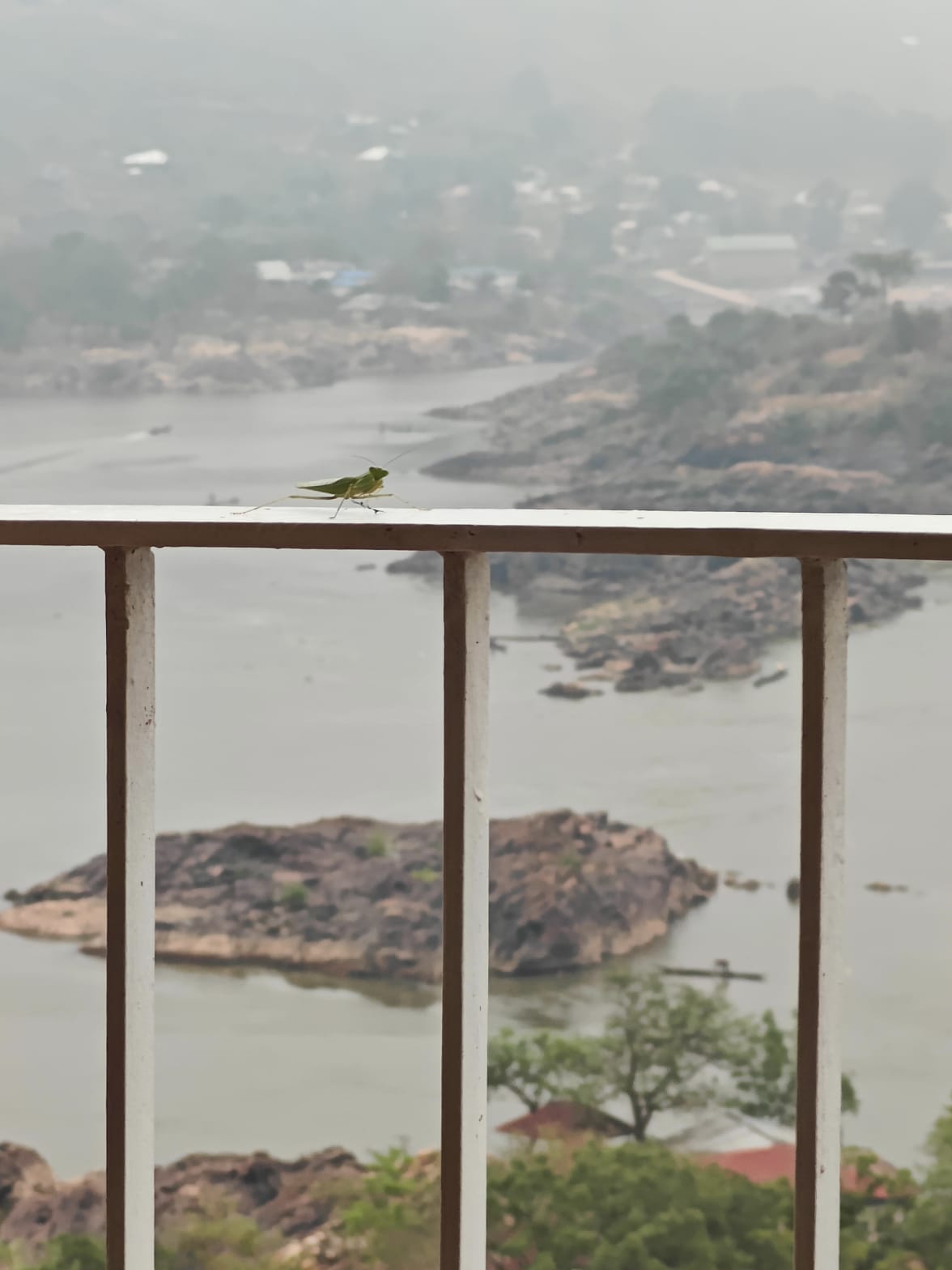
A lonely praying mantis looks in
You can see the Ubangi river flowing by the city and, past it, the DRC
Electroglottographic evidence allows for high-resolution tracking of vocal fold vibrations
Data collection on Fulbhe (Adamawa Fulfulde)
Dr. Maselli with the Fulani Women's Circle
The Fulani Women's Circle promotes literacy and combats child marriage in all provinces of CAR, Dr. Maselli collected data on their variety of Fulbhe and had the privilege to interview their leaders